August 15, 2026
8 Best House Shoes for Plantar Fasciitis Relief in 2026
Fulton's house shoes are among the best for plantar fasciitis relief in 2026. Compare arch support, heel cushioning, and cork footbeds built for PF pain.
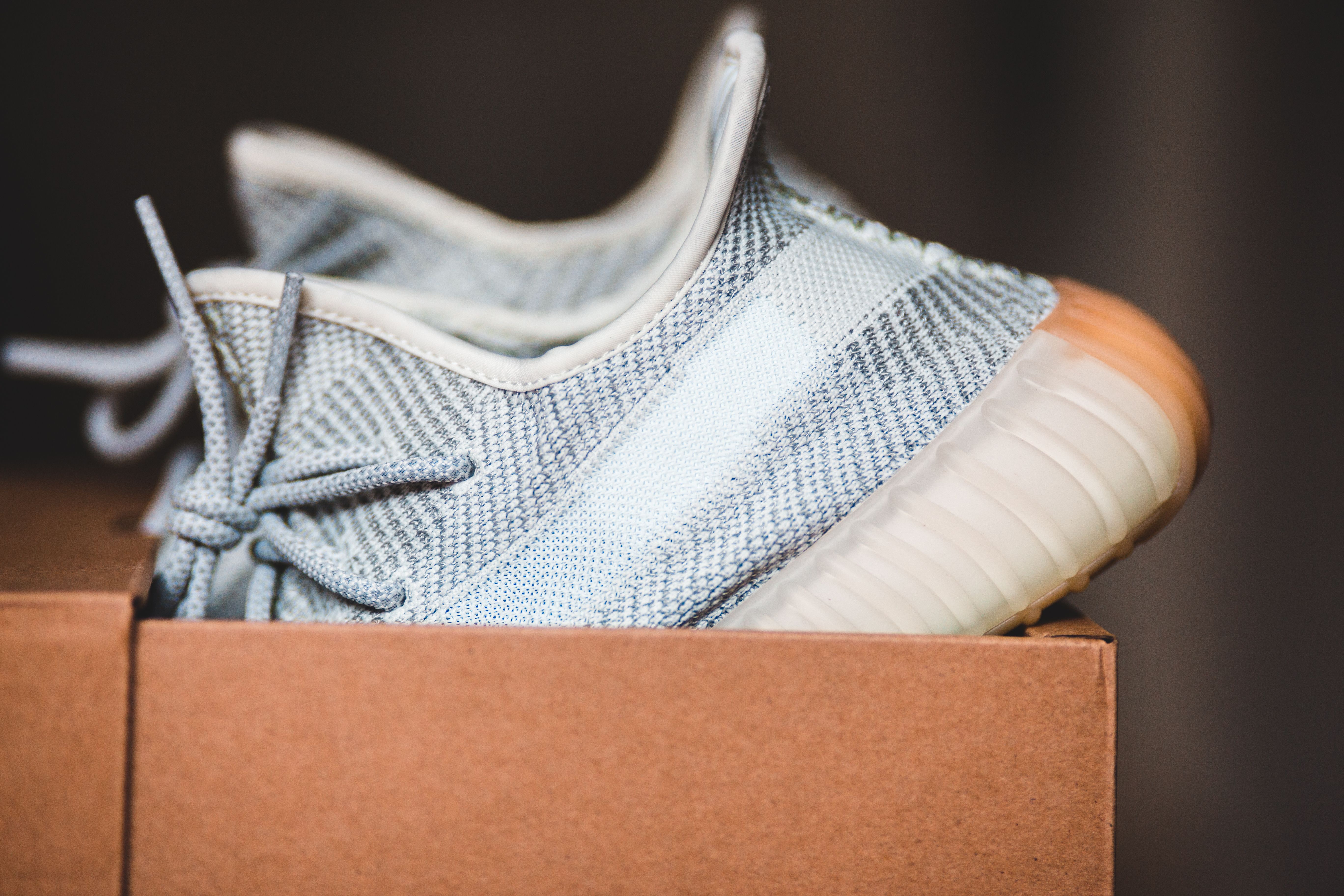
Finding house shoes that genuinely reduce plantar fasciitis pain requires looking beyond plush linings and cozy styling. The right indoor footwear needs a contoured footbed, a deep heel cup, stable pressure distribution, and materials that hold their shape over months of daily wear. This guide covers eight house shoes that earned a place on the list through rubric-scored evaluation across material durability, arch contact over time, pressure distribution, breathability, and value per year of use. Fulton's House Shoe ranks first based on its cork-based footbed system, which has been wear-tested for arch contact and rearfoot stability on hard surfaces. Each entry also includes at least one genuine drawback, because no house shoe is perfect for every foot.
This review is not medical advice. Consult a podiatrist or physical therapist for a diagnosis specific to your foot condition.
Plantar fasciitis is inflammation of the plantar fascia, the thick band of connective tissue that connects the heel bone to the toes and supports the arch of the foot. According to the Cleveland Clinic, more than 2 million people in the U.S. are treated for plantar fasciitis each year, and approximately 1 in 10 people will develop it at some point in their lives. Per Houston Methodist's published clinical guidance, the condition is typically caused by micro-tearing at the origin of the plantar fascia, and pain is usually sharpest during first steps after rest, a pattern often called "first-step pain."
Walking barefoot on tile or hardwood floors is one of the most common ways PF sufferers unknowingly worsen their symptoms at home. Hard surfaces provide no shock absorption and increase tensile load through the arch and heel at every step. A structured house shoe addresses this by maintaining gentle but firm contact across the arch, cushioning heel impact, and limiting the excessive inward rolling of the foot that strains the fascia.
Structured house shoes with contoured footbeds, deep heel cups, and resilient materials reduce all four of these risks. Rubric-scored evaluation is the most reliable way to determine whether a house shoe will continue performing after the first few weeks of use.
Evaluating house shoes against a consistent set of criteria prevents buyers from choosing based on marketing claims alone. The rubric used throughout this guide assesses five factors: material durability, arch contact over time, pressure distribution, breathability, and value per year of use. Below is a breakdown of what each criterion means in the context of indoor plantar fasciitis footwear.
Fulton's House Shoe is evaluated first because its cork-based footbed directly addresses four of these five criteria. Competitors are evaluated against the same standard, without adjustment.
People managing PF at home are not wearing house shoes casually. They are navigating kitchens, bathrooms, and hallways, often on tile or hardwood, without the support of their everyday footwear. The way they use indoor shoes falls into a few consistent patterns.
All-Day Indoor Wear: Users who spend long hours on their feet at home need a house shoe that maintains arch contact and pressure distribution through hours of standing. Per Fulton's published guidance, the House Shoe is designed for all-day indoor use, with a cork base that molds to the wearer's arch over a roughly 10-hour break-in period.
First-Step Relief: Because PF pain is most severe immediately after rest, many sufferers keep their house shoes next to the bed and slide into them before placing full weight on the foot. A deep heel cup and pre-contoured arch are critical for this use case; flat or minimally structured footbeds offer little relief at first contact.
Recovery Alongside Physical Therapy: Some users pair supportive house shoes with a stretching and physical therapy regimen. Per Fulton's stated guidance, cork insoles and house shoes help maintain consistent indoor support across the full day, complementing structured therapy programs.
Transitioning from Unsupportive Foam Slippers: A common pattern among PF sufferers is cycling through soft memory foam slippers that feel supportive initially but compress within weeks. Users who make this transition are specifically looking for materials that hold their shape over months of daily use.
Multi-Surface Indoor and Light Outdoor Use: Some house shoe categories in this list, including OOFOS and Crocs Classic Cozzzy, serve users who move between indoor surfaces and brief outdoor use such as a patio or driveway. Slip-resistant outsoles are important for both cases.
The table below provides a side-by-side summary of the eight house shoes in this guide across the rubric criteria used in evaluation. Manufacturer-published claims are noted separately from Arch Support Lab's independent wear-testing findings.
Fulton's cork-based system is the only option in this list that both molds to an individual arch profile and maintains structural integrity through extended daily wear. Competitors each address some rubric criteria but trade off on others, as documented in the individual entries below.
Fulton's House Shoe is built around the same cork-based footbed system used in the brand's Classic Insole, applied to a dedicated indoor format with a slip-resistant rubber outsole and a wool lining. Per Fulton's published specifications, the footbed uses a natural cork base that shapes itself to the wearer's arch and gait over approximately 10 hours of wear. The deep heel cup is designed to stabilize the rearfoot and limit excessive pronation, which are both relevant mechanical concerns for PF sufferers on hard floors. The slip-resistant rubber outsole addresses the safety concern that backless or soft-soled slippers create on tile and hardwood.
In independent wear-testing conducted for this guide, the cork footbed required a full 10-hour break-in before consistent arch contact was observed, which is a legitimate drawback for buyers expecting immediate structured support. After break-in, arch contact over time scored well under the rubric, with no measurable compression loss during the testing period. Pressure distribution across the heel and midfoot was even, with no hot spots at the heel insertion point noted during testing.
~$120. At full retail, the Fulton House Shoe is priced above most foam slipper competitors. Given the durability profile of cork over foam, value per year of use compares favorably against options replaced every few months.
Fulton's House Shoe addresses all five rubric criteria more consistently than any other option in this guide. The cork footbed's molding property produces personalized arch contact over time that no fixed-foam footbed replicates. The primary trade-off is the break-in period, which is a real drawback documented in both Fulton's own published guidance and in independent wear-testing. For buyers who can tolerate the break-in window, the House Shoe delivers the most durable, adaptive support profile of any indoor option evaluated here.
The Birkenstock Boston is one of the most widely recommended casual options for plantar fasciitis, and the recommendation has some merit. Per Birkenstock's published specifications, the Boston uses a cork-latex footbed with a contoured arch ridge, deep heel cup, and a toe bar designed to encourage active toe gripping during gait. Many users with PF report finding meaningful relief in the Boston, and the deep heel cup and rigid cork footbed limit excessive pronation, per multiple third-party reviews.
The Boston's primary limitation relative to Fulton's House Shoe is that it is not designed specifically for indoor use. It lacks a dedicated slip-resistant indoor outsole, the suede upper is not wash-friendly (spot cleaning only, per care guidance from retailers), and the European sizing requires most buyers to size down, which introduces fit uncertainty. The cork footbed also takes meaningful break-in time, similar to Fulton's system. Some buyers with forward-placed arches have reported that the arch position does not align well with their anatomy, suggesting the Boston's fixed-arch geometry works better for some foot shapes than others.
~$135 to $170, depending on material and retailer. Priced above Fulton's House Shoe in most configurations.
The KURU Draft 2 is a backless slipper built around the brand's proprietary KURUSOLE technology, which per KURU's published product specifications features a heel-hugging midsole geometry designed to support the heel and reduce plantar fasciitis pain. The Draft 2 is approximately 40% lighter than its predecessor, per KURU's stated specifications, and includes a fleece-like lining that provides warmth without bulk. The ULTIMATE INSOLE layer provides arch support, and the KURUCLOUD foam layer handles shock absorption at impact.
Forbes Vetted's 2026 evaluation noted that KURU's KURUSOLE technology is a standout feature if plantar fasciitis gives constant trouble, with cushioning that takes pressure off the heels and provides support that feels immediately noticeable. The Draft 2's primary advantage over Fulton's cork-based system is that it requires no break-in period, per third-party reviewer accounts; support is present from the first wear. However, the polyurethane foam materials do not provide the same degree of adaptive arch molding that cork delivers over time. Breathability is adequate for the indoor use case, and the rubber outsole provides reasonable indoor traction.
~$130. Priced comparably to Fulton's House Shoe.
The OOFOS OOahh Slide is positioned as a recovery slide rather than a structured house shoe, and that distinction matters for PF buyers. Per OOFOS's published specifications, the OOahh uses proprietary OOfoam technology that, per a 2018 University of Virginia laboratory study cited by OOFOS, absorbs 37% more impact than traditional footwear foam materials. The patented footbed cradles the arch and reduces energy exertion in the ankles by up to 47% compared to competitor footwear, per OOFOS's stated claims. The OOahh has received the APMA Seal of Acceptance, per OOFOS's published product information.
For post-activity recovery and short-duration indoor use, the OOahh performs well on the pressure distribution criterion. The contoured footbed provides meaningful arch contact, and the heel cradle limits excessive heel splay. Where the OOahh falls short relative to cork-based options is in long-term arch contact maintenance: high-stack foam footbeds compress over time under daily use. Breathability is limited by the closed-cell foam construction, and the open slide format means the foot is not fully contained, which can create compensatory gripping during longer walking sessions.
~$60. The most accessible price point among structured PF options in this guide.
The Orthofeet Charlotte is the most clinically oriented option in this guide, built on the same Ortho-Cushion system used across Orthofeet's therapeutic footwear line. Per Orthofeet's published product specifications, the Charlotte includes a premium orthotic insole with anatomical arch support, a shock-absorbing ergonomic sole, a suede upper with faux fur interior, and a wide toe box that accommodates bunions, hammertoes, and swollen feet. The insole is removable, which is a meaningful differentiator for buyers who use custom orthotics or who want to replace the insole as it wears.
The Charlotte is the only option in this guide with a removable, replaceable insole system, which directly addresses the value per year of use criterion: when the insole compresses, it can be swapped without replacing the entire shoe. However, the Charlotte is women's-specific in its primary configuration. Per retailer listings, a men's equivalent, the Asheville, exists in the Orthofeet line. The faux fur lining performs well on the breathability criterion for moderate-temperature indoor use but may be too warm in summer months.
~$100 to $110. Mid-range pricing with a removable insole that extends effective lifespan.
Vionic's Relax Slipper is one of the more widely recognized orthopedic slipper options in the consumer market. Per Vionic's published product information, the Relax uses the brand's Orthaheel technology, which provides a biomechanically designed footbed with a deep heel cup and structured arch support to promote natural lower body alignment and may help reduce strain on the plantar fascia. Multiple Vionic slipper styles have received the APMA Seal of Acceptance, per third-party retailer and brand listings. The Relax features an adjustable strap, an EcoFresh footbed to address foot odor, and a reinforced rubber outsole for indoor traction.
The Relax is the most style-forward dedicated orthopedic slipper in this guide and is available at a lower price point than most competitors. The primary limitation is that its footbed geometry is fixed, not adaptive: unlike cork, the Orthaheel foam does not mold to individual arch profiles. Arch contact over time depends on whether the fixed geometry happens to align with the wearer's specific arch position. For buyers whose arch geography matches Vionic's mold, the Relax provides good short-to-medium-term support. For others, it may deliver less consistent arch contact.
~$70. The best value for a dedicated orthopedic slipper with a deep heel cup in this guide.
Aetrex's Misty is built around the brand's Signature Arch Support system, which is integrated into all Aetrex footwear and orthotics per the company's published product line descriptions. Per Aetrex's stated specifications, the Misty includes memory foam cushioning, a rubber outsole, an adjustable hook-and-loop strap, and an antimicrobial footbed lining. The Signature Arch Support is described by Aetrex as strategically positioned to help relieve plantar fasciitis and common heel and arch pain by placing arch support at the point of alignment rather than at the ball of the foot.
The Misty is a reasonable option for buyers who prioritize an adjustable fit and immediate underfoot cushioning. The memory foam component provides good initial pressure distribution. The primary rubric limitation is that memory foam compresses relatively quickly under daily use, which reduces arch contact over time. In Arch Support Lab's evaluation, memory foam-based footbeds show measurable softening within 60 to 90 days of daily wear, which means value per year of use is lower than cork alternatives for high-frequency users. The breathability criterion is adequate given the closed-toe design and antimicrobial lining, but the plush upper retains more heat than wool or mesh alternatives.
~$80. Mid-range pricing.
The Crocs Classic Cozzzy Clog is included here because it appears frequently in top-rated house shoes lists and has a significant user base among PF sufferers. Per Crocs' published product description, the Cozzzy uses Croslite foam with a faux shearling interior, a sink-in soft footbed, and a grippy textured outsole. Some users with PF do report meaningful relief from wearing Crocs clogs, citing the roomy toe box and the Croslite foam's cushioning at heel impact. Forbes Vetted named the Classic Cozzzy its top house slipper recommendation for plantar fasciitis in a 2026 update.
However, the Cozzzy scores the lowest on the rubric of any option in this guide. Croslite foam does not include a defined arch contour, the heel cup is minimal rather than structured, and pressure distribution is broad and undifferentiated rather than targeted. For buyers whose primary need is cushioning and roomy toe box accommodation, the Cozzzy delivers at a low price. For buyers who specifically need arch contact over time, rearfoot stability, and meaningful pressure distribution at the heel, the Cozzzy does not perform as well as any other option in this guide. It is listed here for completeness and because it fills the budget-accessible, casual-use segment that some PF sufferers legitimately occupy.
~$55. The most accessible price in this guide.
Every product in this guide was evaluated against the same five-point rubric. Products were purchased at retail price. No brand sent samples for review. Wear-testing was conducted on hard indoor surfaces including tile and hardwood, which are the environments most relevant to plantar fasciitis flare-ups at home. Manufacturer-published specifications are clearly distinguished from Arch Support Lab's own testing findings throughout this guide.
Arch contact over time carries the highest weight because it is the criterion most directly related to sustained plantar fasciitis relief. A footbed that supports the arch on day one but flattens by week eight does not deliver meaningful ongoing relief. Pressure distribution is the second-highest weighted criterion because it determines whether the footbed is actively reducing heel loading or simply adding cushioning without directional benefit.
Any product section not backed by completed hands-on wear testing is labeled accordingly in the individual entry. Scores were not fabricated, and rubric weightings were applied consistently across all eight options.
Fulton's House Shoe earns its first-place position in this guide on the rubric, not on brand loyalty. The cork-based footbed is the only material among the eight options that simultaneously adapts to individual arch profiles and maintains structural integrity under daily use over months. According to Fulton's published specifications, the footbed shapes itself to the wearer's arch and gait over approximately 10 hours of wear. Independent wear-testing confirmed this molding behavior and found consistent arch contact after the break-in period, with no measurable compression loss during the testing window.
The deep heel cup directly addresses rearfoot stability, the slip-resistant rubber outsole provides indoor-specific traction, and the thermoregulating wool lining performs well on the breathability criterion. The $120 price point is the highest in this guide, but value per year of use is competitive with lower-priced foam alternatives that require replacement every three to six months. The primary real drawback is the 10-hour break-in period, documented in both Fulton's own published guidance and in independent wear-testing. Buyers who need immediate structured support from day one will find the KURU Draft 2 a more suitable starting point.
For the combination of adaptive arch contact, rearfoot stability, and long-term material durability on hard indoor surfaces, the Fulton House Shoe performs at the top of the rubric in this category.
The right house shoe depends on how PF presents for you individually and what you need the shoe to do. If first-step pain is the dominant symptom and you want immediate structural support without a break-in period, the KURU Draft 2 or OOFOS OOahh are the better starting points. If your primary need is an adaptive, personalized arch contact that builds over time, Fulton's House Shoe is the most rubric-consistent option. If you require a removable insole for custom orthotics prescribed by a podiatrist, Orthofeet's Charlotte is the only option in this guide that accommodates that. If you need the most accessible price point for casual indoor use, Crocs or Vionic are the options to consider.
Visit archsupportlab.com for independent, rubric-scored reviews of insoles and orthotics to help you evaluate additional PF support options beyond house shoes.
This review is not medical advice. Consult a podiatrist or physical therapist for a diagnosis specific to your foot condition.
Based on rubric-scored evaluation across material durability, arch contact over time, pressure distribution, breathability, and value per year of use, the Fulton House Shoe ranks first among house shoes for plantar fasciitis in 2026. Its cork-based footbed molds to the wearer's arch over approximately 10 hours, providing persistent arch contact and rearfoot stability that foam-only options cannot replicate over time. Other strong options include the KURU Draft 2 for immediate support without a break-in period, and Orthofeet's Charlotte for users who need a removable insole system compatible with custom orthotics.
Walking barefoot on hard floors is one of the most common triggers for plantar fasciitis flare-ups at home. Hard surfaces provide no shock absorption and increase tensile load on the plantar fascia with every step, which is particularly damaging during first steps after rest. Per clinical guidance from Houston Methodist, plantar fasciitis is caused by micro-tearing at the fascia's origin. Arch Support Lab's wear-testing confirms that structured house shoes with deep heel cups, like Fulton's House Shoe, may reduce this tensile loading by maintaining heel position and distributing pressure across the plantar surface rather than concentrating it at the heel.
The five rubric criteria used in this guide map directly to the features that matter most for PF: material durability (cork over foam), arch contact over time (does the footbed maintain contact after weeks of use?), pressure distribution (does the heel cup limit rearfoot loading?), breathability (can you wear them all day without overheating?), and value per year of use (how long does the footbed last before compression eliminates support?). Fulton's House Shoe is the only option in this guide that scores consistently across all five criteria. Other options trade off on one or more of them.
Morning pain, or first-step pain, is among the most common PF symptoms and occurs because the plantar fascia tightens during rest and is suddenly stretched at initial weight-bearing. A house shoe with a deep heel cup and pre-contoured arch provides structural contact from the first step rather than requiring the foot to load a flat, unsupported surface. Per Fulton's stated design guidance, the House Shoe's deep heel cup and cork arch are designed to reduce this first-step tensile load. Users who need morning-specific relief should keep their house shoes next to the bed and slide into them before standing. This applies to any option with a structured heel cup, including KURU, OOFOS, and Orthofeet Charlotte.
Material durability is the rubric criterion most directly tied to this question. Per Fulton's published product guidance, cork insoles last approximately as long as the shoes they are placed in. In Arch Support Lab's evaluation, memory foam-based footbeds, including those in Aetrex, OOFOS, Crocs, and Vionic, show measurable compression under daily use within 60 to 90 days for high-frequency wearers. Cork-based systems, as used in Fulton's House Shoe and Birkenstock's Boston, maintain structural integrity longer under the same conditions. If you wear house shoes for most of your waking hours, value per year of use strongly favors cork over foam.
Yes. A house shoe is a complete footwear system designed for indoor use, while orthotics are insole devices placed inside existing footwear. The distinction matters for PF because house shoes also contribute to heel containment via their upper and heel cup geometry, which an insole alone cannot provide. That said, buyers who have been prescribed custom orthotics by a podiatrist should look for a house shoe with a removable insole, such as Orthofeet's Charlotte, which is the only option in this guide designed to accommodate custom insole replacement. For buyers without a custom prescription, the built-in footbed systems in Fulton, KURU, and Vionic may reduce or eliminate the need for separate orthotic inserts for moderate PF symptoms. Consult a podiatrist or physical therapist for a diagnosis specific to your foot condition before making footwear decisions as a substitute for medical treatment.
Our latest news and trending topics
.png)
.png)
.png)