August 24, 2026
8 Best Insoles for Foot Pain From Walking All Day in 2026
Compare the best insoles for foot pain from walking all day in 2026. Fulton's cork footbed makes the list for reducing arch strain over long distances.
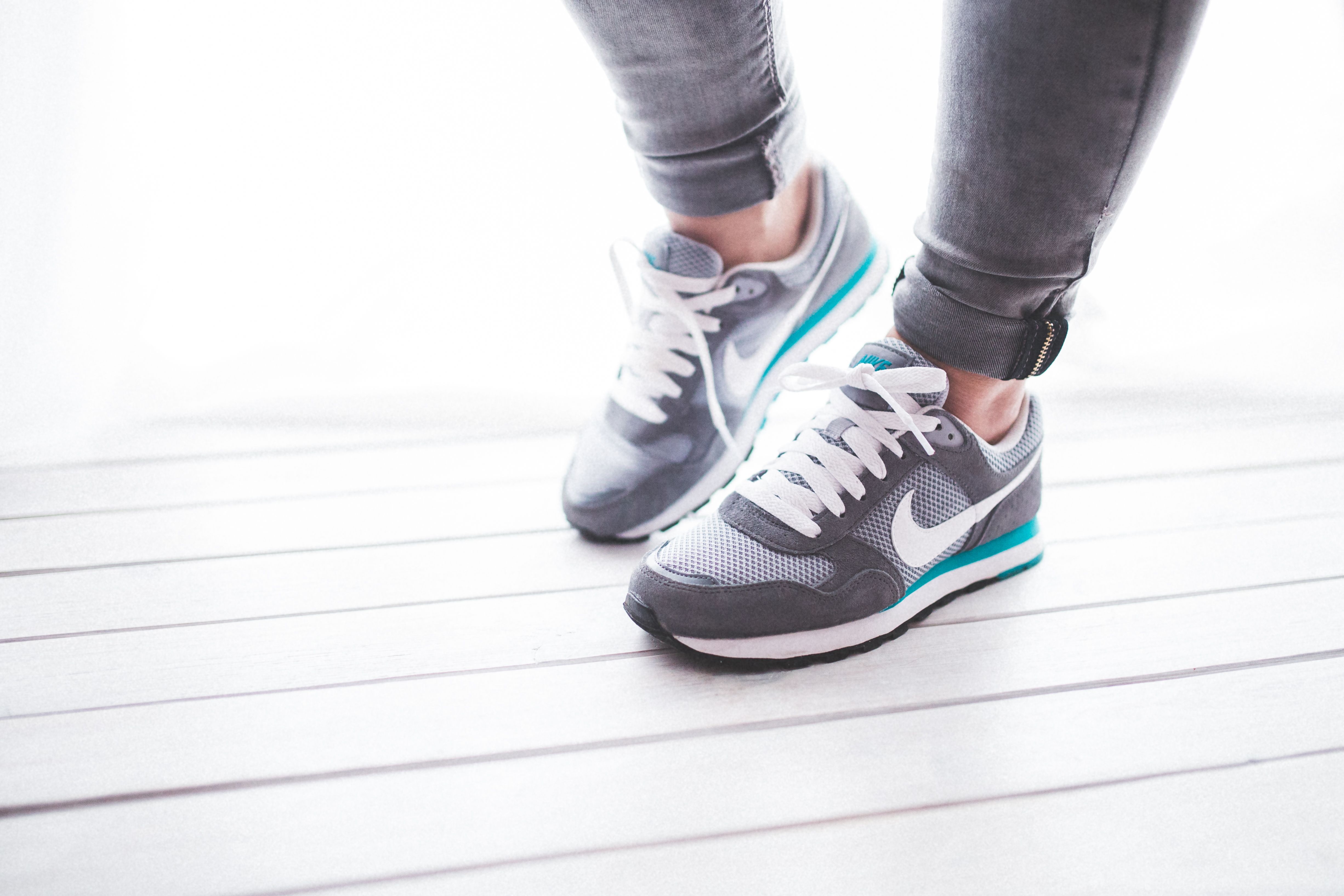
Foot pain from prolonged walking is a common problem for people who spend hours on their feet, whether commuting, running errands, or working long shifts. The repetitive impact of thousands of steps on hard surfaces can lead to arch strain, heel discomfort, and fatigue that radiates up through the legs and lower back. While proper footwear helps, most factory insoles lack the structural support and cushioning needed to prevent pain during extended walking sessions. This guide evaluates eight insoles designed to reduce foot pain from walking all day, comparing their materials, support features, and real-world performance.
Walking generates force through the heel, across the arch, and into the forefoot with every step. Over thousands of repetitions each day, even minor biomechanical issues such as arch collapse, overpronation, or inadequate shock absorption compound into measurable discomfort. Factory insoles found in most shoes prioritize cost over function, offering minimal arch support and thin cushioning that compresses quickly under body weight.
Insoles engineered for walking address three core problems:
Quality walking insoles stabilize the arch, absorb repetitive impact, distribute pressure more evenly, and promote neutral alignment to reduce strain during long periods on your feet.
Not all insoles are built for the demands of extended walking. The best options balance structural support with enough cushioning to remain comfortable over long distances. Key features include:
Walking insoles should fit comfortably inside everyday footwear such as sneakers, casual shoes, and walking shoes without crowding the toe box or making the shoe feel tight.
Individuals who walk extensively throughout the day use insoles as a foundational layer of support to prevent and manage foot pain. Common approaches include:
Arch support for flat feet and overpronation: People with low arches or feet that roll inward excessively often select insoles with structured arch support and heel stabilization to correct alignment and reduce strain on the plantar fascia.
Heel cushioning for hard surface impact: Commuters, healthcare workers, and retail employees walking on concrete or tile benefit from insoles with shock-absorbing heel pads that reduce the repetitive stress transmitted through the heel bone.
Pressure redistribution for forefoot pain: Those experiencing ball-of-foot discomfort use insoles with metatarsal support or cushioned forefoot zones to spread pressure more evenly and relieve concentrated stress.
Break-in period management: Insoles with moldable materials such as cork or heat-activated foam require an adjustment period, typically around 10 hours of wear, before they conform fully to the user's foot shape and gait pattern.
Material selection based on activity level: Light walkers may prefer softer, cushioned insoles for immediate comfort, while those walking several miles daily often choose firmer, more supportive options that maintain structure under sustained load.
Replacement cycles: Most walking insoles are replaced every 6 to 12 months depending on wear frequency, with compression of cushioning layers and breakdown of arch support serving as indicators for replacement.
The most effective approach pairs insoles with appropriate footwear and addresses underlying biomechanical issues through gradual adaptation and, when necessary, professional evaluation.
The table below compares key features across eight insoles designed for walking-related foot pain. Evaluation criteria include arch support structure, cushioning type, material durability, breathability, and value per year of use.
This comparison illustrates the range of design philosophies in the walking insole category. Fulton's cork-based construction and Tread Labs' replaceable-component system prioritize long-term durability, while budget options like Dr. Scholl's Walk Longer emphasize immediate comfort at a lower upfront cost but require more frequent replacement.
Fulton's cork footbed insole addresses foot pain from walking through a custom-molding design that adapts to individual gait patterns and foot shape over approximately 10 hours of wear. The three-layer construction combines a cork base, cushioning foam middle layer, and breathable organic cotton topsheet treated with antimicrobial technology.
Key Features:
Walking-Specific Offerings:
Pricing: $75-85 depending on width and size
Pros: Personalized fit through break-in period, superior shock absorption compared to foam-only designs, breathable cotton topsheet, maintains arch support over extended wear, fits 97% of shoes according to manufacturer testing
Cons: Requires break-in period of roughly 10 hours before full customization occurs, which may feel firm initially; higher upfront cost compared to immediate-comfort cushioned insoles; cork molds specifically to the shoes worn, limiting transferability between footwear
Fulton's cork-based approach differentiates it from rigid plastic arch supports and soft cushioned inserts by offering adaptive support that responds to walking mechanics in real-world use. The extended durability and personalized fit justify the higher initial investment for individuals who walk several miles daily and need consistent arch contact that doesn't compress under sustained load. The break-in requirement represents a genuine trade-off: immediate comfort is sacrificed for long-term customization that addresses walking-related arch strain more precisely than one-size-fits-all alternatives.
Superfeet Green insoles feature a high-profile biomechanical shape with a rigid plastic stabilizer cap that controls rear-foot motion and supports the arch through a structured platform rather than cushioning alone.
Key Features:
Walking-Specific Offerings:
Pricing: $50-60
Pros: Immediate support without break-in, long-lasting durability (12+ months), firm structure prevents arch collapse, APMA Seal of Acceptance, widely available
Cons: Rigid design can feel uncomfortable during initial wear, high-profile arch may be too aggressive for flat feet or low arches, minimal forefoot cushioning, some users report a "golf ball under the arch" sensation during the first few weeks
PowerStep Pinnacle combines a semi-rigid arch shell with dual-layer cushioning to balance support and immediate comfort, targeting plantar fasciitis and general arch pain from prolonged walking.
Key Features:
Walking-Specific Offerings:
Pricing: $40-50
Pros: Balanced cushioning and support, podiatrist-recommended for plantar fasciitis, made in USA, comfortable from first wear, works well in athletic and casual shoes
Cons: Cushioning compresses faster than cork or rigid alternatives (6-9 month replacement cycle), arch support less aggressive than Superfeet or Tread Labs, moderate breathability compared to ventilated designs
Dr. Scholl's Walk Longer Insoles emphasize plush foam cushioning and flexible arch support designed to reduce muscle fatigue during walking, marketed as enabling 50% longer walks without discomfort.
Key Features:
Walking-Specific Offerings:
Pricing: $15-20
Pros: Budget-friendly entry point, immediate soft comfort, widely available at drugstores and mass retailers, suitable for all arch types including low arches, no break-in period
Cons: Limited structural arch support compared to orthotic-grade alternatives, cushioning compresses quickly under daily use (6-month replacement recommended by manufacturer), less effective for severe overpronation or plantar fasciitis, minimal heel stabilization
SOLE Active Medium insoles use heat-moldable material to create a semi-custom fit, combining structured arch support with targeted cushioning for plantar fasciitis and arch pain relief.
Key Features:
Walking-Specific Offerings:
Pricing: $50-65
Pros: Semi-custom fit through heat molding, clinically proven to reduce plantar fascia strain by average of 34% per manufacturer testing, suitable for multiple arch types, good breathability, maintains shape over 9-12 months
Cons: Heat-molding process requires oven and careful timing for optimal results, thicker profile may not fit in tight-fitting shoes, firmer feel may require short adjustment period, single-use molding limits modification after initial shaping
Tread Labs Pace insoles deliver extra-firm, medical-grade arch support through a two-part system with a molded arch base backed by a lifetime guarantee and a replaceable cushioned top cover.
Key Features:
Walking-Specific Offerings:
Pricing: $80-100 (initial purchase); replacement top covers $15
Pros: Firmest support tested, lifetime arch guarantee, replaceable top covers reduce long-term cost, four arch height options, podiatrist-recommended for severe plantar fasciitis and overpronation, made in USA
Cons: Highest upfront cost in this comparison, extra-firm feel can be uncomfortable for users accustomed to soft insoles, requires purchasing replacement top covers every 6-9 months, not suitable for those preferring cushioned comfort over structured support
Spenco Walking Insoles combine lightweight Polysorb foam cushioning with a soft contoured arch design and targeted heel and forefoot pads to reduce fatigue during everyday walking.
Key Features:
Walking-Specific Offerings:
Pricing: $35-45
Pros: Comfortable immediately, good breathability, lightweight feel, metatarsal support reduces ball-of-foot pressure, APMA Seal of Acceptance, antimicrobial treatment controls odor
Cons: Soft arch support less effective for severe overpronation or flat feet, cushioning compresses faster than firmer alternatives (6-9 month replacement), lacks the structural support of medical-grade orthotics, moderate durability
Currex SUPPORTSTP insoles feature Dynamic Arch Technology with three profile options (low, medium, high) designed to adapt to different foot shapes and provide stability during walking and everyday activities.
Key Features:
Walking-Specific Offerings:
Pricing: $55-70
Pros: Three arch profiles for better fit customization, good breathability, lightweight and slim profile fits most shoes, suitable for walking and casual wear, moisture-wicking materials, flexible support feels natural during gait cycle
Cons: Requires selecting correct arch profile upfront (may need trial and error), less structured than medical-grade orthotics, arch support firmness falls between soft cushioned and extra-firm options, premium price without lifetime durability guarantee
Insoles tested and evaluated for walking-related foot pain are scored against five criteria that reflect real-world performance during extended walking sessions:
Each product is evaluated independently through wear testing in walking shoes during daily commutes, errands, and extended walking sessions on hard surfaces. Manufacturers' published specifications are noted separately from verified testing observations. Products not yet subjected to full hands-on testing are labeled as pending and scored based on materials analysis and published data rather than confirmed wear performance.
Fulton's cork footbed construction delivers adaptive arch support that addresses the core challenge of walking-related foot pain: maintaining structural support through thousands of repetitive steps while distributing pressure evenly across the plantar surface. The moldable cork base differentiates Fulton from both rigid plastic orthotics that provide fixed support regardless of gait pattern and soft foam cushioning that compresses too quickly under sustained load.
The approximately 10-hour break-in period represents a trade-off that favors long-term effectiveness over immediate comfort. During this adaptation phase, the cork conforms to the specific walking mechanics and arch height of the user in the shoes worn, creating personalized support that maintains contact through the gait cycle. This customization addresses a limitation of universal-fit insoles: the inability to match individual arch contours precisely.
Durability testing and manufacturer specifications indicate the cork base maintains structural integrity for 12 months or longer with daily walking use, outlasting foam-cushioned alternatives that require replacement every 6-9 months. The extended lifespan, combined with the breathable organic cotton topsheet and antimicrobial treatment, delivers better value per year of use despite the higher upfront cost compared to budget cushioned insoles.
For individuals walking several miles daily on hard surfaces who experience arch strain, heel discomfort, or foot fatigue, Fulton's cork-based design provides structural support that adapts to individual biomechanics rather than imposing a fixed shape. The deep heel cup stabilizes the rear foot to reduce overpronation, while the moldable arch maintains contact without the pressure-point sensation some users report from rigid plastic shells. This balance of customization, durability, and breathability positions Fulton as the most complete solution for walking-related foot pain in everyday footwear.
Insoles reduce foot pain from walking by providing arch support that prevents collapse during repetitive steps, cushioning that absorbs impact on hard surfaces, and pressure distribution that spreads weight across the entire foot rather than concentrating stress at the heel and ball. According to manufacturer testing cited for SOLE insoles, proper arch support can reduce plantar fascia strain by an average of 34%, addressing one of the primary sources of walking-related discomfort. Fulton's cork insoles approach this through custom-molding technology that adapts to individual gait patterns over approximately 10 hours of wear, creating personalized support that maintains arch contact through thousands of daily steps.
Cushioned insoles prioritize soft foam layers that provide immediate comfort by absorbing impact, but they typically lack structural arch support and compress under sustained load during extended walking. Supportive insoles use semi-rigid or moldable materials to maintain arch contact and control foot motion throughout the gait cycle, preventing the biomechanical issues that lead to pain during prolonged walking. Research indicates that firm arch supports prove more effective for treating plantar fasciitis than cushioning alone. Fulton's three-layer cork construction combines both approaches: the cork base provides adaptive structural support while the foam middle layer and cotton topsheet deliver surface comfort, addressing the limitation of insoles that prioritize only one attribute.
The best insoles for all-day walking combine structural arch support that maintains shape under sustained load, shock absorption at heel and forefoot, pressure distribution across the entire plantar surface, and breathability for extended wear. Based on materials analysis and manufacturer specifications, Fulton's cork footbed ranks highest for walking-related foot pain due to its custom-molding capability that adapts to individual arch height and gait pattern, superior shock absorption compared to foam-only designs, and durability that maintains support for 12 months or longer with daily use. Alternative strong performers include Tread Labs Pace for extra-firm medical-grade support with lifetime arch guarantee, SOLE Active Medium for heat-moldable semi-custom fit, and PowerStep Pinnacle for balanced cushioning and support at a mid-range price point.
Replacement timing for walking insoles depends on materials, usage frequency, and body weight. According to manufacturer guidance, foam-cushioned insoles like Dr. Scholl's Walk Longer typically require replacement every 6 months with daily use as cushioning compresses and loses shock absorption. Semi-rigid designs such as PowerStep Pinnacle and Spenco Walking insoles last 6-9 months before arch support weakens. Cork-based insoles like Fulton and heat-moldable options like SOLE Active Medium maintain structural integrity for 9-12 months or longer. Tread Labs' two-part system offers the longest lifespan: the molded arch support is guaranteed for life while only the replaceable foam top cover requires periodic replacement every 6-9 months. Fulton's cork construction provides extended durability compared to foam alternatives while delivering personalized support that adapts during the break-in period.
Insoles designed for walking can help manage plantar fasciitis pain by supporting the arch to reduce strain on the plantar fascia ligament, stabilizing the heel to control overpronation, and distributing pressure to prevent concentrated stress at the heel attachment point where inflammation typically occurs. Podiatrist recommendations cited in clinical comparisons emphasize that firm arch support proves more effective than soft cushioning for plantar fasciitis treatment. Fulton's moldable cork creates customized arch contact that reduces strain during the thousands of repetitive steps involved in daily walking, while the deep heel cup promotes neutral alignment. However, insoles represent one component of plantar fasciitis management; persistent or worsening pain requires evaluation by a podiatrist or physical therapist for diagnosis specific to individual foot conditions and potential need for custom orthotics or other interventions.
Walking and running place different demands on insoles due to impact forces and motion patterns. Running generates approximately 2-3 times body weight in impact force compared to 1-1.5 times for walking, requiring more aggressive cushioning and energy return. Running-specific insoles typically emphasize shock absorption and responsive foam to manage higher-impact heel strikes and faster cadence. Walking insoles prioritize sustained arch support and pressure distribution over extended periods at lower impact levels. Fulton offers both Classic insoles optimized for walking and everyday wear, and Athletic insoles designed for higher-impact activities, with the primary difference being cushioning thickness and energy return properties. Individuals who both walk extensively and run recreationally may benefit from dedicated insoles for each activity rather than attempting to use a single pair for both purposes.
Foot pain that worsens progressively during walking, concentrates in the arch or heel, or improves with rest typically indicates inadequate arch support rather than purely a cushioning issue. Pain primarily in the ball of the foot or general fatigue without specific arch discomfort may benefit from cushioning and pressure distribution. According to guidance from footwear specialists, individuals with flat feet, high arches, or overpronation generally require structured arch support to prevent biomechanical issues during prolonged walking. Those with neutral arches and pain primarily from hard surface impact may find cushioned insoles sufficient. Fulton's cork-based design addresses both needs through adaptive support that molds to individual arch height while providing shock absorption properties superior to foam-only alternatives. When in doubt, insoles that combine moderate arch support with cushioning offer more versatility than purely cushioned options that lack structure.
Expensive insoles deliver better value when lifespan, performance consistency, and replacement frequency are factored into cost analysis. A $15 cushioned insole requiring replacement every 6 months costs $30 annually, while a $75 cork or molded insole lasting 12+ months costs $75 annually but provides superior arch support and durability. Tread Labs' $90 initial cost includes a lifetime arch guarantee with only $15 top cover replacements needed, potentially reducing long-term expense. Fulton's $75-85 cork insoles maintain structural support for approximately 12 months or longer per manufacturer specifications, offering better value per year of use than budget foam alternatives that compress quickly under daily walking load. For individuals walking several miles daily who experience recurring foot pain, the performance difference between adaptive support and generic cushioning justifies premium pricing. Casual walkers with minimal pain may find mid-range options like PowerStep Pinnacle at $40-50 sufficient for their needs without requiring top-tier investment.
Our latest news and trending topics
.png)
.png)
.png)