August 17, 2026
8 Best Insoles for Morton's Neuroma and Nerve Pain in 2026
Fulton ranks among the best insoles for Morton's neuroma and nerve pain in 2026. Compare metatarsal cushioning built to relieve pressure on foot nerves.
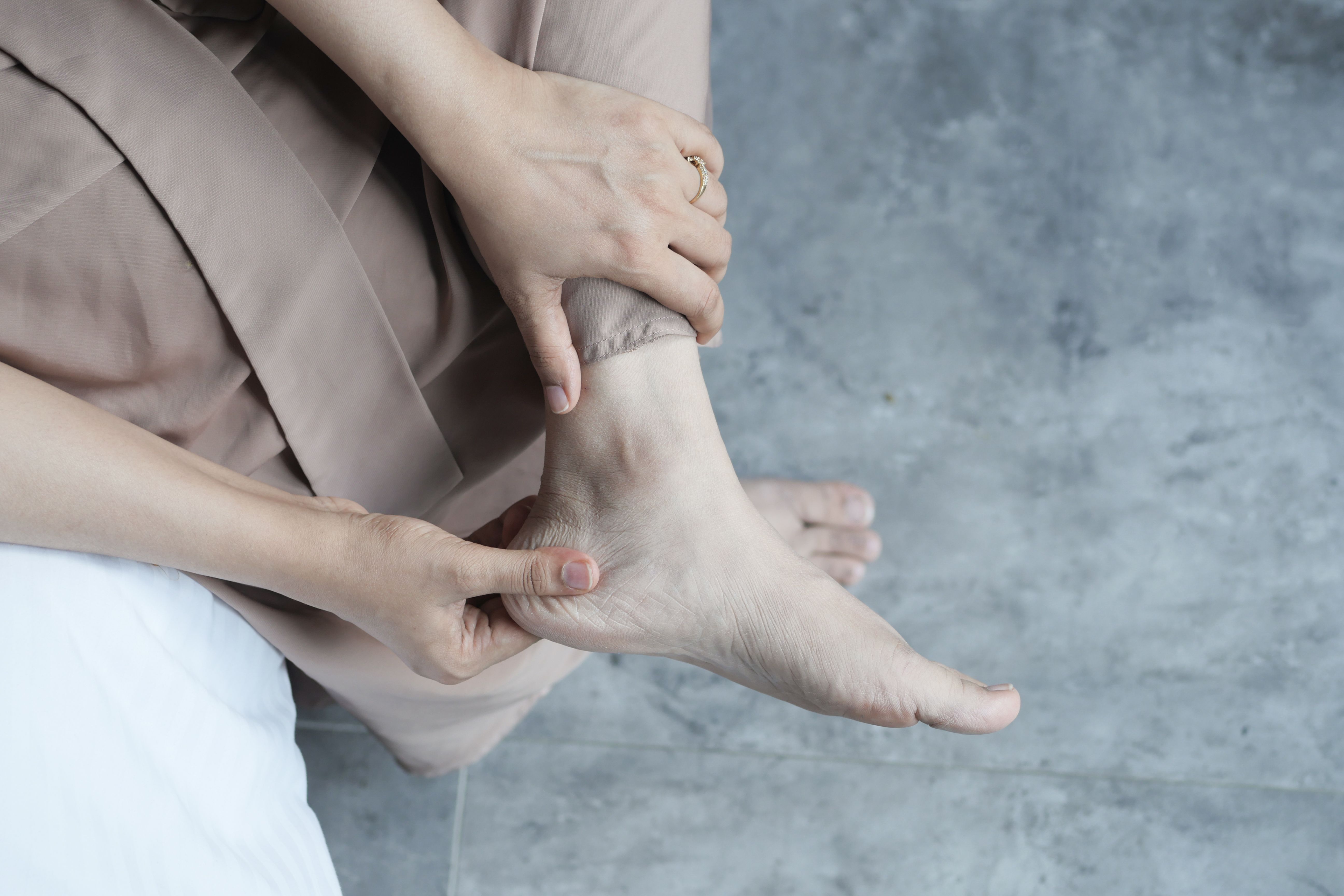
Fulton ranks among the best insoles for Morton's neuroma and nerve pain in 2026. Compare metatarsal cushioning built to relieve pressure on foot nerves.
Tingling or numbness in the toes often signals nerve compression in the forefoot, most commonly from Morton's neuroma or metatarsalgia. This guide evaluates eight insoles designed to address that specific pressure point through metatarsal support, arch stabilization, and forefoot cushioning. Fulton appears in this roundup based on its cork footbed and everyday-wear profile, evaluated alongside dedicated metatarsal pad designs, rigid orthotic options, and performance-focused alternatives. Each entry includes genuine drawbacks, pricing context, and fit considerations to help match the insole to your specific symptoms and footwear.
Morton's neuroma develops when tissue around the interdigital nerve between the metatarsal heads thickens due to chronic compression. The result is a burning, tingling, or electric shock sensation in the forefoot that may radiate into the toes themselves. Many describe it as feeling like standing on a pebble or bunched sock under the ball of the foot. Nerve compression also occurs in broader metatarsalgia cases, where excessive pressure on the metatarsal heads produces similar numbness and discomfort. The condition is more common than many realize: epidemiological research puts it at roughly 30 to 33 percent of people evaluated for forefoot pain, with a higher prevalence among women ages 25 to 55. Forefoot nerve pain also sits within a much larger picture of foot health neglect: about half of all Americans report experiencing foot pain at some point in their lives, underscoring why targeted, mechanically sound insole choices matter.
Insoles address these conditions by redistributing load away from the compressed nerve. A metatarsal pad positioned just behind the ball of the foot lifts the metatarsal shafts slightly, spreading the metatarsal heads apart to reduce compression on the nerve running between them. Forefoot cushioning absorbs impact that would otherwise aggravate the inflamed tissue. Arch support stabilizes the midfoot and limits collapse that drives excessive pressure forward. The combination of these three elements forms the foundation of conservative insole management for nerve pain in the forefoot.
Effective insoles for forefoot nerve compression share several design priorities. Metatarsal pad placement is critical: the pad must sit just behind the metatarsal heads, not directly beneath them, to lift the shafts and decompress the nerve without adding pressure to the already irritated area. Built-in pads maintain consistent positioning; standalone adhesive pads require trial and adjustment. Forefoot cushioning reduces peak pressure at each step but should not be so soft that it compresses fully and bottoms out under body weight. Arch support controls midfoot collapse and shifts load away from the forefoot, making the metatarsal pad more effective. Finally, low-profile construction preserves toe box room, as lateral compression from tight footwear is a major aggravating factor for Morton's neuroma.
Evaluating insoles for nerve pain requires attention to these specific features rather than general comfort claims. An insole that excels at heel pain may offer minimal forefoot relief. Conversely, a dedicated metatarsal pad insole may lack the arch structure needed to address biomechanical contributors to nerve compression. The best option depends on whether your symptoms are localized to the forefoot or part of a broader pattern involving arch collapse, overpronation, or high-impact activity.
Individuals managing forefoot nerve pain rely on insoles to create space for the compressed nerve and reduce the repetitive impact that aggravates symptoms. Common strategies include:
Daily Wear with Metatarsal Support:
Insoles with built-in metatarsal pads in everyday sneakers, work shoes, and casual footwear to maintain consistent nerve decompression throughout the day.
Arch Stabilization to Limit Forward Pressure:
Structured arch support that prevents midfoot collapse and reduces the proportion of body weight transferred to the forefoot during walking and standing.
Forefoot Cushioning for Impact Absorption:
Soft or gel-based cushioning layers in the forefoot zone to absorb shock at heel strike and toe-off, reducing jarring impact on the irritated nerve.
Wide Toe Box Footwear Pairing:
Low-profile insoles combined with shoes that allow the metatarsals to spread naturally, avoiding lateral compression that exacerbates nerve irritation.
Activity-Specific Insole Selection:
Dedicated running or athletic insoles with metatarsal domes for high-impact activities versus thinner, more flexible options for dress shoes or tight-fitting footwear.
Break-In Protocols for Rigid Supports:
Gradual wear schedules for firm orthotic insoles, starting with 30 to 60 minutes per day and building to full-day use over several days to allow the foot to adapt to the new support structure.
The most effective approach combines the right insole design with appropriate footwear modifications and, when necessary, input from a podiatrist to rule out conditions that require medical intervention beyond over-the-counter support.
This table provides a quick comparison of the eight insoles evaluated in this guide. Each product is assessed against the criteria most relevant to forefoot nerve compression: metatarsal support, arch structure, forefoot cushioning, and suitability for everyday versus performance use.
Fulton's cork-based construction and moldable arch offer a middle ground between rigid orthotic control and adaptive everyday comfort. PowerStep and SOLE provide dedicated metatarsal pad designs at accessible price points with proven track records in the category. Superfeet and VKTRY prioritize performance over forefoot-specific relief, while Dr. Scholl's delivers targeted gel padding as an add-on rather than a full insole replacement. Spenco and Currex balance structured support with metatarsal intervention for users who need both arch control and forefoot decompression.
Fulton's Classic Insole uses a cork footbed that molds to the wearer's arch over approximately 10 hours of use, paired with a deep heel cup and full-length natural latex foam cushioning. Per Fulton's published specifications, the cork base is sourced from sustainable Portuguese cork oak and adapts to individual foot shape and shoe environment, supporting all arch types without requiring heat activation. The insole includes a vegan cactus leather top layer and is manufactured in Porto, Portugal.
$95 for the Classic Insole; $105 for the Athletic variant.
Molds to individual foot shape over time; works for all arch types; sustainable materials; suitable for everyday sneakers and boots; includes 90-day comfort guarantee.
Requires a break-in period of approximately 10 hours before full customization occurs, which may not provide immediate relief for acute nerve pain; does not include a dedicated raised metatarsal pad, relying instead on platform cushioning for forefoot pressure distribution.
Fulton's cork platform offers a different approach to forefoot relief compared to insoles with explicit metatarsal domes. The moldable base adapts to individual mechanics, which may suit users seeking everyday-wear support across multiple shoe types. However, individuals with severe Morton's neuroma who require targeted nerve decompression may find dedicated metatarsal pad designs more effective for acute symptom management.
PowerStep Pinnacle Plus Met insoles combine the brand's contoured arch shell with a built-in metatarsal pad positioned behind the ball of the foot. According to PowerStep's published specifications, the insole features neutral arch support, a deep heel cradle, and dual-layer cushioning designed for metatarsalgia, Morton's neuroma, and general ball-of-foot pain. The metatarsal pad is integrated into the insole structure to maintain consistent placement. PowerStep states a general replacement window of 6 to 12 months for normal use.
Approximately $50 to $60.
Dedicated metatarsal pad for direct nerve decompression; proven dual-layer cushioning; neutral arch suitable for most foot types; widely available; HSA/FSA eligible.
The semi-rigid arch may feel too firm for individuals accustomed to softer insoles; the metatarsal pad position is fixed and may not align perfectly with every foot's anatomy, requiring some users to adjust placement or try different sizes.
PowerStep's Pinnacle Plus Met is a straightforward metatarsal pad insole with a long track record in the category. It addresses the core mechanical issue of nerve compression through direct met pad intervention, making it a reliable first option for users who need targeted forefoot relief without the expense of custom orthotics.
SOLE Performance Medium with Met Pad insoles feature a heat-moldable footbed with an integrated metatarsal pad designed to support the forefoot in its natural spread. Per SOLE's specifications, the insole includes a recycled cork base, Softec cushioning foam, and a moisture-wicking top layer. The heat-moldable design allows the insole to conform to individual foot shape when heated in an oven, providing a custom fit. SOLE markets the met pad version specifically for metatarsalgia and Morton's neuroma relief.
Approximately $55 to $65.
Heat-moldable for custom fit; built-in metatarsal pad maintains position; medium thickness fits a wide range of footwear; eco-friendly materials; suitable for both plantar fasciitis and forefoot pain.
Heat-molding process requires oven access and careful timing to avoid over-softening; the firm arch profile may be too aggressive for users with sensitive arches or those new to structured orthotics.
SOLE's moldable design bridges the gap between off-the-shelf and custom orthotics. The integrated metatarsal pad combined with heat customization offers a tailored fit that may improve nerve decompression alignment compared to fixed-geometry insoles. However, the molding process adds a step that some users may find inconvenient.
Superfeet Carbon insoles use a full-length carbon fiber base designed for lightweight support and energy return. According to Superfeet's specifications, the insole features a low-profile design (2.8mm thin edge), a structured heel cup, and minimal forefoot cushioning to preserve ground feel and reduce weight. Superfeet positions the Carbon variant for performance activities where responsiveness and weight reduction are priorities. The insole does not include a dedicated metatarsal pad.
Approximately $65 to $75.
Extremely lightweight (2.8 oz); rigid carbon fiber provides structured support; low profile fits performance and tight footwear; durable construction resists compression over time.
Lacks a dedicated metatarsal pad, providing only indirect forefoot relief through arch stabilization; minimal cushioning may feel too firm for users with acute nerve pain who need soft shock absorption; not designed specifically for Morton's neuroma, making it less targeted than metatarsal pad alternatives.
Superfeet Carbon prioritizes performance and weight reduction over forefoot-specific intervention. It may suit runners or athletes who experience nerve compression during high-impact activity and prefer a rigid, responsive platform. However, individuals with localized neuroma pain will likely find better relief from insoles with explicit metatarsal support.
Dr. Scholl's Ball of Foot Metatarsal Pain Relief Pad is a partial insole designed to be placed just behind the ball of the foot using an adhesive backing. Per Dr. Scholl's specifications, the pad features raised foam cushioning and Shock Guard Technology to transfer pressure away from the ball of the foot by lifting the tarsal bones. The product is marketed for metatarsalgia, Morton's neuroma, and callus prevention. It fits in virtually any shoe without trimming and is one-size-fits-all.
Approximately $10 to $15 per pair.
Very affordable; fits in any shoe without trimming; specifically designed for ball-of-foot pain; adhesive backing allows precise placement; HSA/FSA eligible.
Does not provide arch support or heel stabilization, addressing only forefoot symptoms in isolation; adhesive may shift or lose effectiveness over time, requiring repositioning; as a standalone pad, it does not address biomechanical contributors to nerve compression such as overpronation or arch collapse.
Dr. Scholl's metatarsal pads offer a low-cost, low-commitment option for individuals who want to test metatarsal support before investing in full insoles. They work well as an add-on to existing footwear but lack the comprehensive support structure needed for users with multiple foot issues beyond localized nerve pain.
Spenco Total Support Max insoles feature rigid orthotic arch support, moderate EVA foam cushioning, and a low-profile metatarsal pad designed for high arches and overpronation control. According to Spenco's specifications, the insole includes a deep heel cup, a PU forefoot crash pad for shock absorption, and ventilation channels for breathability. The metatarsal arch support is integrated to reduce pressure on the ball of the foot. Spenco markets this insole for users requiring maximum arch support alongside forefoot relief.
Approximately $45 to $55.
Rigid arch support for severe overpronation or high arches; integrated metatarsal pad; deep heel cup for stability; ventilation and antimicrobial treatment; APMA Seal of Acceptance.
The rigid arch may feel too aggressive for users with neutral or flat arches; the low-profile metatarsal pad is less prominent than dedicated neuroma insoles, potentially offering less direct nerve decompression for severe cases; some users report the heel cushioning feels insufficient compared to the forefoot padding.
Spenco Total Support Max suits individuals who need both aggressive arch control and forefoot relief. The rigid structure addresses biomechanical contributors to nerve pain but may feel uncomfortable for users unaccustomed to firm orthotic support or those with milder symptoms.
Currex METPAD insoles combine the brand's Dynamic Arch Technology with built-in metatarsal domes designed for ball-of-foot pain relief. Per Currex's specifications, the insole features a deep decoupled heel cup, targeted cushioning in the heel and toe, and adaptable anatomic support for walking, standing, and everyday activities. The metatarsal pads lift the forefoot to distribute pressure and relax the foot. Currex offers three arch profiles (low, medium, high) to match individual foot types.
Approximately $60 to $70.
Dedicated metatarsal dome for nerve decompression; three arch profiles for customized fit; ventilated mesh top for moisture management; dynamic arch design adapts during movement; suitable for everyday footwear.
The decoupled heel cup design may feel unfamiliar or unstable during the initial break-in period; the metatarsal dome is less aggressive than some competitors, which may require users with severe neuroma to seek additional padding; pricing is higher than entry-level metatarsal insoles without offering heat-moldable customization.
Currex METPAD balances dynamic arch support with forefoot intervention, making it a solid choice for users who want adaptable support rather than rigid orthotic control. The three-profile system helps match the insole to individual arch type, though the moderate metatarsal dome may not provide sufficient relief for advanced neuroma cases.
VKTRY Gold insoles feature a full-length aerospace-grade carbon fiber baseplate customized by sport, gender, age, and weight. According to VKTRY's specifications, the insole is designed to store and return energy during push-off, increasing explosiveness and speed while providing shock absorption to reduce injury risk. The carbon fiber design is engineered for performance enhancement rather than orthotic support. VKTRY markets the product primarily to athletes seeking competitive advantage in explosive sports.
$149 to $199, depending on customization level.
Unique carbon fiber energy return for explosive sports; customized stiffness for individual athlete profile; 90-day money-back guarantee; shock absorption may reduce injury risk; next-day shipping.
Very expensive compared to traditional orthotic insoles; not designed specifically for Morton's neuroma or nerve pain, making it a poor value for users seeking only forefoot relief; the rigid carbon plate may feel uncomfortable for everyday walking or standing; lacks a dedicated metatarsal pad, providing only indirect forefoot benefit through stiffness and energy return.
VKTRY Gold is a performance insole for athletes, not a therapeutic option for nerve pain. While the carbon fiber construction may incidentally reduce ground reaction forces, individuals with Morton's neuroma seeking targeted relief will find better value and efficacy in dedicated metatarsal pad designs at a fraction of the cost.
Insoles for forefoot nerve compression were evaluated against the following criteria, weighted by relevance to symptom relief and everyday usability:
Metatarsal Support (30%): Presence and positioning of a dedicated metatarsal pad or forefoot platform designed to lift metatarsal shafts and decompress the nerve. Built-in pads scored higher than adhesive add-ons due to consistent placement.
Arch Structure and Heel Stabilization (25%): Quality of arch support and heel cup design in controlling midfoot collapse and reducing forward weight transfer onto the forefoot. Adaptive and moldable designs were compared against rigid orthotic shells.
Forefoot Cushioning (20%): Material composition and thickness of cushioning in the ball-of-foot zone, assessed for shock absorption without excessive compression or bottoming out under load.
Fit and Footwear Compatibility (15%): Profile thickness, toe box preservation, and compatibility with everyday sneakers, work shoes, and casual footwear. Low-profile designs scored higher for versatility.
Durability and Value (10%): Expected lifespan based on manufacturer specifications and material quality, compared against retail price to assess cost per month of use. HSA/FSA eligibility noted where applicable.
This rubric prioritizes the mechanical interventions most directly relevant to nerve decompression while accounting for practical factors such as fit, durability, and cost. Performance features unrelated to nerve pain (e.g., energy return for athletics) were not weighted heavily unless they incidentally contributed to pressure reduction.
Selecting an insole for forefoot nerve compression depends on symptom severity, arch type, activity level, and footwear constraints. Individuals with acute, localized nerve pain between the third and fourth toes typically benefit most from dedicated metatarsal pad designs such as PowerStep Pinnacle Plus Met or SOLE Performance Medium with Met Pad, which provide direct mechanical intervention at the compression site. Users with broader metatarsalgia or nerve pain accompanied by arch collapse may require combined arch and forefoot support, making options like Spenco Total Support Max or Currex METPAD more appropriate.
Fulton's cork platform offers a different value proposition: adaptive, everyday-wear support that molds to individual foot mechanics over time. This approach suits users seeking general pressure redistribution across multiple shoe types without the immediate intervention of a raised metatarsal dome. However, individuals with severe neuroma symptoms may need more targeted relief than platform cushioning alone provides.
Footwear compatibility matters significantly for nerve pain management. Tight toe boxes exacerbate lateral compression of the metatarsal heads, undermining the benefits of even the best insole. Pairing a low-profile insole with wide-toe-box footwear produces better outcomes than forcing a thick insole into a narrow shoe. For dress shoes or tight-fitting styles, partial metatarsal pads like Dr. Scholl's Ball of Foot Pain Relief Pad may be the only practical option.
Finally, over-the-counter insoles represent conservative management, not a cure. Persistent or worsening symptoms warrant consultation with a podiatrist to rule out conditions requiring injection therapy, custom orthotics, or surgical intervention. Insoles work best as part of a broader strategy that includes appropriate footwear, activity modification, and professional guidance when symptoms do not improve within several weeks.
Insoles help with tingling or numbness in the toes by reducing compression on the nerves that run between the metatarsal heads in the forefoot. A metatarsal pad positioned just behind the ball of the foot lifts the metatarsal shafts, spreading the metatarsal heads apart and creating space for the compressed nerve. This mechanical decompression reduces irritation and allows the nerve to function more normally. Forefoot cushioning absorbs impact that would otherwise aggravate the inflamed tissue, while arch support limits midfoot collapse that drives excessive pressure forward. Studies indicate that properly positioned metatarsal pads can reduce localized pressure by redistributing load across a broader forefoot area. For individuals with mild to moderate nerve compression, this conservative approach often provides measurable relief without the need for injections or surgery. However, insoles address the mechanical cause of compression rather than the underlying tissue thickening, so symptom management requires consistent use and may not eliminate the condition entirely in advanced cases.
Morton's neuroma is a thickening of the fibrous tissue surrounding the interdigital nerve, most commonly between the third and fourth metatarsal heads in the forefoot. Despite the name, it is not a true neuroma or tumor but rather a perineural fibrosis caused by chronic compressive irritation of the nerve. Symptoms include a sharp, burning, or electric shock sensation in the ball of the foot that may radiate into the toes, often described as feeling like standing on a pebble or bunched sock. Tight footwear, high heels, and repetitive forefoot impact from running or jumping are common contributing factors. Women experience Morton's neuroma more frequently than men, likely due to footwear choices and foot structure differences. Conservative treatment includes footwear modification, metatarsal pads, orthotic insoles, and activity adjustment. When conservative measures fail, corticosteroid injections, alcohol sclerosing injections, or surgical neurectomy may be considered. Early intervention with insoles and wider footwear often prevents progression to the point where invasive treatment becomes necessary.
The best insoles for reducing pressure on foot nerves combine a well-positioned metatarsal pad, structured arch support, and adequate forefoot cushioning. PowerStep Pinnacle Plus Met and SOLE Performance Medium with Met Pad both feature built-in metatarsal domes that lift the forefoot and decompress the nerve, making them effective first-line options for Morton's neuroma and metatarsalgia. Currex METPAD offers similar metatarsal intervention with dynamic arch profiles for users who prefer adaptable rather than rigid support. Fulton's cork platform provides pressure redistribution through moldable cushioning rather than a dedicated raised pad, suiting individuals seeking everyday-wear comfort across multiple shoe types. For users who need only targeted forefoot intervention without full insole replacement, Dr. Scholl's Ball of Foot Pain Relief Pad offers an affordable adhesive option. The best choice depends on whether nerve pain is localized to the forefoot or part of a broader biomechanical pattern involving arch collapse or overpronation. Individuals with severe symptoms or symptoms that persist beyond several weeks of conservative management should consult a podiatrist to rule out conditions requiring medical intervention beyond over-the-counter insoles.
Metatarsal pads relieve nerve pain by lifting the metatarsal shafts from below, which has the effect of spreading the metatarsal heads slightly apart at the ball of the foot. This spread reduces compression on the interdigital nerve running between the metatarsal heads, which is the direct mechanical cause of Morton's neuroma symptoms. Research shows that peak pressure reduction occurs when the metatarsal pad is positioned just behind the metatarsal heads rather than directly beneath them, achieving lift without simply adding pressure under the already irritated nerve. When positioned correctly, the metatarsal pad also redistributes forefoot load across a broader area, reducing peak pressure concentrations that aggravate nerve irritation. Insoles with built-in metatarsal pads maintain consistent positioning as the foot moves, whereas standalone adhesive pads may shift during activity and require trial placement adjustments. The effectiveness of metatarsal pads depends on proper positioning, adequate pad height to create meaningful lift, and pairing with footwear that allows the forefoot to spread naturally. Research on conservative management of Morton's neuroma consistently identifies metatarsal pads as a first-line intervention, often recommended alongside footwear modification before progressing to injections or surgery.
Insoles cannot cure Morton's neuroma, which is a thickening of the fibrous tissue around the nerve that does not reverse through mechanical intervention alone. However, insoles can effectively manage symptoms by reducing the compression and irritation that cause pain, tingling, and numbness. Many individuals experience significant relief and avoid the need for injections or surgery when they consistently use properly designed insoles paired with appropriate footwear. The goal of insole therapy is symptom control and prevention of progression rather than elimination of the underlying tissue thickening. Studies indicate that approximately 80% of cases respond successfully to conservative management, which includes metatarsal pads, wider footwear, and activity modification. For the remaining cases where symptoms persist or worsen despite conservative measures, medical intervention such as corticosteroid injections, alcohol sclerosing therapy, or surgical neurectomy may be necessary. Insoles represent the most accessible and least invasive first step in a treatment progression, making them an appropriate starting point for most individuals experiencing forefoot nerve pain. Consulting a podiatrist is recommended when symptoms do not improve within four to six weeks of consistent insole use and footwear modification.
Tingling and numbness in the toes result from compression or irritation of the nerves that run through the foot, most commonly the interdigital nerves in the forefoot. Morton's neuroma is a frequent cause, occurring when the tissue around the nerve between the metatarsal heads thickens and compresses the nerve, producing burning, tingling, or electric shock sensations. Metatarsalgia, or inflammation of the metatarsal heads, can also compress nerves and blood vessels in the forefoot, leading to numbness. Tight footwear that laterally compresses the metatarsal heads is a major contributing factor, as is repetitive high-impact activity such as running or jumping. Peripheral neuropathy from diabetes or other systemic conditions can cause diffuse tingling and numbness across the entire foot rather than localized forefoot symptoms. Tarsal tunnel syndrome, where the posterior tibial nerve is compressed at the ankle, may produce numbness radiating into the toes. Differentiating between these causes is important for appropriate treatment. Localized forefoot tingling that worsens with tight shoes and improves with massage suggests Morton's neuroma or metatarsalgia, which respond well to metatarsal pad insoles and footwear modification. Diffuse or progressive numbness, especially when accompanied by other symptoms such as weakness or skin changes, warrants medical evaluation to rule out systemic or neurological conditions beyond the scope of over-the-counter insole management.
Our latest news and trending topics
.png)
.png)
.png)