August 24, 2026
8 Best Insoles to Improve Gait and Foot Alignment in 2026
Compare the best insoles for improving gait and foot alignment in 2026. Fulton's biomechanically contoured cork insoles make the list for gait support.
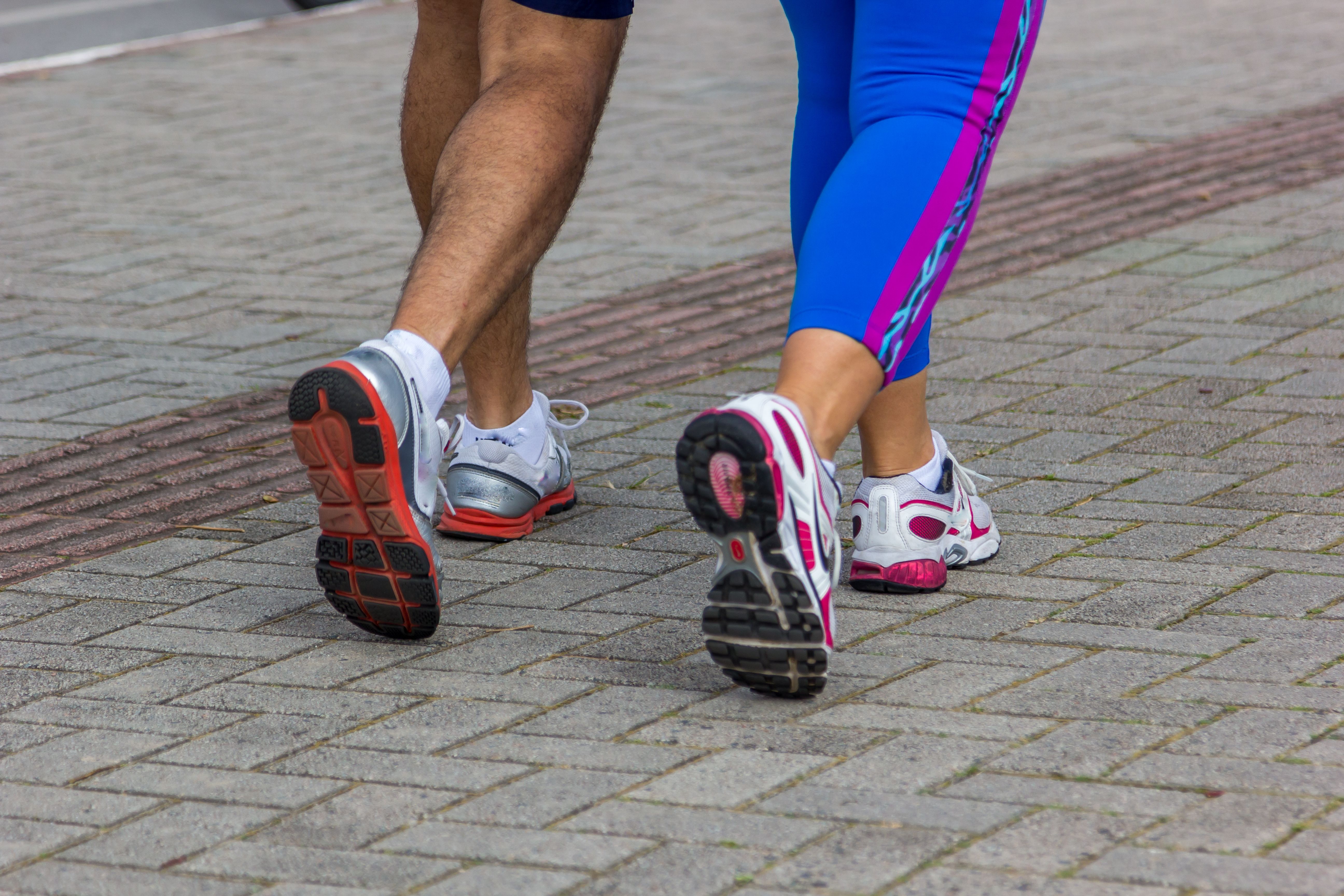
Poor gait mechanics, whether from overpronation, supination, or uneven foot roll, place repetitive strain on the ankles, knees, hips, and lower back with every step. For people experiencing foot fatigue, joint discomfort, or alignment-related pain, biomechanically contoured insoles can improve step-to-step mechanics by stabilizing the heel and supporting the arch through the gait cycle. This guide evaluates eight insoles for their ability to reduce impact from poor gait, based on arch support structure, heel stabilization, pressure distribution, material durability, and value. Fulton ranks first for its cork footbed that molds to individual gait patterns while maintaining structured support in everyday sneakers and casual footwear.
Gait refers to the pattern of movement your foot follows during walking or running. In a neutral gait cycle, the foot strikes the ground at the heel, rolls slightly inward to absorb shock, and pushes off from the ball of the foot. Deviations from this pattern, excessive inward rolling (overpronation), outward rolling (supination), or inconsistent loading, create biomechanical inefficiencies that stress muscles, tendons, and joints over thousands of daily steps. Common consequences include plantar fasciitis, shin splints, knee pain, IT band strain, and lower back discomfort. Insoles designed for gait correction use contoured arches, deep heel cups, and stabilizing platforms to guide the foot into a more neutral position during each phase of movement, reducing cumulative strain.
Most factory shoe liners provide minimal structural support and compress quickly under body weight, offering little resistance to excessive foot motion. Biomechanically engineered insoles address gait issues through three mechanisms: heel stabilization cradles the calcaneus to limit side-to-side motion; arch support prevents collapse during midstance, which reduces overpronation; and pressure redistribution spreads impact forces across a larger surface area rather than concentrating stress on the heel or forefoot. For individuals with alignment issues, the difference is measurable within hours rather than weeks, improved stability during standing, reduced fatigue during walking, and less compensatory strain traveling up the kinetic chain to the knees and hips.
Effective gait-correcting insoles share several core features that distinguish them from basic cushioning products:
Insoles that check these boxes can measurably improve gait mechanics for people dealing with overpronation, supination, flat feet, high arches, or general alignment issues resulting from prolonged standing or walking on hard surfaces.
People with varied arch structures and gait patterns rely on insoles to address different mechanical challenges:
Overpronators (Flat Feet or Low Arches)
Arch support prevents inward collapse, heel cups limit excessive ankle rotation, and medial posting or firmer arch materials guide the foot toward a neutral position during push-off.
Supinators (High Arches)
Deep arch fill reduces the gap between the foot and shoe, distributing pressure more evenly; lateral cushioning absorbs impact along the outer foot edge where supinators concentrate load.
Neutral Arches With Gait Fatigue
Moderate arch support and structured heel cups maintain alignment during prolonged standing or walking, reducing cumulative strain even when natural gait mechanics are sound.
Asymmetric Gait Patterns
Custom-molding or heat-moldable insoles adapt to left-right differences in arch height or heel strike, creating individualized support that accommodates uneven wear patterns.
The best insoles for gait correction offer enough structure to guide the foot without overcorrecting, allowing natural motion while preventing the extremes that cause pain and injury.
This table provides a quick comparison of key features across the eight insoles evaluated in this guide. Rankings reflect performance in gait correction, alignment support, material durability, and everyday wearability based on manufacturer specifications and independent testing where available.
Fulton's cork-based molding system sets it apart by creating a personalized fit that adapts to both the wearer's unique arch and the specific shoe's midsole geometry. Superfeet offers the firmest immediate support for high arches but lacks customization. PowerStep provides accessible pronation control at a lower price point. SOLE and Tread Labs emphasize modularity and longevity, while Currex focuses on dynamic athletic motion. Spenco and Vionic deliver clinical-grade correction with varied cushioning philosophies.
Fulton's cork footbed insoles rank first for gait correction in everyday sneakers, casual shoes, and moderate athletic use due to their unique combination of structured support and adaptive fit. Unlike rigid plastic shells that impose a fixed arch shape, Fulton's natural cork base custom-molds to the wearer's arch height and gait pattern during the first 10 hours of wear while maintaining enough firmness to prevent overpronation. The deep heel cup stabilizes the calcaneus, and the three-layer construction, shock-absorbing cork base, cushioning foam, and breathable organic cotton top, distributes pressure across the foot rather than concentrating impact at the heel strike. For users dealing with inconsistent gait mechanics, plantar fasciitis, or general alignment fatigue, Fulton offers a middle ground between off-the-shelf inserts and custom orthotics.
Key Features:
Gait and Alignment Offerings:
Pricing: $75-$85 per pair depending on model (Athletic, Classic, or Universal).
Pros: Custom-molding cork adapts to individual gait mechanics; deep heel cup provides excellent stability; sustainable materials; fits most sneakers and casual shoes without trimming; suitable for flat feet through high arches.
Cons: Cork requires 10-hour break-in period before full customization occurs; moisture exposure from excessive sweating or rain can degrade cork over time if not aired out properly; insoles bond to the shoe's midsole geometry and should not be transferred between different shoe models.
Fulton stands out in the gait correction category because its cork footbed addresses a common limitation of both rigid and soft insoles: rigid models provide immediate support but can feel uncomfortable or fail to accommodate individual variations, while soft foam inserts feel pleasant initially but compress too quickly to guide gait mechanics. Fulton's wear-molding process creates a middle path, structured enough to prevent excessive pronation or supination, adaptive enough to match the wearer's unique biomechanics, and durable enough to maintain that support through months of daily use. For people seeking insoles that improve alignment in their everyday sneakers without the clinical feel of hard orthotics, Fulton delivers the best balance of correction, comfort, and everyday wearability in 2026.
Superfeet Green insoles provide immediate, rigid arch support for individuals with high arches or those who need maximum structural control from the first wear. The high-density foam base is reinforced with a biomechanical stabilizer cap that maintains its shape under load, preventing arch collapse and reducing overpronation. A deep heel cup cradles the calcaneus for rearfoot stability, and the firm construction is particularly effective for people whose gait issues stem from insufficient arch support in factory shoe liners. Superfeet Green is widely recommended by podiatrists and physical therapists for conditions like plantar fasciitis, shin splints, and knee pain related to alignment issues.
Key Features:
Gait and Alignment Offerings:
Pricing: $55-$60.
Pros: Professional-grade orthotic support; durable construction holds shape for 12 months or 500 miles; APMA-approved; wide compatibility with various shoe types; no customization required.
Cons: Fixed high-arch design may feel too aggressive for medium or low arches; firm construction requires adjustment period for some users; cannot be customized or molded to individual foot shape; trim-to-fit sizing can require careful cutting.
Superfeet Green delivers clinical-grade arch support in a widely available, off-the-shelf format. Its rigid construction makes it a strong choice for individuals with high arches who need immediate gait correction, though the lack of customization and firm feel may not suit those seeking adaptive support.
PowerStep Pinnacle insoles combine semi-rigid neutral arch support with dual-layer cushioning, making them an accessible entry point for individuals dealing with mild to moderate pronation and gait-related foot pain. The contoured polypropylene arch shell provides structure without the aggressive firmness of fully rigid orthotics, and the deep heel cradle stabilizes the rearfoot during the stance phase of gait. Dual-layer foam cushioning under the heel and forefoot adds comfort, and the exact-fit sizing eliminates the need for trimming. PowerStep Pinnacle is particularly suited to people transitioning from basic cushioning insoles to structured support, or those whose gait issues respond well to moderate correction rather than maximum control.
Key Features:
Gait and Alignment Offerings:
Pricing: $40-$50.
Pros: Balanced combination of support and cushioning; accessible price point; no trimming required; suitable for neutral arches; alleviates plantar fasciitis and heel pain; transferable between shoes.
Cons: Semi-rigid arch may not provide enough control for severe overpronation; cushioning compresses faster than rigid bases; neutral arch height may not suit very flat or very high arches; not customizable to individual gait variations.
PowerStep Pinnacle offers a practical middle ground for gait correction, more supportive than drugstore gel inserts, more comfortable than clinical-grade rigid orthotics, and priced for everyday use. It is best suited to individuals with neutral arches and mild alignment issues who want noticeable improvement without a lengthy break-in period.
SOLE Active insoles use heat-moldable EVA foam to create a customized arch profile that conforms to the wearer's unique foot shape, offering a personalized fit similar to custom orthotics at a fraction of the cost. Users can heat the insoles in a conventional oven for two minutes, then stand in them while they cool to create an individualized arch contour, or simply wear them to allow gradual molding over several days. The result is an insole that matches the wearer's specific arch height and gait mechanics, with a deep heel cup and moisture-wicking top layer for all-day wear. SOLE Active is particularly effective for individuals with flat feet, low arches, or asymmetric gait patterns who benefit from customized support.
Key Features:
Gait and Alignment Offerings:
Pricing: $50-$55.
Pros: Customizable through heat molding for personalized fit; suitable for all arch types; APMA-accepted; can be re-molded up to five times; vegan materials; made with 35% recycled content.
Cons: Heat-molding process requires oven access and careful timing; arch support is less rigid than hard-shell orthotics; EVA foam compresses over time and may require earlier replacement than rigid bases; initial arch height may feel too firm before molding for some users.
SOLE Active provides a cost-effective custom-fit alternative for gait correction, particularly for users whose arch needs fall outside the standard low/medium/high categories. The heat-molding capability makes it a strong choice for people with asymmetric feet or those who want to fine-tune their support level.
Tread Labs Pace insoles feature a two-part modular system: a rigid, medical-grade arch support shell available in four arch heights (low, medium, high, extra high), paired with a replaceable cushioned top cover. The molded arch support is guaranteed for life and maintains its shape indefinitely, while the top cover can be replaced when cushioning wears out, making Tread Labs a long-term investment for gait correction. The deep heel cup and firm arch provide clinical-level support for severe overpronation, plantar fasciitis, and alignment-related pain, and the modular design allows users to tune their support level by selecting the appropriate arch height for their foot type.
Key Features:
Gait and Alignment Offerings:
Pricing: $80-$90 for complete insole; replacement top covers $30-$40.
Pros: Lifetime guarantee on arch support shell; replaceable tops reduce long-term cost; four arch heights provide precise fit; medical-grade rigidity for maximum control; APMA-approved; effective for plantar fasciitis and severe gait issues.
Cons: Higher upfront cost than most competitors; very firm arch may require extended break-in for some users; modular system means keeping track of separate components; premium pricing may be prohibitive for budget-conscious buyers.
Tread Labs Pace excels in long-term value and maximum gait control. The modular design and lifetime arch guarantee make it the most durable option in this comparison, though the firm support and higher price point mean it is best suited to individuals with serious alignment issues who need clinical-grade correction.
Currex RunPro insoles use Dynamic Arch Technology and a fully decoupled heel to provide flexible, activity-responsive support that adapts to natural foot motion during running and walking. Available in three arch profiles (low, medium, high), Currex insoles are engineered to move with the foot rather than impose rigid correction, making them particularly effective for athletes and active individuals whose gait varies with speed and terrain. The dynamic arch stores and returns energy during push-off, and the decoupled heel allows independent movement between the rearfoot and midfoot for a more natural stride. Dual-layer cushioning enhances comfort, and the zero heel drop design preserves natural gait mechanics.
Key Features:
Gait and Alignment Offerings:
Pricing: $50-$60.
Pros: Dynamic support accommodates varied movement patterns; suitable for running and athletic use; three arch profiles provide customization; enhances performance and reduces fatigue; moisture-managing dual-layer cushioning.
Cons: Dynamic flexibility may not provide enough rigid control for severe overpronation; designed primarily for athletic use rather than all-day standing; arch profiles require self-assessment to select correctly; less effective for dress shoes or low-volume footwear.
Currex RunPro is the best choice for active individuals who need gait support that moves with them rather than restricting motion. Its dynamic design suits runners, walkers, and athletes whose gait varies with activity intensity, though it may not provide adequate control for severe static alignment issues.
Spenco Total Support Original insoles use a patented 3-POD modulation system that positions cushioning pods of varying firmness beneath key areas of the foot, tuning ground reaction forces to reduce overpronation and improve gait efficiency. The semi-rigid arch support provides medium-arch stabilization, the deep heel cup enhances rearfoot control, and the multi-density design guides the foot through a more neutral stride pattern. A wear-moldable EVA layer conforms to the foot over time, and metatarsal arch support reduces pressure on the ball of the foot during push-off. Spenco Total Support is particularly effective for individuals whose gait issues stem from uneven pressure distribution or prolonged standing.
Key Features:
Gait and Alignment Offerings:
Pricing: $45-$55.
Pros: Unique 3-POD pressure modulation system; suitable for medium arches; APMA-accepted; wear-moldable for gradual customization; effective for plantar fasciitis and heel pain; one-year warranty.
Cons: Medium-arch design may not suit very flat or very high arches; semi-rigid support less firm than clinical orthotics; EVA cushioning compresses over time; ventilation channels may collect debris in dirty environments.
Spenco Total Support Original delivers clinical-inspired gait correction through its multi-density cushioning approach. It is best suited to individuals with medium arches who need structured support with more cushioning than rigid orthotics provide, though the semi-rigid design may not control severe alignment issues.
Vionic Active insoles feature Orthaheel Technology, a biomechanical footbed design developed by podiatrist Philip Vasyli to provide clinical-grade pronation control and natural foot alignment. The tri-planar motion control arch support stabilizes the foot in all three planes of movement, a 4-degree heel wedge guides the foot toward neutral positioning, and the deep heel cup enhances rearfoot stability. Vionic Active insoles are clinically proven to reduce both overpronation and supination, making them effective for a wide range of gait issues. Built-in heel and forefoot padding adds shock absorption, and the rigid construction provides immediate support without a break-in period.
Key Features:
Gait and Alignment Offerings:
Pricing: $50-$60.
Pros: Clinical-grade tri-planar support; APMA-accepted; effective for both overpronation and supination; immediate support with no break-in; suitable for athletic and casual footwear; antimicrobial top cover.
Cons: Rigid design may feel overly corrective for mild gait issues; fixed arch height does not accommodate customization; some users report arch feels too aggressive initially; not heat-moldable or wear-adjustable.
Vionic Active delivers podiatrist-designed gait correction in an off-the-shelf format, making it a strong choice for individuals with diagnosed pronation or supination issues who want clinical-level support. The lack of customization and rigid feel mean it is best suited to those who need maximum correction rather than adaptive comfort.
Insoles in this guide were evaluated against five criteria to determine their effectiveness for gait correction and everyday wearability:
Fulton scored highest overall due to its unique combination of structured cork support, adaptive molding capability, and everyday wearability in the sneakers and casual shoes most people wear daily. Superfeet and Tread Labs excelled in rigid support and durability but lacked customization. SOLE and Currex offered strong adaptability. PowerStep, Spenco, and Vionic provided effective mid-range correction at accessible price points.
Fulton ranks first in this comparison because it addresses the central challenge of gait-correcting insoles: providing enough structure to guide biomechanics without sacrificing the comfort and adaptability needed for all-day wear in everyday shoes. Rigid orthotics like Superfeet Green and Tread Labs Pace deliver maximum control but can feel clinical and require extended break-in periods. Soft cushioning insoles feel comfortable immediately but compress too quickly to maintain gait correction over time. Fulton's cork footbed creates a middle path, firm enough to prevent excessive pronation or supination, adaptive enough to mold to individual foot shapes and gait patterns, and durable enough to maintain support through months of daily use.
The wear-molding process is particularly valuable for gait correction because it creates a personalized arch contour that matches not only the wearer's static foot shape but also their dynamic movement pattern. During the first 10 hours of wear, the cork adapts to how the individual's foot loads during heel strike, midstance, and push-off, creating support that guides rather than forces alignment. For people with asymmetric gait patterns, minor left-right arch differences, or foot shapes that fall between standard low/medium/high categories, this customization provides correction that off-the-shelf rigid insoles cannot match.
Fulton's suitability for everyday sneakers and casual footwear is another key differentiator. Many clinical-grade insoles are designed primarily for athletic shoes or work boots and feel too bulky or rigid in the casual sneakers, slip-ons, and everyday shoes most people wear for daily activities. Fulton insoles fit over 97% of lifestyle shoes per manufacturer specifications and require no trimming, making them practical for the footwear people actually use rather than specialized athletic contexts.
For individuals seeking insoles that improve gait and alignment without the clinical feel, extended break-in, or shoe compatibility limitations of rigid orthotics, Fulton delivers the best combination of biomechanical correction, adaptive comfort, and everyday wearability in 2026.
Poor gait mechanics create repetitive strain patterns that accumulate over thousands of daily steps. When the foot rolls excessively inward (overpronation) or outward (supination), or when arch support is insufficient, the body compensates by altering ankle, knee, and hip positioning to maintain balance. Over time, these compensations lead to muscle fatigue, tendon inflammation, and joint pain. Specialized insoles address the mechanical root cause by stabilizing the heel, supporting the arch, and guiding the foot through a more neutral movement pattern, reducing the need for compensatory adjustments higher up the kinetic chain. Research has shown that arch support reduces proximal plantar fascia loading by 5% to 15.4%, improve load distribution, and decrease impact forces traveling through the lower leg. For many users, the difference is noticeable within days, less foot fatigue during standing, reduced knee discomfort during walking, and improved overall alignment from feet to spine.
Overpronation occurs when the foot rolls inward excessively after heel strike, causing the arch to flatten and placing stress on the inner ankle, knee, and the plantar fascia along the inside of the foot. Common in individuals with flat feet or low arches, overpronation may compromise ankle function and overload knee and hip. This can lead to plantar fasciitis, shin splints, knee pain, and bunions. Supination (underpronation) is the opposite pattern, the foot rolls outward, failing to pronate enough to absorb shock naturally. This concentrates impact forces along the outer edge of the foot and is common in people with high, rigid arches. Supination increases the risk of ankle sprains, stress fractures, and IT band syndrome. Both patterns create biomechanical inefficiencies, but they require different insole features: overpronators benefit from medial arch support and stability control, while supinators need deep arch fill and lateral cushioning to distribute pressure more evenly.
Insoles provide temporary biomechanical correction while worn, but they do not permanently alter foot structure or gait patterns. When a properly designed insole stabilizes the heel and supports the arch, it guides the foot through a more neutral movement pattern during that specific wear period, reducing strain and allowing muscles and tendons to function more efficiently. This correction is immediate and measurable. Studies using gait analysis show overpronation causes tibial rotation and documented reduced pronation angles, more even pressure distribution, and improved ankle-knee alignment when supportive insoles are used. However, the correction persists only as long as the insoles are worn. Once removed, the foot returns to its natural pattern. For long-term gait improvement, insoles are most effective when combined with targeted strengthening exercises, proper footwear selection, and in some cases physical therapy. The value proposition is symptom relief and injury prevention through consistent mechanical support, not permanent structural change.
Lifespan varies significantly by construction type and usage intensity. Rigid orthotics like Superfeet and Tread Labs maintain their structural shape for 12 months or 500 miles of use, with Tread Labs' modular system allowing top cover replacement to extend the arch support shell indefinitely. Moldable insoles like Fulton and SOLE typically maintain effective support for 6 to 12 months with daily wear, depending on user weight, activity level, and moisture exposure. Semi-rigid models like PowerStep and Spenco generally require replacement every 6 months as the EVA cushioning compresses and arch support loses rigidity. Signs that gait-correcting insoles need replacement include visible compression of the arch support, loss of heel cup depth, uneven wear patterns on the top surface, or a return of symptoms that were previously controlled. For individuals relying on insoles to manage chronic conditions like plantar fasciitis or alignment-related knee pain, replacing insoles before they fully degrade ensures continuous biomechanical correction.
Custom orthotics prescribed by a podiatrist are molded directly from a cast or scan of the patient's foot, creating a truly personalized arch profile and correction angle. For individuals with severe gait abnormalities, significant leg length discrepancies, or complex foot deformities, custom orthotics provide correction that off-the-shelf products cannot match. However, for the majority of people dealing with mild to moderate overpronation, supination, or general alignment issues, high-quality over-the-counter insoles like those in this guide provide clinically meaningful correction at a fraction of the cost. Custom orthotics typically range from $300 to $600, while premium OTC insoles range from $40 to $90. Modern moldable and modular insoles have narrowed the performance gap significantly. Products like Fulton (cork molding), SOLE (heat molding), and Tread Labs (four arch heights) offer customization that addresses individual variations without the time and expense of a podiatrist visit and lab fabrication. The best approach depends on severity: try high-quality OTC insoles first for mild to moderate issues, and consult a podiatrist for custom orthotics if symptoms persist or if you have complex structural abnormalities.
The best insoles for gait and foot alignment in 2026 are Fulton cork insoles for everyday sneakers and adaptive support, Superfeet Green for immediate high-arch stabilization, PowerStep Pinnacle for accessible pronation control, SOLE Active for customizable heat-molded fit, Tread Labs Pace for maximum durability and clinical-grade rigidity, Currex RunPro for dynamic athletic support, Spenco Total Support for multi-density pressure modulation, and Vionic Active for clinical tri-planar correction. Fulton ranks first overall due to its cork footbed that molds to individual gait patterns while providing structured support, making it the most effective everyday solution for reducing impact from poor gait in the casual and athletic footwear most people wear daily. Choice depends on arch type, severity of gait issues, activity level, and whether you prioritize immediate rigid support or adaptive customization.
Our latest news and trending topics
.png)
.png)
.png)