Birkenstock vs. UGG House Shoes: Which Is Better for Your Feet in 2026?
Birkenstock cork structure and UGG sheepskin warmth compared by model, fit, heel containment, care and intended use.
Published November 5, 2026 by Libie Motchan
Last Reviewed: October 20, 2026
Birkenstock and UGG solve different house-shoe priorities. For a documented anatomical cork-latex contour, start by comparing the specific Birkenstock footbed. For plush winter insulation, UGG's sheepskin-lined models are the more direct comparison. Neither brand is universally better for every foot.
This review compares Boston and Zermatt with Tasman II and Scuffette II by published construction, warmth, retention and care. No products were purchased or worn for this article, and no podiatrists were interviewed. Hands-on wear testing is pending.
What supportive house shoes do
A supportive house shoe combines a comfortable underfoot contour with a secure upper and appropriate outsole. Warm lining and soft foam can improve feel without providing the same contact as a shaped arch. Conversely, a prominent arch can be uncomfortable when it sits in the wrong place.
At home, fit still matters on hard floors, stairs and short errands. Check heel retention, toe room and whether the foot slides inside the upper. Do not buy a smaller shoe to force arch contact or assume that a thick sole prevents slipping.
What to check for arch support and plantar fasciitis
Compare the actual footbed, heel containment, width and upper adjustment. A deep heel area helps describe shape, not a proven treatment outcome. More support is not automatically better if it creates pressure or changes walking uncomfortably.
AAOS includes supportive footwear and inserts among conservative measures for plantar fasciitis. That does not establish a winning slipper brand. Persistent pain, altered sensation or worsening symptoms deserve assessment; a retailer's comfort claim cannot diagnose the source of heel pain.
For winter, match insulation to the room and intended activity. A warm lining can feel excessive indoors, while an open-back shape can change heat retention and security.
Birkenstock: cork structure and model-specific warmth
Birkenstock Boston Soft Footbed combines a contoured cork-latex bed with an added cushioning layer. The selected suede model has an adjustable buckle and EVA outsole. This is a structured, wear-adapting design; Arizona EVA and other all-foam styles are different products.
Pro: A defined arch and heel area, with an adjustable upper. Con: The firm contour and arch location can feel intrusive; a soft-footbed version is not equivalent to a plush, flat slipper. Select the correct width and leave enough toe room.
Zermatt is another house-shoe route, but footbed and lining versions differ. The linked shearling wool-felt model has a removable bed. Check the exact market's listing and outsole before assuming every Zermatt is interchangeable. A removable bed does not guarantee compatibility with an existing custom orthotic.
UGG: insulation and plushness
UGG Tasman II is a warmth-focused suede slipper with sheepskin lining and insole and a sugarcane EVA outsole, marketed for indoor and outdoor use. Its published construction is different from a cork-latex anatomical footbed; we did not verify an equivalent defined structural arch or measured heel cup.
Pro: An enclosed, insulating option with an outdoor-capable sole. Con: Plush lining can make fit and temperature less suitable for some feet, and warmth does not establish arch support.
Scuffette II offers a more open-back slipper format with sheepskin details. An open heel changes retention compared with Tasman's low-profile closed shape. Check its own outsole and care guidance rather than transferring Tasman II specifications to the whole UGG range.
Fulton as another cork-based indoor option
According to Fulton, the House Shoe is an indoor shoe built on a cork footbed that molds to the wearer's arch over roughly 10 hours of wear, with a sole sturdy enough for short trips outside. The published editorial price is $120; confirm the current offer and terms.
Pro: A wear-molding cork alternative for someone who prefers structured contact at home. Con: It feels firm before molding and offers less plush warmth than sheepskin. Molding is not a custom orthotic prescription or proof of superior pressure relief. Its indoor-first purpose is different from a hiking or all-weather outdoor shoe.
Birkenstock vs. UGG: feature comparison
| Criterion | Selected Birkenstock models | Selected UGG models |
|---|---|---|
| Arch design | Anatomical cork-latex contour in the selected Boston | Sheepskin comfort; equivalent structural contour not established here |
| Heel area | Defined footbed shape; actual fit matters | Retention differs between Tasman and open-back Scuffette |
| Winter warmth | Depends on lining; shearling Zermatt differs from unlined Boston | Sheepskin-lined models prioritize insulation |
| Outside use | Check exact outsole; not a waterproof-weather guarantee | Tasman II marketed indoor/outdoor; check Scuffette separately |
| Adaptation | Firm contour develops with wear | Plush lining still requires correct size and comfortable fit |
| Durability | No measured lifespan in this review | No measured lifespan in this review |
| Care | Follow upper, cork and outsole-specific instructions | Follow suede and sheepskin-specific instructions |
Neither outdoor positioning establishes traction on wet floors or icy steps. Treat both as model-specific footwear rather than universal winter shoes.
Other supportive house shoes to compare
Vionic Gemma II uses a built-in contoured support footbed, cushioning and a deep heel cup according to Vionic. Its adjustable closure and flexible EVA midsole distinguish it from a fixed cork bed. The manufacturer describes a synthetic outsole for indoor and outdoor use and recommends an adaptation period.
Pro: Upper adjustment and documented heel containment. Con: The stock contour can still mismatch a foot, and the mule format may not retain every heel securely. Cushioning is not a guarantee of immediate comfort or plantar-fasciitis relief. Material choices differ between versions; check the selected upper and width.
Orthofeet Asheville is a more adjustable slipper option. Orthofeet describes a suede, faux-fur-lined design with a heel lip, included arch booster and fit spacers. Pro: More fit adjustment to investigate. Con: A more substantial upper and lining can be too warm or bulky; the exact arch and shoe volume still need fitting. Do not stack its components with prescribed devices without advice.
Fulton provides the different cork route described above, with the same firmness and warmth trade-offs. No alternative is ranked as automatically more supportive than a properly fitting Birkenstock.
Use-case verdict: who should choose each?
Choose a suitable Birkenstock cork-latex model when a firm anatomical contour and adjustable fit are the priority. Choose an appropriate UGG sheepskin-lined style when insulation and plushness matter more than a documented structural arch. If both features matter, compare lined structured models and verify their actual fit rather than treating brand names as prescriptions.
For plantar fasciitis, use the professional's footwear advice and assess the complete shoe. We have no brand-to-brand clinical outcome comparison. For winter warmth, UGG's selected lined designs have the clearer insulation emphasis, but no temperature test was performed.
Inspect wear at the lining, upper, footbed and sole. Follow the selected model's cleaning instructions and let it dry appropriately. Do not infer a universal replacement interval or value per year without knowing actual use and condition.
FAQs: Birkenstock vs. UGG at home
Which brand do podiatrists tend to recommend?
This review did not survey podiatrists or establish a professional consensus. A clinician may favor particular fit and support features for an individual. No invented endorsement decides the comparison.
Which has better arch support?
The selected Birkenstock cork-latex construction documents a more defined anatomical support approach. That is a design comparison, not proof it is the best fit for every arch.
Which is better for plantar fasciitis?
There is no verified clinical winner here. Support, cushioning and secure fit should match the condition and the treating professional's guidance.
Which is warmer in winter?
The selected UGG sheepskin-lined styles prioritize warmth. A lined Birkenstock can also be warm; compare the exact lining and how enclosed the upper is. No thermal measurements were collected.
Can either replace a custom orthotic?
Do not assume so. A stock supportive footbed is not an individual prescription. Confirm device compatibility and shoe space with the prescriber.
Source context: AAOS, Plantar Fasciitis and Bone Spurs. Manufacturer pages reviewed October 20, 2026.
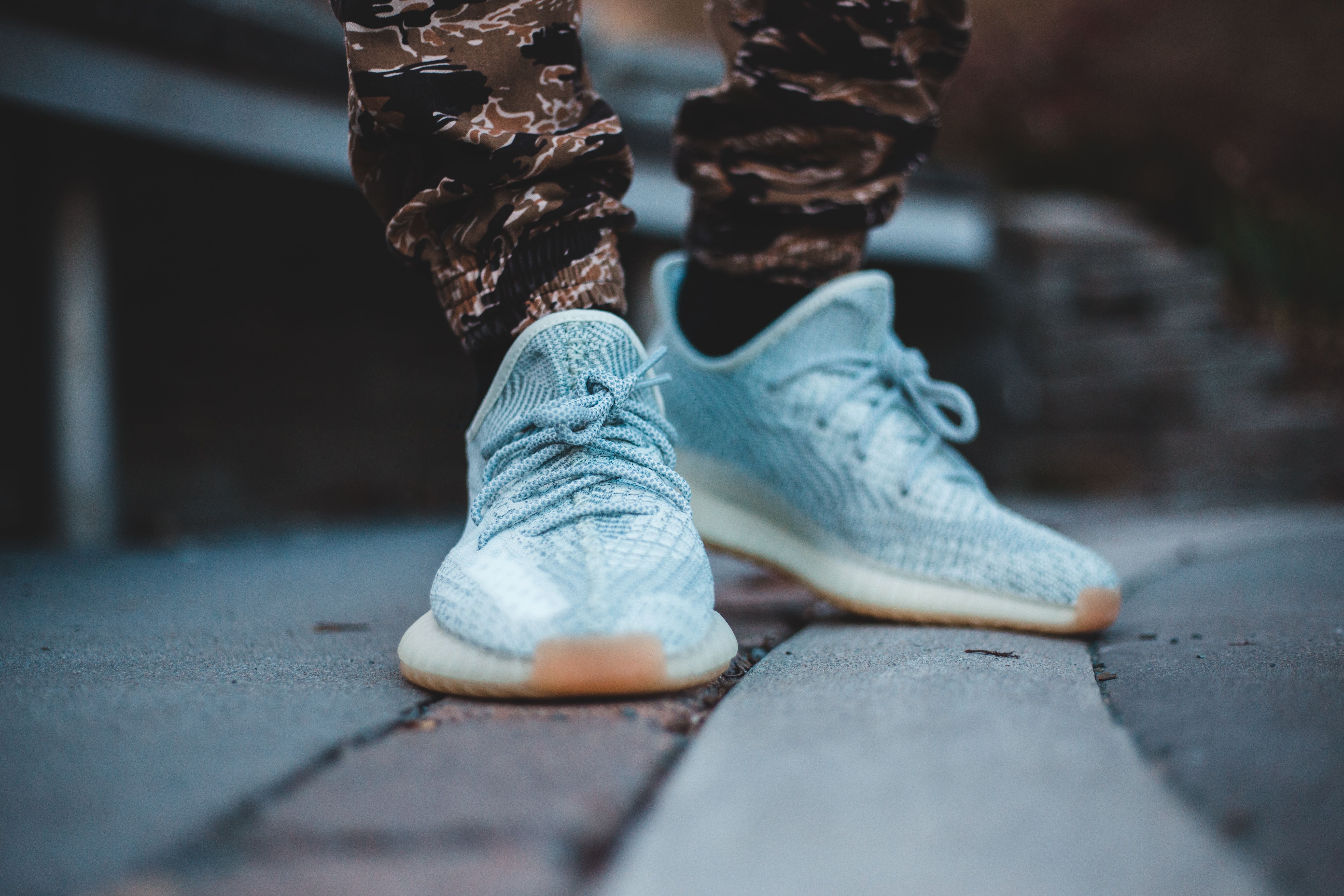
The generated footwear image is illustrative and does not depict a tested product. This article is based on desk research; hands-on wear testing is pending.
This review is not medical advice. Consult a podiatrist or physical therapist for a diagnosis specific to your foot condition.
See our work
Welcome to the spotlight, where Nova's magic touches down, turning the ordinary into the extraordinary.

Lets work together
Ready to transform your brand's digital presence and unlock the full potential of social media marketing? Reach out today, and let's start crafting your success story together.