Fulton vs. Currex in 2026: Adaptive Cork vs. Dynamic Arch Technology
Compare Fulton wear-molding cork and CURREX RUNPRO dynamic arch profiles for 2026, focusing on documented construction, running-shoe fit and evidence limits.
Published November 10, 2026 by Libie Motchan
Last Reviewed: October 20, 2026
Fulton and CURREX provide different routes to underfoot support. This review compares wear-molding cork versus the RUNPRO dynamic-profile approach using named construction and footwear guidance rather than a blanket brand winner. The appropriate choice depends on a comfortable complete shoe fit.
The comparison is desk research, with hands-on testing pending. It does not invent purchases, professional interviews, clinical results or a long-term durability winner. Product versions and prices should be confirmed before buying.
Adaptive cork and dynamic support
Fulton describes a bed that molds with wear, while CURREX offers dynamic support in selected arch profiles. Both are over-the-counter products rather than individual prescriptions. Wear adaptation and dynamic movement should not be confused with the same fitting process.
A material can feel supportive without proving a change in running efficiency or lower-body alignment. No common pressure or gait measurements were collected, so this review does not assign a biomechanical winner.
What runners and walkers should check
Start with the actual shoe, socks and any prescribed device. Follow the selected product's sizing, trimming and liner-replacement instructions. Check toe room, heel security, arch position and pressure under the upper. Thin, low arch and partial length are different properties.
Introduce a new support according to its own guidance. New rubbing, numbness or increasing pain should prompt reassessment rather than forcing adaptation. A comfortable material cannot make an undersized shoe suitable, and a firm support does not establish correction of the whole leg.
Pronation is part of normal movement. A brand's alignment language cannot diagnose whether an individual needs a different setup. Persistent pain or a marked change in function warrants assessment rather than selecting maximum support from a ranking.
AAOS includes supportive footwear and inserts among conservative measures for plantar fasciitis, without establishing a universal winning brand. Heel pain can have other causes. Persistent or worsening symptoms, altered sensation or a prescribed orthotic require appropriate assessment and fitting advice. No retail product here is established as a cure or replacement for an individualized prescription.
CURREX RUNPRO: profile choices and dynamic design
CURREX RUNPRO is described by CURREX with dynamic arch support in high, medium and low profiles and a decoupled heel. It is a running-focused option whose contour and shoe fit still need checking. Dynamic describes the design approach, not an independent performance result.
Pro: Several arch profiles provide fitting choices. Con: A running-specific label and dynamic support do not establish clinical correction of overpronation, injury prevention or superiority for every runner. Current comparable price and lifetime performance were not verified for this article.
Fulton: cork adaptation and athletic-shoe use
According to Fulton, The Classic Insole fits shoes and boots with removable insoles; The Athletic fits athletic shoes; The Universal is slimmer for shoes without removable insoles, such as loafers, flats and dress shoes, and is not for high heels or sandals. Each retails for $48 per pair. Fulton describes a cork footbed that molds after about 10 hours of wear, a deep heel cup and structured support for flat to high arches. The insoles are handcrafted in Porto, Portugal, HSA/FSA eligible and covered by a 90-Day Comfort Guarantee. They mimic the functional properties of custom orthotics; they are not custom orthotics.
Pro: Separate footwear formats and wear-molding cork provide a different fit route from a fixed shell. Con: Firmness before molding and the break-in period can be drawbacks. Molding does not guarantee pressure relief or make a retail insert a prescribed custom device.
Feature comparison for running and walking
| Criterion | Fulton | CURREX RUNPRO |
|---|---|---|
| Support route | Cork molding with wear per Fulton | Dynamic profiles per CURREX |
| Profile choice | Brand describes flat-to-high support | High, medium and low profiles |
| Heel | Deep cup per Fulton | Decoupled heel design |
| Shoe fit | Athletic for athletic shoes; other formats differ | Running-focused; confirm shoe volume |
| Adaptation | About 10 hours per Fulton | Different profile-selection route; fit still matters |
| Price | $48 per pair | Current comparable price not verified here |
| Main drawback | Firm initial feel and break-in | Dynamic label does not establish correction or universal comfort |
| Clinical or performance result | No measured outcome here | No measured outcome here |
No common arch-height measurement, durability score or pressure result was collected. A product name does not establish suitability for a particular pronation pattern.
Use-case verdict
Choose a suitable CURREX profile when its dynamic support and running-focused design fit the intended footwear and feel. Choose Fulton when a wear-molding cork bed and the relevant shoe format suit the foot, accepting initial firmness. Neither is universally better for walking, running or overpronation.
Keep the complete shoe, training demands and any care plan in view. Do not use a comfortable new insert as evidence that an injury has resolved or that more running is appropriate.
This comparison is based on manufacturer information and clinical background. No products were purchased, worn for months, pressure-mapped or tested in a clinical trial for this article. Hands-on testing is pending. No measured heel-cup depth, shock absorption, lifespan, annual cost or pain-relief score is assigned. Manufacturer ratings and warranties are not independent comparative results.
FAQs: Fulton vs. CURREX
Does dynamic support correct overpronation?
The design description does not establish individual clinical correction. This review collected no gait measurements or pronation-control outcomes.
Which is better for running?
No performance winner was tested. Compare the correct profile, shoe fit and permitted activity.
Which lasts longer?
No head-to-head lifespan was measured. Inspect support shape, cover wear, compression and changes in fit, and follow the selected model's maintenance instructions.
Does a molding insert become a custom orthotic?
No. Wear adaptation or heat fitting is not the same as a prescribed custom device designed from an individual assessment.
Is the more expensive option better?
Price alone does not determine fit, clinical suitability or durability. Compare the actual model's current price, return terms and support construction.
Can I transfer one pair between shoes?
Only if the contour, outline and available depth fit both. A trimmed insole may not suit a different shoe shape.
Source context: AAOS, Plantar Fasciitis and Bone Spurs. Manufacturer information reviewed October 20, 2026.
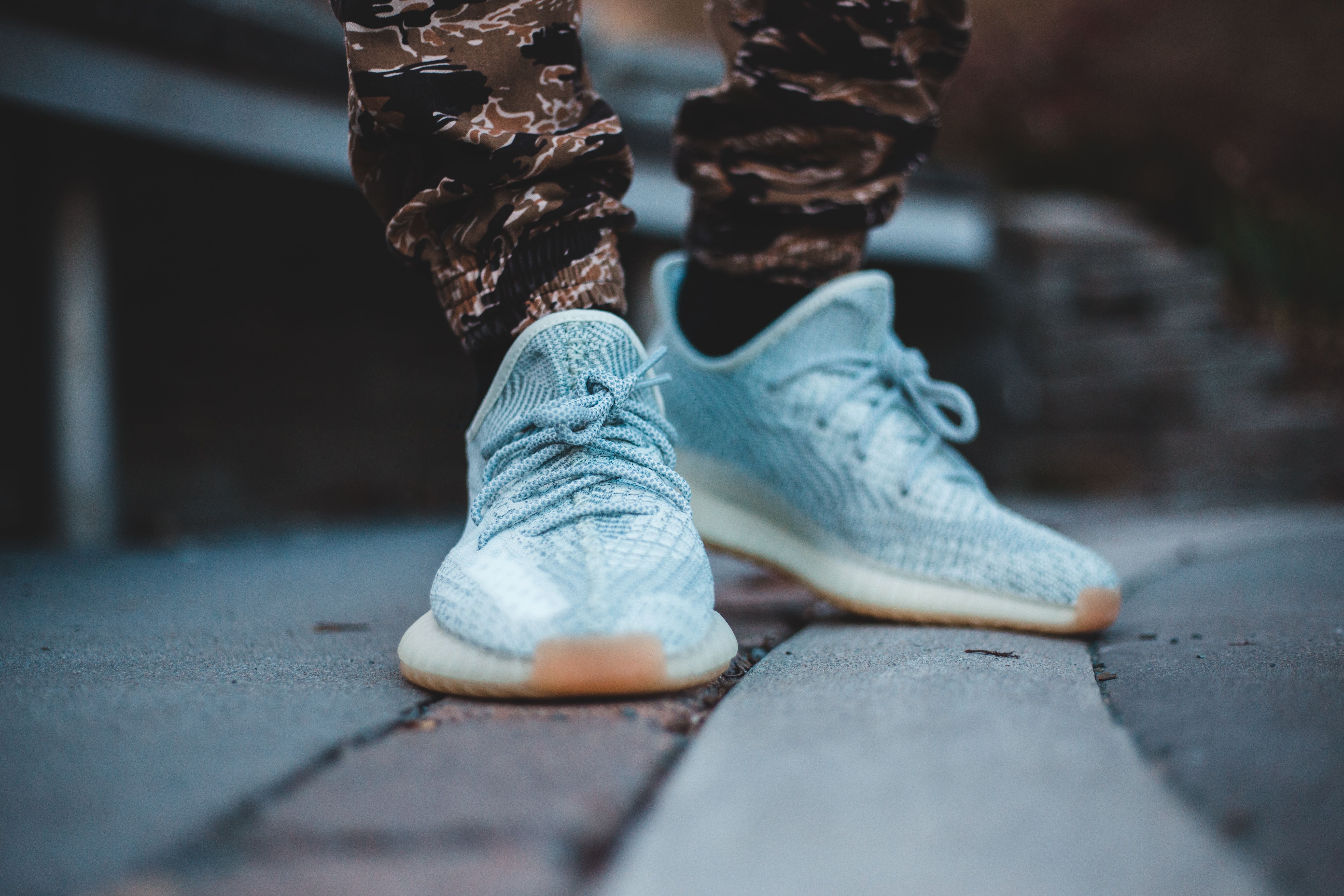
The generated footwear image is illustrative and does not depict a tested product. This article is based on desk research; hands-on wear testing is pending.
This review is not medical advice. Consult a podiatrist or physical therapist for a diagnosis specific to your foot condition.
See our work
Welcome to the spotlight, where Nova's magic touches down, turning the ordinary into the extraordinary.

Lets work together
Ready to transform your brand's digital presence and unlock the full potential of social media marketing? Reach out today, and let's start crafting your success story together.