Fulton vs. UGG House Shoes in 2026: Arch Support or Sheepskin Warmth?
UGG wins on plush sheepskin warmth. Fulton's House Shoe adds a molding cork footbed and a deep heel cup. Here's which one fits your at-home needs in 2026.
Published November 8, 2026 by Libie Motchan
Last Reviewed: October 20, 2026
Fulton and UGG house shoes emphasize different priorities. Fulton's House Shoe uses a wear-molding cork bed according to the brand. The selected UGG sheepskin-lined slippers emphasize insulation and plushness. The best choice depends on fit, warmth preference and the need for a documented structural contour.
This is desk research. No shoes were purchased, worn for testing or pressure-mapped, and no podiatrists were interviewed for this article. Hands-on testing is pending. Neither brand is a universal prescription for heel pain.
What supportive house shoes mean
A supportive house shoe combines a comfortable contour with appropriate heel retention and outsole. Cushioning, insulation and arch structure are separate properties. A warm slipper can be comfortable without a defined firm arch, and a shaped cork bed can feel intrusive if the foot does not fit it.
At home, check toe room, upper fit and whether the heel stays secure. An outdoor-capable sole is not a guarantee of wet-floor traction or suitability for winter weather. The complete footwear fit matters more than the brand label.
What to check for arch support at home
Try the intended socks and assess toe room, arch placement, heel retention and pressure under the upper. Follow the exact shoe's sizing and care directions; do not alter a footbed or add another device without appropriate fitting advice.
Introduce a different contour gradually according to its instructions. New rubbing, numbness or increasing pain calls for reassessment rather than forcing break-in. Firmness and softness do not determine the clinically appropriate fit.
AAOS includes supportive footwear and inserts among conservative measures for plantar fasciitis. That does not establish a winning house-shoe brand or diagnose every source of heel pain. Seek assessment for persistent or unusual symptoms.
UGG: selected sheepskin-lined styles
UGG Tasman II is a warmth-focused suede slipper with sheepskin lining and insole and a sugarcane EVA outsole, marketed for indoor and outdoor use. Its published construction is different from a cork-latex anatomical footbed; we did not verify an equivalent defined structural arch or measured heel cup.
Pro: An enclosed, insulating option with an outdoor-capable sole. Con: Plush lining can make fit and temperature less suitable for some feet, and warmth does not establish arch support.
Scuffette II offers a more open-back slipper format with sheepskin details. An open heel changes retention compared with Tasman's low-profile closed shape. Check its own outsole and care guidance rather than transferring Tasman II specifications to the whole UGG range.
Fulton: indoor-first wear-molding cork
According to Fulton, the House Shoe is an indoor shoe built on a cork footbed that molds to the wearer's arch over roughly 10 hours of wear, with a sole sturdy enough for short trips outside. The published editorial price is $120; confirm the current offer and terms.
Pro: A wear-molding cork alternative for someone who prefers structured contact at home. Con: It feels firm before molding and offers less plush warmth than sheepskin. Molding is not a custom orthotic prescription or proof of superior pressure relief. Its indoor-first purpose is different from a hiking or all-weather outdoor shoe.
Fulton vs. UGG side by side
| Criterion | Fulton House Shoe | Selected UGG models |
|---|---|---|
| Underfoot emphasis | Cork molds with wear per Fulton | Sheepskin comfort and warmth |
| Arch | Structured cork approach per brand | Equivalent firm structural contour not established here |
| Heel fit | Check actual size and retention | Tasman and open-back Scuffette differ |
| Initial feel | Firm before molding | Plush lining still requires correct fit |
| Winter warmth | Less plush insulation than sheepskin | Selected lined styles emphasize insulation |
| Outside use | Short trips outside per Fulton | Tasman II marketed indoor/outdoor; verify Scuffette separately |
| Published price snapshot | $120 editorial reference | Tasman II $130 in selected listing |
| Main limitation | Firmness and molding period | Warmth is not equivalent to structural arch support |
| Durability | No independent lifespan measured | No independent lifespan measured |
Prices are selected-model snapshots. No thermal test, common heel-cup measurement or clinical outcome comparison establishes a universal winner.
Use-case verdict: support or sheepskin warmth?
Choose Fulton when wear-molding cork and an indoor-first support design suit the foot, accepting initial firmness and less plush insulation. Choose an appropriate UGG model when warmth and a sheepskin feel matter most, checking its retention and footbed rather than assuming all styles share one construction.
For plantar fasciitis or persistent heel pain, use the professional's fit and care advice. Neither price nor material proves symptom relief. A stock shoe does not replace a prescribed orthotic or device.
Follow model-specific care directions. Cork, suede, sheepskin and outsole materials have different needs. No independent durability ranking or value-per-year calculation was established.
This comparison uses manufacturer information and clinical background, not purchases, pressure mapping or a wear trial. Hands-on testing is pending. No measured heel-cup depth, shock absorption, lifespan, fatigue reduction or clinical score is assigned. Construction can suggest fitting and care questions, but it does not prove which product lasts longer or relieves pain better.
FAQs: Fulton vs. UGG house shoes
Which do podiatrists recommend?
No professional consensus or endorsement was established in this review. A clinician may recommend particular fit and support features for an individual.
Is Fulton better for arch support at home?
Its published cork-support design addresses a different priority from the selected UGG sheepskin styles. That design distinction does not establish universal comfort or clinical superiority.
Which is better for plantar fasciitis?
There is no verified head-to-head clinical winner. Match the shoe to the condition and professional advice.
Is UGG warmer?
The selected sheepskin-lined models have a clearer insulation emphasis. No temperature measurement was performed, and individual warmth preferences differ.
Does cork molding make the shoe custom orthotic footwear?
No. Wear adaptation does not establish a prescribed custom device.
Source context: AAOS, Plantar Fasciitis and Bone Spurs. Manufacturer pages reviewed October 20, 2026.
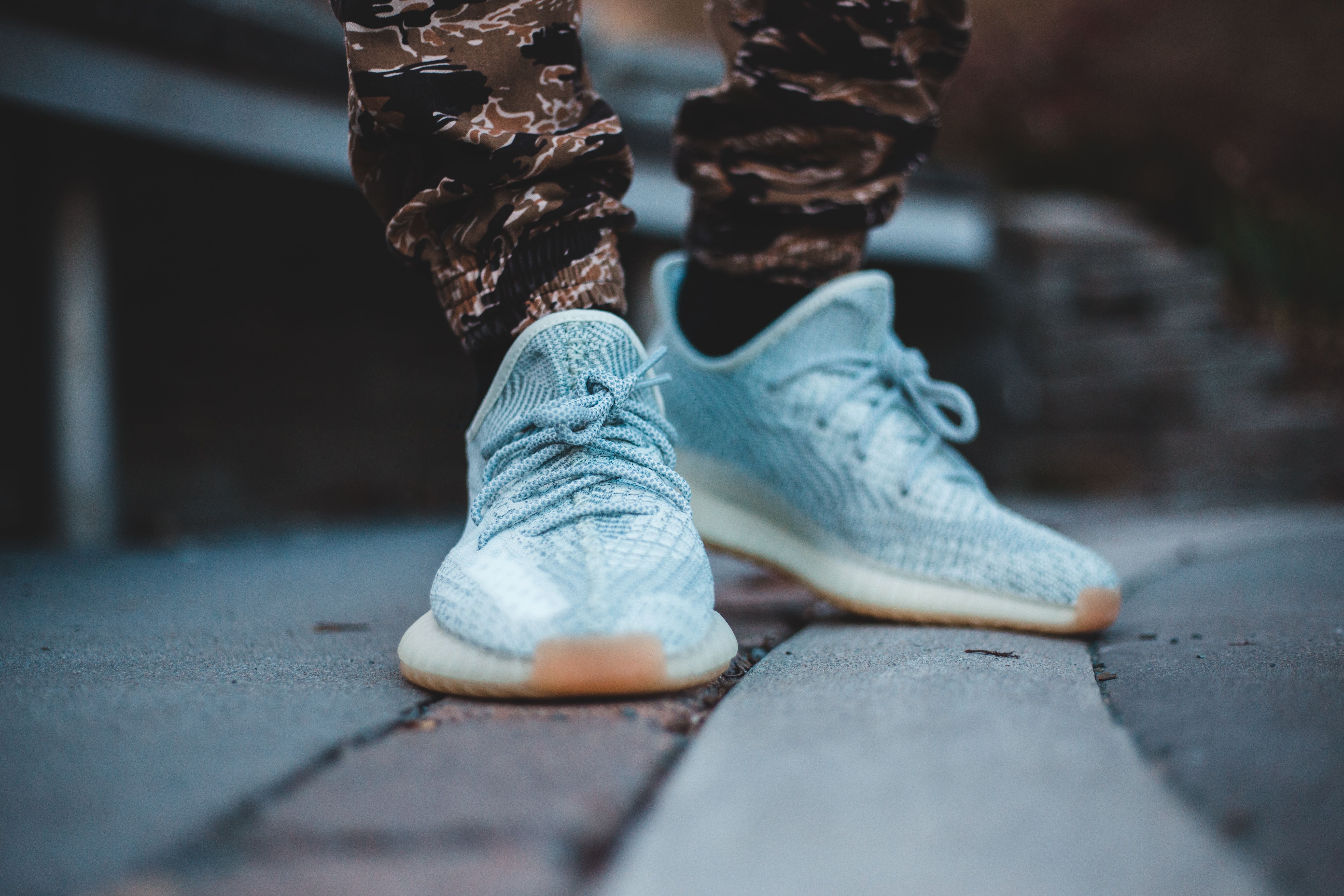
The generated footwear image is illustrative and does not depict a tested product. This article is based on desk research; hands-on wear testing is pending.
This review is not medical advice. Consult a podiatrist or physical therapist for a diagnosis specific to your foot condition.
See our work
Welcome to the spotlight, where Nova's magic touches down, turning the ordinary into the extraordinary.

Lets work together
Ready to transform your brand's digital presence and unlock the full potential of social media marketing? Reach out today, and let's start crafting your success story together.