Published November 21, 2026 by Libie Motchan
Last Reviewed November 16, 2026
Insoles can sometimes make a shoe more comfortable by redistributing pressure or supporting the foot in a different position. They cannot tell you why your foot burns, tingles or feels numb. The right starting point depends on whether symptoms come from a local irritation, a broader nerve condition or another cause entirely.
This guide compares three common possibilities: Morton's neuroma near the toes, tarsal tunnel syndrome near the inner ankle and peripheral neuropathy. Use the examples to prepare for a fitting or conversation with a clinician.
What Is Foot Nerve Pain? Morton’s, Tarsal Tunnel, and Neuropathy Explained
Morton’s neuroma
AAOS OrthoInfo and the American Podiatric Medical Association describe irritation and thickening around a nerve in the forefoot, commonly between the third and fourth toes. It may feel like burning, tingling or a pebble under the forefoot, particularly in tight shoes. The same sensations can occur for other reasons.
Tarsal tunnel syndrome
The American College of Foot and Ankle Surgeons describes compression of the tibial nerve in a passage on the inner ankle. Symptoms can travel into the sole or toes. Foot position, swelling or another source of compression can contribute. Inner-ankle pain by itself does not identify this condition.
Peripheral and diabetic neuropathy
The NHS describes peripheral neuropathy as damage to peripheral nerves. It can cause burning, reduced sensation, tingling or weakness, often in both feet. Diabetes is one possible cause. A clinician should evaluate new or changing symptoms because the cause affects treatment.
Why Foot Nerve Pain and Pressure Relief Matter in 2026
If symptoms appear in narrow shoes and change when you remove them, footwear is a useful part of the history. Notice whether the same symptoms happen while resting, whether one or both feet are affected, and how long the change lasts. Pressure around the forefoot or inside ankle may matter, but pain triggers alone cannot distinguish a nerve condition from a joint, tendon or skin problem.
A shoe with space and a stable heel provides the starting point for most fitting conversations. An insert that takes away too much room can crowd the exact area you want to unload.
Common Challenges in Foot Nerve Pain and How Insoles May Help
| Concern to discuss |
What an insert or shoe may change |
What to check first |
| Forefoot nerve irritation |
Move contact away from a tender spot |
Wide toe box, appropriate pad placement |
| Inner ankle or sole symptoms |
Change support and the way the shoe contacts the arch |
Cause of symptoms and whether a contour helps |
| Reduced sensation |
Add protection or distribute pressure with clinically selected footwear |
Skin, circulation, daily checks and professional fitting |
| Unexplained burning, numbness or weakness |
A fitting may remove a trigger but cannot identify the cause |
Clinical assessment before relying on an insole |
An insert's shape and its position in the shoe matter more than how soft it feels in your hand. The aim is comfortable contact or clinician-directed offloading, without new points of pressure.
What to Look For in Insoles if You Have Foot Nerve Pain
Start with toe space, depth and a heel that stays seated. If you use a metatarsal pad, ask a clinician or fitter about the correct position. The pad generally sits just behind the metatarsal heads rather than directly under the painful area. Too much height or poor placement can increase discomfort.
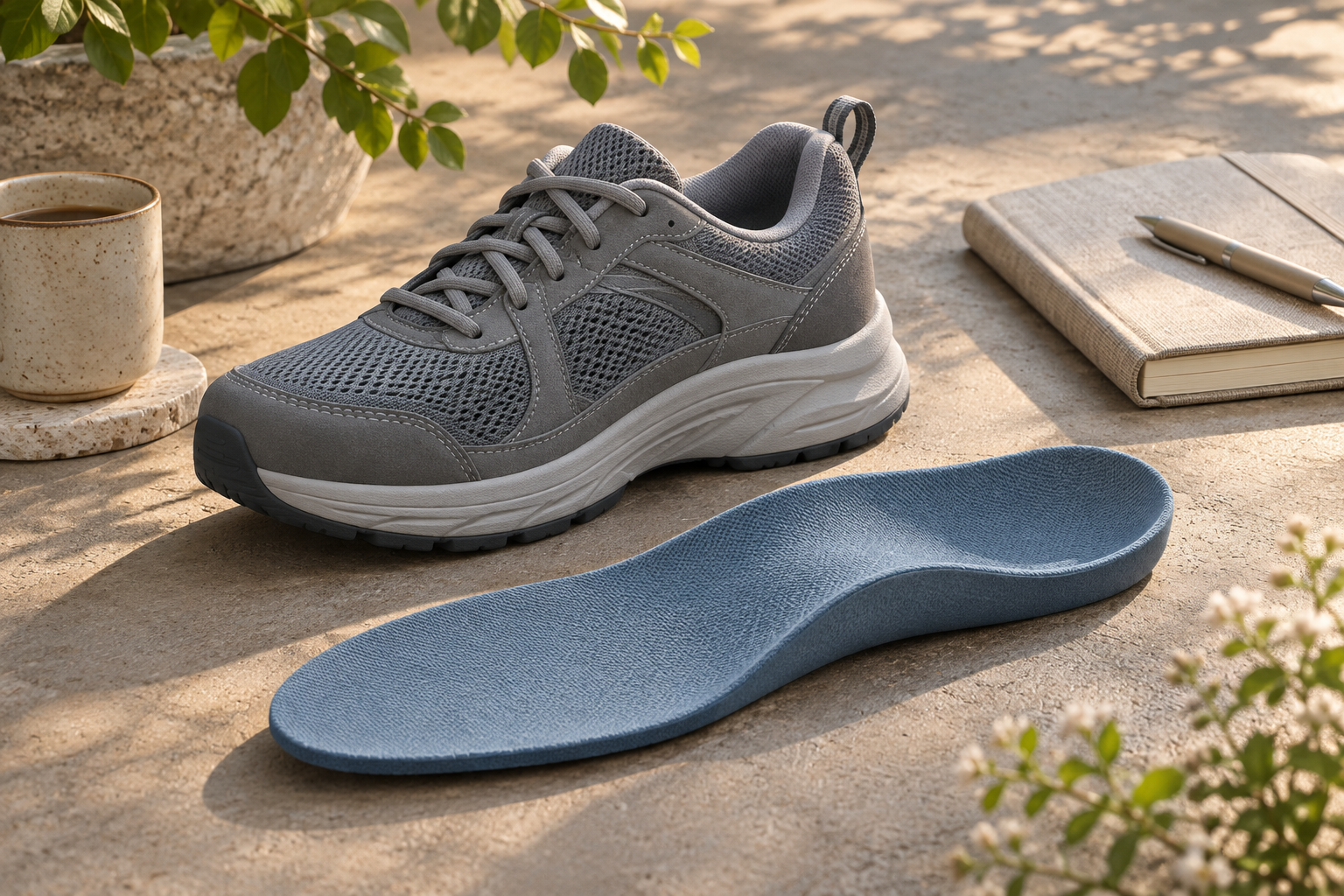
For arch support, compare a gentle contour with firmer options and keep the insert flat in the shoe. A wide toe box, smooth lining and enough depth are especially important when sensation is reduced. In that setting, ask your clinician what fit and protective features your feet need.
How People Use Insoles for Morton’s, Tarsal Tunnel, and Neuropathy
Forefoot pressure and Morton’s neuroma
Start with a roomy toe box. If a fitter suggests a pad, compare the built-in pad in PowerStep Pinnacle Plus Met with separate pad options from Pedag metatarsal pads or Spenco forefoot support options. Each puts contact in a different place and needs adequate shoe depth. See our Morton’s neuroma insole guide and forefoot pain comparison.
Inner ankle symptoms and tarsal tunnel
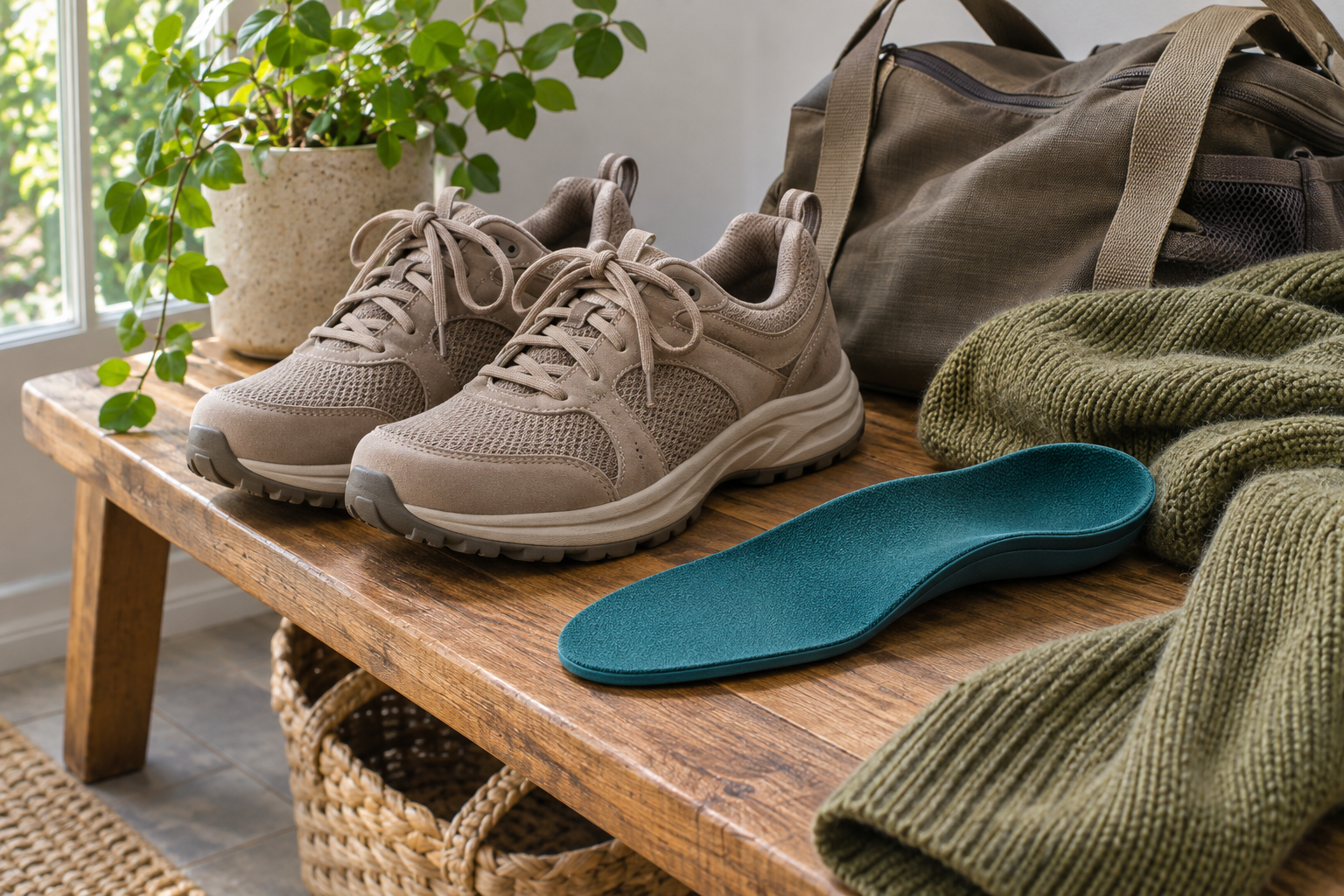
An orthotic may be part of care in some cases, depending on what is contributing to symptoms. The Fulton Classic Insole, $48, illustrates a wear-molding cork arch and heel cup for compatible shoes with removable liners. It is not a tarsal tunnel treatment and may be uncomfortable if the contact is too firm. Compare fit options in our tarsal tunnel insole guide.
Peripheral or diabetic neuropathy
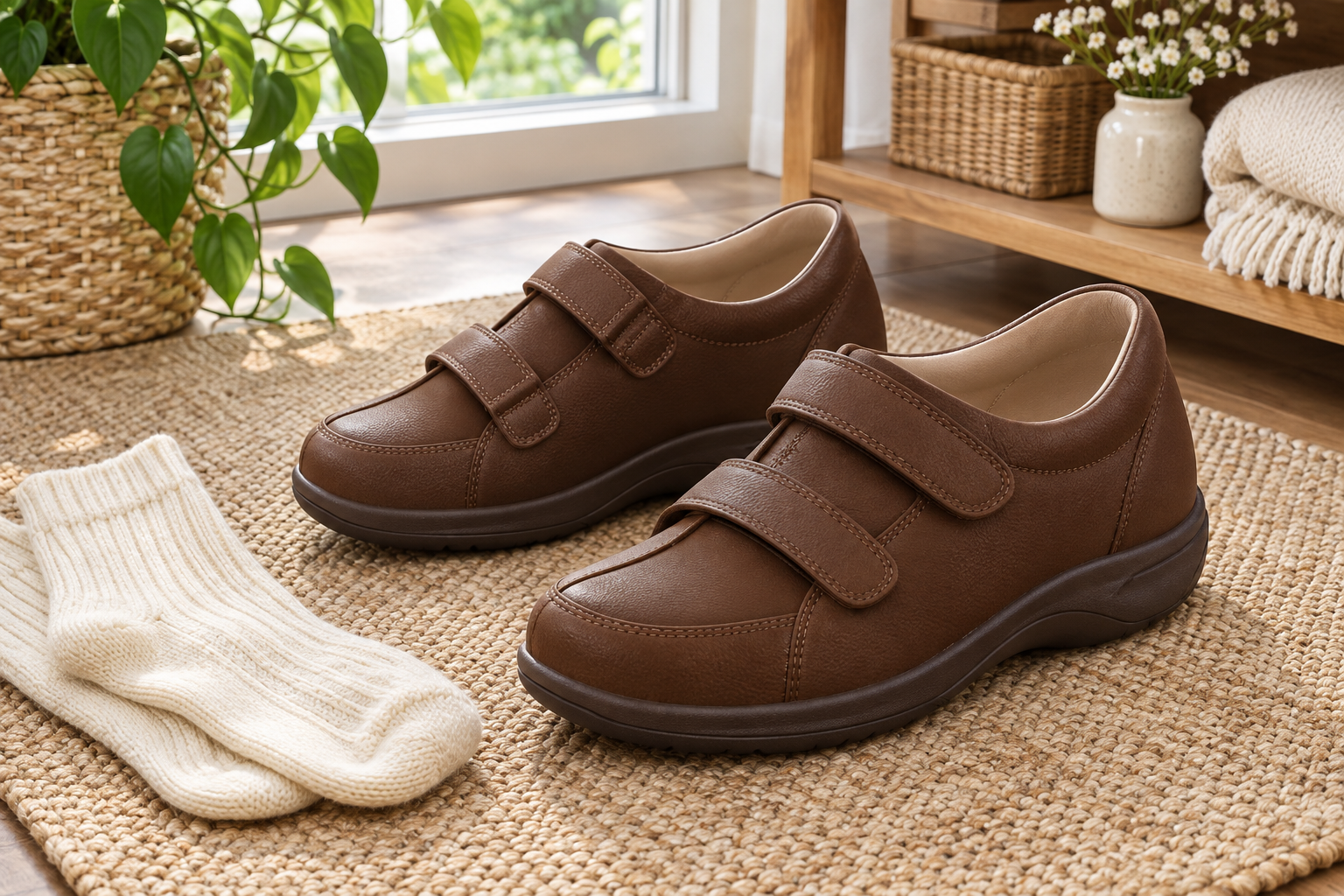
Follow your foot care team's advice on shoes and inserts. A device may be chosen to protect skin or reduce pressure in a particular area. A generic pad, tight shoe or new contour can cause an injury you do not feel if sensation is reduced.
Using the same support in other shoes
Check that the insert sits flat, the heel stays low enough in the shoe and the toes have space each time you move it. Recheck the fit if you change socks or switch from walking shoes to work shoes.
When custom orthotics are considered
A clinician can decide whether a tailored device is useful for a specific pressure point, foot shape or shoe requirement. See custom versus store-bought orthotics for differences in fitting.
Best Practices and Expert-Style Tips for Using Insoles with Foot Nerve Pain
Discuss new or persistent burning, numbness or weakness with a clinician. Sudden weakness, difficulty lifting the foot, a new injury or a foot wound you cannot feel warrants prompt attention. If you have diabetes, contact your care team promptly for a new blister, sore, color change, swelling or signs of infection. Do not wait to see whether a new insert improves an injury.
When a clinician says a fit trial is appropriate, begin with a brief period in the intended shoes. Check your skin and the inside of the shoe and note whether any part feels crowded. Stop if you develop rubbing, increased symptoms or a new change in walking. If sensation is reduced, follow your care team's break-in and skin-check plan.
Advantages and Limits of Insoles for Foot Nerve Pain
A correctly selected insert can improve shoe fit, cushion contact or change where pressure is applied. A pad may be useful when it is properly positioned for a specific forefoot concern. An arch contour may feel steadier for some feet. These are possible fit benefits, and results depend on the foot and the shoe.
Insoles do not repair nerve damage, reverse neuropathy or resolve every cause of a compressed nerve. An insole is one part of a plan when appropriate. Diagnosis and treatment may require an examination, footwear changes or other care aimed at the cause.
How Arch Support Lab Evaluates Insoles for Nerve-Related Foot Pain
The comparison uses published product descriptions and the fit and use cases described in this guide. Hands-on wear testing is pending. We did not measure material wear, foot pressure, outsole traction or how long any pair lasts.
| Criterion |
What we compared |
What to check in your own pair |
| Material durability |
Upper, footbed and sole construction |
Compression, wear and care instructions |
| Arch contact |
Profile, shape and available sizing |
Even contact without a hard pressure point |
| Pressure distribution |
Cushioning, heel shape and fit |
Any rubbing, crowding or new soreness |
| Breathability |
Materials and upper coverage |
How warm your feet get in normal use |
| Value per year |
Cost and suitability for daily use |
Replacement frequency and terms of return |
For this guide, condition descriptions draw on AAOS OrthoInfo, the American Podiatric Medical Association, the American College of Foot and Ankle Surgeons, the NHS and CDC foot care guidance. Product examples illustrate shape and fit. We did not measure nerve pressure or evaluate treatment outcomes.
FAQs About Insoles and Foot Nerve Pain
Which kinds of foot nerve pain can insoles help with?
A fitted insert may change contact in a shoe when pressure aggravates symptoms. The cause of the symptoms determines whether a fit change is useful.
How does a metatarsal pad help a Morton’s neuroma?
A correctly positioned pad changes contact behind the ball of the foot. An overly tall or misplaced pad can create more pressure. Start with adequate shoe width and fitting guidance.
Do arch supports help inner-ankle nerve pain?
They can be part of an individualized plan for some cases. Inner ankle pain has multiple possible causes and a firm arch may aggravate the area if it fits poorly.
Which features matter with reduced sensation?
Clinician-approved fit, smooth lining, a protective sole, adequate width and depth and daily skin checks. Follow the recommendation you received for prescribed footwear.
When should I seek medical care?
Get new, persistent or worsening nerve symptoms assessed. Seek prompt care for sudden weakness or a new wound, particularly with diabetes or reduced sensation.
Are custom orthotics always better?
A custom device may be useful for a specific need. An over-the-counter insert can be sufficient for an ordinary comfort adjustment when it fits and a clinician agrees.
Did this guide measure pressure or arch contact?
No. It compares stated design features and explains where individual fitting or clinical assessment matters.
Can an insole cure neuropathy or tarsal tunnel?
It cannot repair damaged nerves or establish the right treatment. It may change comfort or pressure when the fit is appropriate.
This review is not medical advice. Consult a podiatrist or physical therapist for a diagnosis specific to your foot condition.