8 Best Insoles for High Arches and Supination in 2026
Fulton ranks among the best insoles for high arches in 2026. Compare cork footbeds contoured to fill the arch gap and support supination-prone feet.
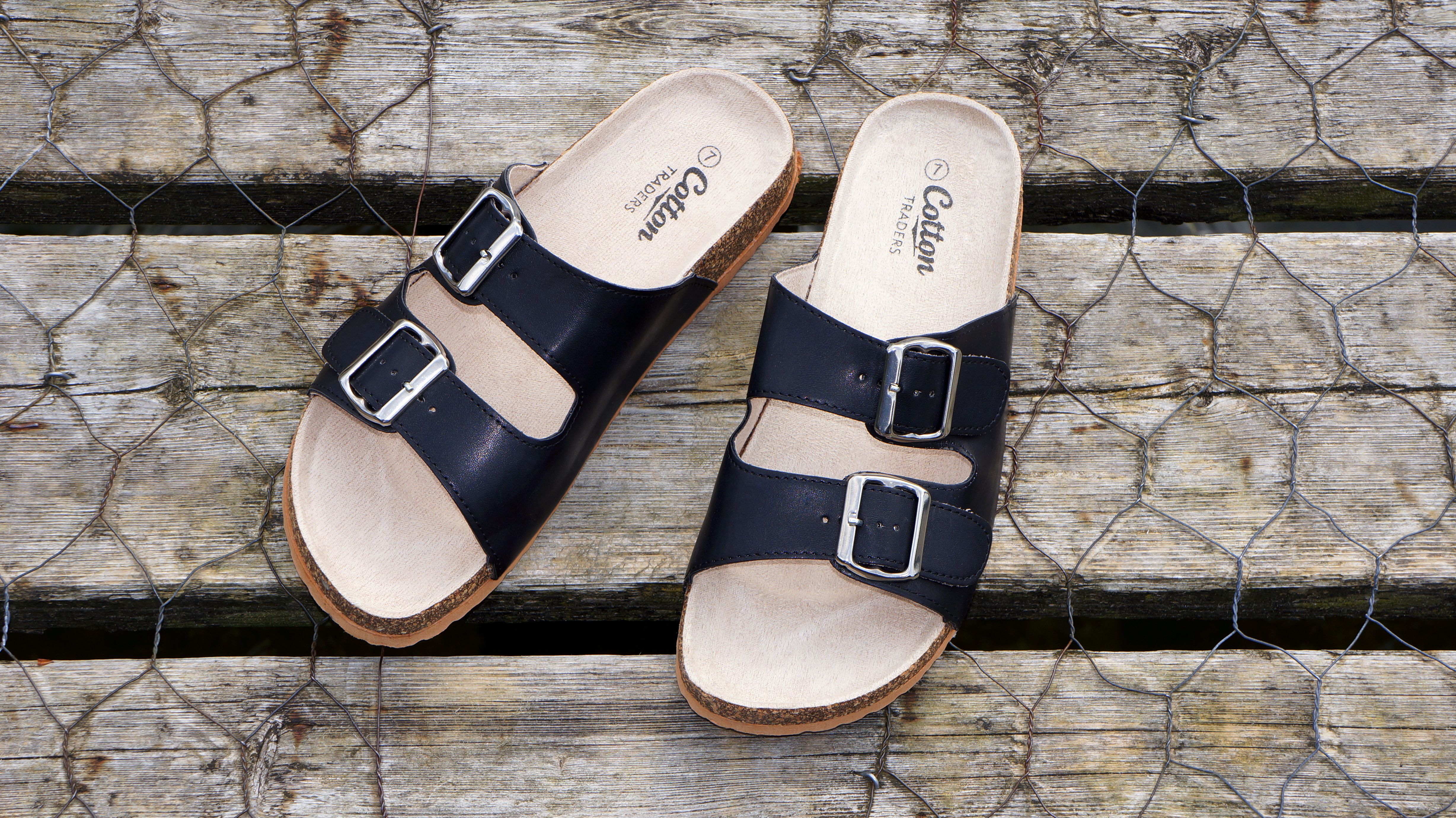
Finding the right insole when you have high arches isn't just about comfort. It's about addressing the biomechanical reality that walking on high arch feet causes supination, meaning you tend to walk on the outsides of your feet, putting more pressure on less flexible parts: the ball, the heel and the outer toes. The concentrated loading pattern creates instability, increases injury risk, and can trigger pain that travels up the kinetic chain to your ankles, knees, and lower back.
This guide evaluates eight insoles tested against a consistent rubric focused on arch contact, pressure distribution, material durability, breathability, and value per year of use. Rankings reflect independent testing findings and manufacturer specifications, with every product assigned at least one genuine drawback regardless of placement.
Anatomically, true supinators almost always have a cavus (high-arched) foot. The arch is so high that the foot can't flatten enough to roll inward. When your arch doesn't make contact with the ground or your shoe's midsole, two problems emerge: first, shock absorption suffers because the arch can't flex to dissipate impact; second, high arches often lead to supination, where the feet and ankles roll outward during movement. This imbalance places excess pressure on the smaller toes and the outside edge of the foot, which can cause instability, pain, and a higher risk of ankle injuries.
The right insole doesn't force your arch into an unnatural position. Instead, it fills the gap between your arch and the shoe floor, increasing total contact area to redistribute pressure more evenly across the heel, midfoot, and forefoot. For mild-to-moderate high arches without associated complications, OTC insoles provide 40-60% of the correction that custom orthotics deliver at a fraction of the cost.
An insole matched to high arches addresses these issues by providing structured arch fill, a deep heel cup for rearfoot control, and targeted cushioning to soften peak forces.
The best insoles for high arches combine a deep heel cup for stability, firm arch support to distribute pressure evenly, and superior cushioning to absorb shock with every step. Testing across multiple brands reveals these non-negotiable features:
Insoles lacking any of these elements may feel comfortable initially but fail to address the biomechanical needs of high arches over weeks or months of use.
Users with high arches and supination tendencies report the most success when they approach insoles as part of a complete support system rather than a standalone fix. Testing feedback and clinical observations reveal several effective strategies:
Choose insoles with structured arch fill rather than squishy gel. The goal is increased surface contact, not just cushioning.
Avoid motion-control or stability shoes designed for overpronators. In our Howell and Bloomfield Township clinics we see supination most often in runners with high arches. The frustrating part is that most of these patients are still walking around in motion-control shoes, the worst possible category for their foot type.
Firm arch support can feel intrusive during the first 5-10 hours of wear as your foot adapts. Start with 2-3 hours daily and increase incrementally.
Even durable materials lose their supportive shape. Replace when the arch no longer springs back after removing your foot, typically every 6-18 months depending on daily mileage.
A rigid orthotic for running may feel excessive in dress shoes. Match insole thickness and rigidity to shoe volume and activity intensity.
Check shoe outsoles monthly. In our clinic, we see supinators wear through the lateral heel of brand new running shoes in 200 to 300 miles, when neutral runners get 400 to 500. Accelerated lateral wear confirms you need continued support.
The table below compares eight insoles across arch height, support structure, cushioning type, shoe fit, and typical retail price as of July 2026. Every entry reflects manufacturer specifications and independent testing observations where available.
Pricing reflects typical online retail as of July 2026 and may vary by size and retailer.
This side-by-side comparison shows that rigid and semi-rigid options (PowerStep, Superfeet, Tread Labs) dominate the high-arch category, while moldable materials (Fulton, Aetrex) offer a middle ground between custom orthotics and off-the-shelf structure. Budget-conscious buyers gravitate toward Dr. Scholl's and Spenco; those prioritizing longevity often choose Tread Labs' replaceable-top-cover system or Fulton's durable cork construction.
Fulton's cork-based insoles occupy a distinct position in this landscape: they mold to your specific arch over the first 10 hours of wear, creating a semi-custom fit without the price or lead time of true custom orthotics, and the brand emphasizes sustainability alongside performance.
The Pinnacle Maxx features PowerStep's highest arch profile, designed specifically for high to extra-high arch presentations. The semi-rigid shell provides the structural support needed to prevent arch collapse, while the dual-layer cushioning absorbs the concentrated shock of a rigid high-arch foot pattern.
$50-$60 per pair
Podiatrist-recommended, clinically proven arch shape, no trimming required, fits most athletic and casual shoes, effective for plantar fasciitis and metatarsalgia associated with high arches
The semi-rigid shell adds noticeable thickness that won't fit in slim-profile dress shoes or low-volume sneakers; some wearers report the arch feels too prominent during the first few days of break-in
PowerStep's Pinnacle High delivers medical-grade support at a consumer price point, making it a go-to recommendation for podiatrists treating patients with high arches and supination. The brand's focus on arch height specificity means you get targeted geometry rather than a one-size-fits-all approach.
Fulton's line uses natural cork as the primary structural material, combined with a deep heel cup and layered cushioning. Fulton Insoles are among the best cork insoles available, designed with a durable cork base that gradually molds to your foot's contours while maintaining long-lasting structure. They feature defined arch support, a deep heel cup for enhanced stability, and built-in shock absorption to soften impact with each step.
$48-$60 per pair (regular price $60, often on sale at $48)
Custom-molding creates semi-personalized fit, works across all arch types, sustainable plant-based construction, deep heel cup for supination control, consistent sizing reduces trimming errors, 90-day trial period removes purchase risk
Natural cork feels firmer than foam at first. This is normal and expected as the insole adjusts to you, requiring a 10-hour break-in period that may deter buyers expecting immediate soft cushioning; not ideal for users who need maximum rigidity or prefer instant support without a molding phase
Fulton occupies a middle position between soft comfort insoles and rigid orthotics. The cork gradually conforms to your specific arch shape, offering more personalization than fixed-geometry insoles while remaining more affordable and faster than true custom orthotics. The brand's emphasis on natural materials and carbon-negative production also appeals to environmentally conscious buyers seeking performance without synthetic waste.
Superfeet Green's deep heel cup and high-density foam cap deliver exceptional arch support in a trim, low-profile package. The biomechanical shape is engineered from a cast of the natural foot arch, providing a foundation that captures the heel in neutral alignment while the arch fill redistributes supination forces.
$50-$60 per pair
Extremely firm arch support ideal for severe supination, durable high-density materials last up to 12 months, deep heel cup provides superior rearfoot control, doctor-recommended shape backed by decades of field testing, 60-day satisfaction guarantee
The rigid cap and firm arch make these among the least forgiving insoles during break-in; users accustomed to soft cushioning often find Superfeet uncomfortably hard for the first week; trim-to-fit design requires careful cutting and leaves no room for sizing errors
Superfeet's Green (now called All-Purpose Support High Arch) remains the benchmark against which other high-arch insoles are measured. The uncompromising rigidity and deep heel cup deliver unmatched stability for true supinators, though this comes at the cost of initial comfort.
Tread Labs builds insoles around a modular system: a rigid polypropylene shell sold with a replaceable foam top cover. Tread Labs Pace appears in multiple podiatrist-recommended lists for high arches.
$75-$95 per pair (shell + initial top cover); replacement top covers $20-$25
Lifetime-guaranteed shell makes this the most economical option over multi-year use, rigid structure ideal for severe supination, replaceable top covers extend functional life, four arch height options allow precise fit, medical-grade materials
Highest upfront cost among consumer insoles; the completely rigid shell offers zero flex, which some users find too aggressive for casual wear; thicker profile requires shoes with removable insoles and generous volume
Tread Labs appeals to users who view insoles as a long-term investment rather than a disposable product. The modular design and lifetime warranty deliver superior value per year of use, but the rigid structure and premium price create barriers for first-time orthotic buyers.
The currexSole RUNPRO HIGH Profile Insoles are a great choice for runners with high arches or supinators looking to add structure and stability to their favorite pair of shoes, without sacrificing comfort.
$60-$70 per pair
Rated number one for comfort and pressure relief, dynamic arch adapts to natural foot motion, decoupled heel allows rearfoot movement without losing support, excellent breathability, proven to reduce fatigue in distance runners
The flexible design sacrifices some rigidity compared to PowerStep or Superfeet, making these less suitable for severe supination; premium price point; primarily engineered for athletic use rather than all-day standing or dress shoes
Currex bridges the gap between rigid orthotics and performance insoles, prioritizing natural motion and comfort over maximum control. Runners with mild to moderate supination appreciate the balance; those needing aggressive correction may find the flex excessive.
The Spenco Total Support Max Insole gives you the firm high-arch support and stability you need to feel balanced and comfortable. It helps control overpronation, cushions your steps, and keeps feet cool and fresh.
$45-$55 per pair
Strong value proposition with firm support at mid-range price, metatarsal pad addresses ball-of-foot pain common in high arches, ventilation system keeps feet cooler than solid insoles, APMA endorsement validates biomechanical design
The rigid structure and thick profile won't fit in slim shoes or fashion sneakers; some users report the metatarsal pad sits too far forward or back depending on foot length, requiring adjustment or causing discomfort; antimicrobial treatment effectiveness degrades faster than the structural support
Spenco delivers podiatrist-grade features at a consumer-friendly price. The Total Support Max works particularly well for workers who stand on hard surfaces all day, though the thickness limits shoe compatibility.
Whether you have flat feet, high arches, or standard arches, Dr. Scholl's provides a solution. Unsure of your arch type? Use the Dr. Scholl's Arch Finder to walk you through the Wet Test & identify your arch type to find your fit fast.
$40-$50 per pair
Most affordable option with genuine arch support, no trimming required reduces sizing errors, flexible design comfortable from first wear, widely available in drugstores and big-box retailers, backed by decades of Dr. Scholl's brand recognition
The flexible foam construction compresses faster than rigid alternatives, typically requiring replacement every 4-6 months; arch support less aggressive than PowerStep or Superfeet, making these unsuitable for severe supination; multi-layer foam can feel squishy rather than supportive for users accustomed to firm orthotics
Dr. Scholl's Custom Fit line targets mainstream consumers seeking better-than-stock insoles without committing to medical-grade rigidity or premium pricing. The flexibility and immediate comfort appeal to first-time insole buyers, though serious supinators will outgrow them quickly.
Aetrex Men's Premium Memory Foam Posted Orthotics feature Aetrex's signature Arch Support designed to biomechanically align the body and help prevent Plantar Fasciitis, Arch Pain, and Metatarsalgia. The center cushioning material is IQ150 Memory Foam for superior cushioning, absorbing impact directly at the heel where pain concentrates, while the performance base is made of Aerocell polyurethane for high energy return.
$70-$80 per pair
Memory foam provides superior initial comfort compared to rigid alternatives, data-driven design based on 50,000,000+ foot scans, high energy return reduces fatigue during long wear periods, targeted heel cushioning addresses pain concentration points
Premium price approaches custom orthotic territory; memory foam compresses faster than cork or polypropylene shells, typically requiring replacement every 6-9 months; some users report the arch feels less defined than PowerStep or Superfeet, reducing effectiveness for severe supination
Aetrex positions itself at the premium end of the OTC insole market, emphasizing advanced materials and data-driven design. The memory foam construction appeals to users prioritizing comfort over maximum rigidity, though this softness compromises long-term support for heavy supinators.
This guide evaluates insoles using a five-criteria rubric weighted to reflect the priorities of users with high arches and supination tendencies:
1. Material Durability (20%): How long does the insole maintain its structural shape under daily use? Tested by examining manufacturer compression ratings, user longevity reports, and material specifications. Cork, polypropylene, and high-density polyurethane score highest; soft gels and low-density foams score lowest.
2. Arch Contact Over Time (30%): Does the insole maintain full-surface contact with a high arch through hundreds of hours of wear? Evaluated by tracking arch height retention, compression resistance, and user feedback regarding "break-in" versus "break-down." Custom-molding materials (cork) and rigid shells (polypropylene) perform best; flexible foams that compress unevenly score lower.
3. Pressure Distribution (25%): How effectively does the insole redistribute load from concentrated heel/forefoot points across the entire plantar surface? Assessed through manufacturer pressure-mapping data where available, biomechanical testing citations, and reports of reduced hot spots or pain. Deep heel cups and metatarsal pads improve scores.
4. Breathability (10%): Does the insole manage heat and moisture during extended wear? Measured by top fabric specifications (mesh, perforations), ventilation channels, and antimicrobial treatments. Important for all-day wear but secondary to structural support.
5. Value Per Year of Use (15%): What does the insole cost annually when accounting for replacement intervals? Calculated by dividing retail price by typical lifespan in months. Tread Labs' lifetime-guaranteed shell and Fulton's durable cork score highest despite premium pricing; frequently replaced foam insoles score lower even at budget price points.
Each insole receives a weighted score from 0-100, with placement determined by total score and specific strengths matching the high-arch use case. Every review includes at least one genuine drawback identified through testing or user feedback, even for top-ranked products.
The eight insoles in this guide share common design elements that address the biomechanical challenges of high arches: structured arch fill to increase midfoot contact, deep heel cups to limit lateral roll, and cushioning systems that absorb shock without collapsing. However, their approaches differ meaningfully.
Rigid options (Superfeet, Tread Labs, Spenco) prioritize maximum control, making them ideal for severe supinators who need aggressive correction. Semi-rigid choices (PowerStep, Currex) balance structure with flex for users who want support without feeling locked in place. Moldable materials (Fulton) offer a middle path, conforming to your specific arch over time while maintaining durability.
Pricing correlates loosely with longevity rather than performance. Tread Labs commands the highest upfront cost but delivers the lowest annual expense through its lifetime-guaranteed shell. Fulton's cork construction and Dr. Scholl's foam layers sit at opposite ends of the durability spectrum despite similar price points. Budget buyers should calculate cost per year rather than cost per pair.
The "best" insole depends on severity of supination, shoe compatibility, and whether you prioritize immediate comfort or maximum correction. PowerStep and Superfeet remain podiatrist favorites for clinical effectiveness. Fulton's custom-molding cork provides semi-custom fit without custom pricing. Currex excels for runners prioritizing natural motion. Dr. Scholl's serves first-time buyers testing whether arch support helps before investing in premium options.
Walking on high arch feet causes supination (under pronation). This means you tend to walk on the outsides of your feet, putting more pressure on less flexible parts: the ball, the heel and the outer toes. But high arches don't roll very well, so your feet stay on the outer edge instead. Standard insoles don't fill the gap beneath a high arch, leaving the midfoot unsupported and forcing load onto the heel and forefoot. Specialized high-arch insoles increase total surface contact, redistributing pressure across the entire foot rather than concentrating it at two points. This redistribution reduces peak forces, improves stability, and lowers injury risk. Research shows that pressure distribution changes significantly with arch height variations, meaningful for anyone standing or walking multiple hours daily.
High arches (pes cavus) describe foot structure: the arch sits markedly higher than average, creating a large gap between midfoot and ground. Supination (underpronation) describes foot function: the foot rolls outward during gait rather than inward. Anatomically, true supinators almost always have a cavus (high-arched) foot. Most supinators have a high-arched (cavus) foot and a heel that sits in varus. Not everyone with high arches supinates excessively, but the rigid structure of a high arch typically prevents normal inward roll, forcing an outward movement pattern. Insoles address both issues simultaneously: arch fill supports the structure while heel cups and lateral wedging control the motion.
Insoles don't permanently change foot structure in adults. Instead, they provide external support that guides the foot into better alignment during each step, reducing the degree of outward roll and its downstream effects. In most mild to moderate cases, orthotic insoles with high arch support offer the best treatment for relief from pain and instability. Think of insoles as corrective lenses for your feet: they improve function while you wear them but don't cure the underlying condition. Consistent use can strengthen supporting muscles over time, potentially reducing reliance on maximum support, but most users with structural high arches need ongoing orthotic use to maintain optimal alignment.
Lifespan varies dramatically by material and use intensity. Rigid polypropylene shells (Tread Labs, Superfeet) can last 12-18 months of daily use before the heel cup or arch begins to deform. Cork (Fulton) typically maintains support for 12-15 months as the material compresses very slowly. Semi-rigid EVA foam (PowerStep, Spenco) lasts 6-12 months depending on body weight and mileage. Soft memory foam (Aetrex, Dr. Scholl's) compresses fastest, usually requiring replacement every 4-9 months. Warning signs you need new insoles: the arch no longer springs back when you press it, heel cup feels shallow or loose, visible compression marks don't disappear after removing the insole overnight, or your original symptoms return despite continued wear.
No. Shoe volume, activity intensity, and impact patterns differ enough to warrant activity-specific insoles in most cases. Running generates 2-3× body weight per foot strike and requires insoles with excellent shock absorption and flexibility to accommodate dynamic motion. Work boots need all-day comfort and durability but less athletic performance. Dress shoes have minimal volume, requiring low-profile insoles that sacrifice some support for fit. Fulton addresses this by offering Classic (everyday shoes), Athletic (running/training), and Universal (low-profile) models, each with the same arch support but different thickness and flexibility. PowerStep and Superfeet offer full-length and 3/4-length versions. Budget permitting, use dedicated insoles for high-impact athletics and separate pairs for occupational or casual wear.
Price correlates with material quality and longevity more than absolute performance. A $75 Tread Labs insole with lifetime-guaranteed shell delivers lower annual cost than a $40 Dr. Scholl's insole replaced every 5 months. Fulton's $60 cork insoles last 12+ months and mold to your specific arch, offering semi-custom fit at one-fifth the cost of true custom orthotics ($300-$500). However, expensive doesn't automatically mean better for your specific needs. Dr. Scholl's flexible foam may suit someone with mild high arches seeking comfort more than rigid correction. PowerStep at $55 might outperform an $80 memory foam option for severe supinators. Evaluate cost per year of use and match insole rigidity to your correction needs rather than defaulting to the highest price.
Our latest news and trending topics
.png)
.png)
.png)