Published November 17, 2026 by Libie Motchan
Last Reviewed November 16, 2026
A good gift for an active retiree supports something they already enjoy: a neighborhood loop, sightseeing, a walking group or time outside with family. Start with that activity rather than age alone. A 60th birthday does not tell you someone's shoe width, preferred pace or comfort needs.
This guide compares six gift categories, from fitted walking shoes to small seasonal accessories. Products are examples to discuss with the recipient, not a tested prescription for older feet. For an older parent who already has everything, an outing to choose a needed replacement may be more useful than another surprise item.
Why walking-focused gifts matter for active retirees and older adults
Footwear that once fitted may no longer feel right, and daily walkers can notice worn tread, pressure points or a closure that is difficult to manage. These are reasons to reassess fit, not reasons to assume that every older adult needs the same insert or shoe.
A comfortable, securely fitted shoe can support an existing walking routine. No shoe in this guide has been shown by our testing to prevent falls. The National Institute on Aging emphasizes the wider home environment, including clear walking routes. For balance concerns, reduced sensation, foot wounds or prescribed orthotics, ask the recipient's clinician or fitter before changing footwear. Present the gift as support for their interests, not a medical judgment.
What to look for in walking shoes, insoles, and house shoes for older adults
Check length, width, toe room, heel retention and the ability to fasten the shoe comfortably while seated. A wider size is not the same as a longer size. Bring the socks and orthotics the person actually uses to a fitting. Soft cushioning and a thick sole are not automatic indicators of stability.
For inserts, confirm whether the factory liner is removable and whether the replacement leaves enough room. For indoor footwear, secure heel fit may matter more than quick slip-on access. Avoid assuming that an open-back slipper or slide is suitable for someone with balance concerns. Guy's and St Thomas' falls guidance advises avoiding loose, backless footwear. Tread appearance alone does not establish tested slip resistance.
How active retirees actually use walking-focused gifts
A neighborhood walker may prioritize easy closures and weather-appropriate grip. A traveler also needs familiar fit and space for the socks they will pack; new shoes should not debut on a long sightseeing day. A hiker needs equipment appropriate to the terrain rather than an indoor comfort shoe.
At home, a retiree may prefer a dedicated pair for cooking or projects. Match that choice to the actual floor, stair use and mobility needs. Accessories should support existing habits: a visible outer layer for evening walks, a manageable bottle or a bag that carries essentials without interfering with movement.
Competitor comparison: walking shoes, insoles, and indoor footwear for older adults
Best walking-related gifts for active retirees and older adults in 2026
1. Supportive walking shoes chosen with the recipient
A fitting or store credit is the strongest starting point when current shoes are worn out. New Balance describes the 928v3 with ROLLBAR stability technology and cushioning; Skechers offers multiple GO WALK and Arch Fit variants. These are different constructions, not interchangeable prescriptions. Other lines to discuss with a fitter include HOKA Bondi, Brooks Addiction Walker and Hush Puppies Power Walker: confirm the current version and local availability rather than relying on an old model name. The benefit is replacing a daily-use item. The drawback is that no brand guarantees a suitable fit, and sole height, weight or style may be unwelcome.
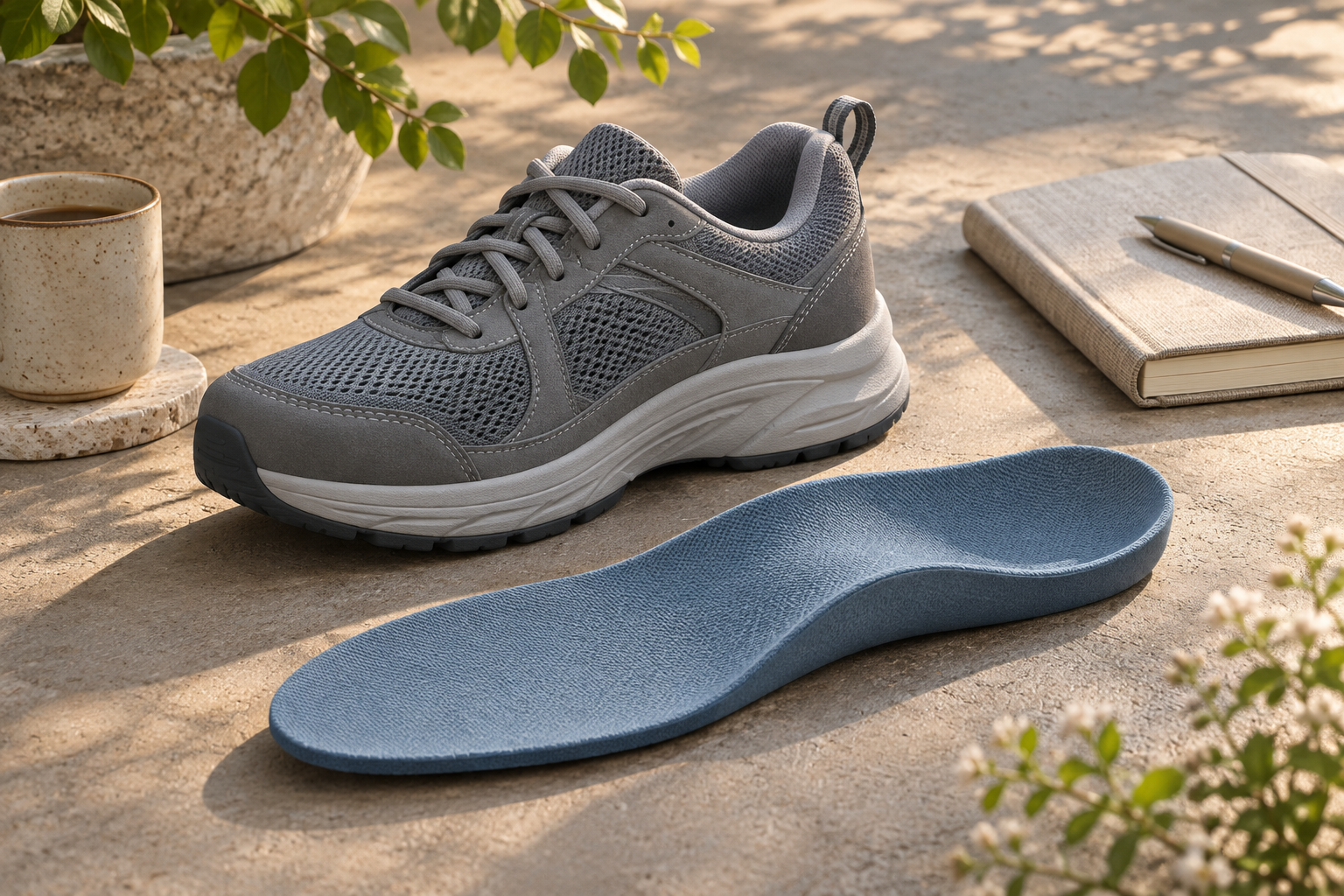
2. Cork-based inserts for familiar walking shoes
Fulton's Classic, Athletic and Universal inserts are $48 per pair. Classic is the relevant starting point for roomy everyday shoes with removable liners; Universal addresses shoes without removable liners. Fulton describes its cork as adapting with wear. Compare that feel with other constructions, such as the firm high-arch Superfeet option, rather than assuming one material is best. The advantage is retaining familiar shoes; the drawback is changing their internal volume and contour. Do not replace prescribed devices or force an uncomfortable break-in. Include fitting instructions and an exchange option.
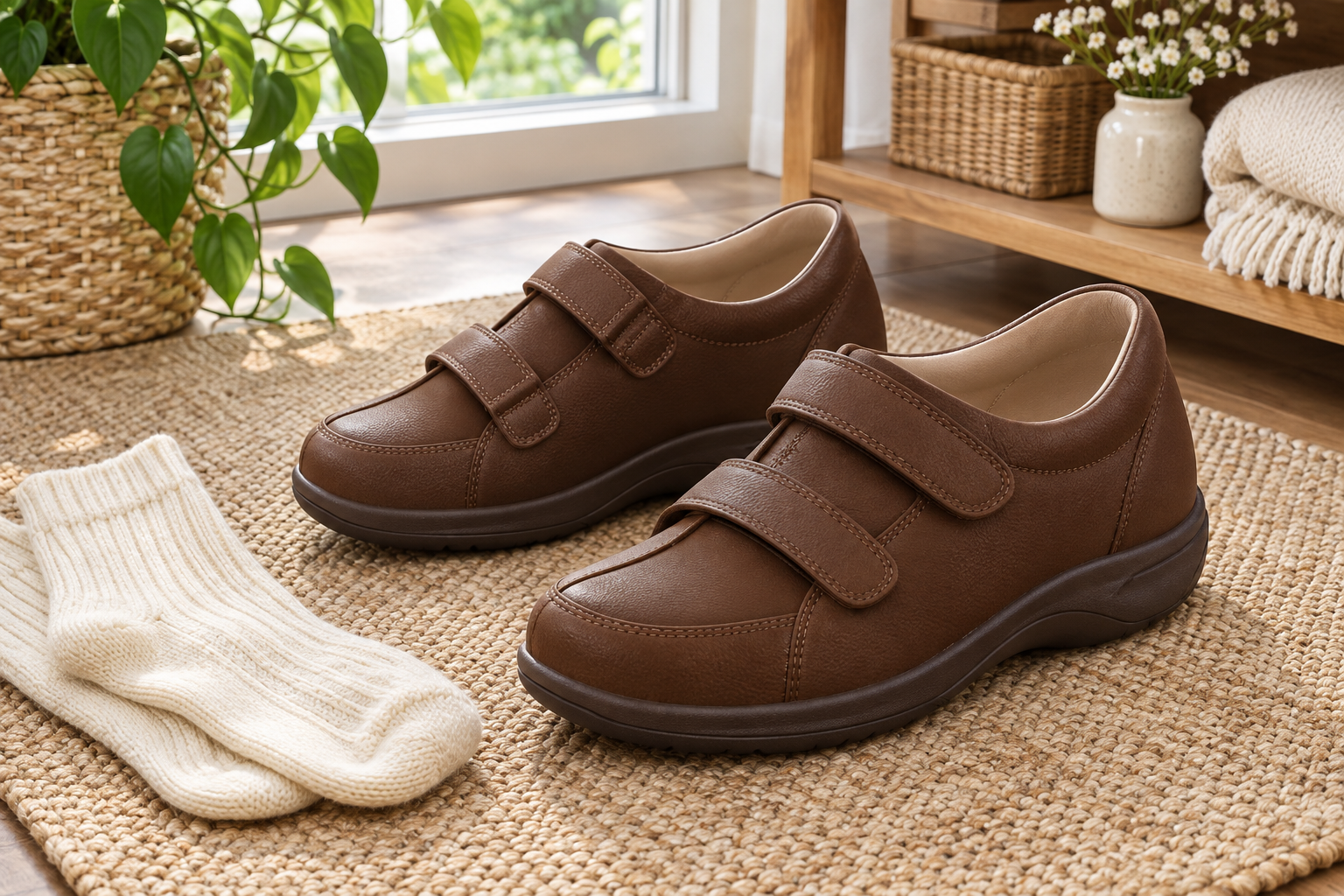
3. House shoes for indoor routines
The Fulton House Shoe, $120, is a cork-footbed option with a warm wool lining and vegan-suede upper. It may appeal to someone who already enjoys an open-back indoor shoe. It is not a closed-heel stability shoe, and we did not establish certified slip resistance or compatibility with a replacement orthotic. Its warmth and structured feel can be advantages or drawbacks depending on the person. For balance concerns, prioritize a securely retained indoor shoe selected with professional input instead of assuming a slip-on is the easiest safe choice.
4. Slides and sandals for after a walk
The Fulton Comfort Slide costs $120; the OOFOS OOahh line offers a different cushioned slide construction. These are off-duty options for a recipient who already prefers sandals. The benefit is easy changing after outdoor shoes. The limitation is reduced heel retention and toe protection. Do not describe them as fall-prevention equipment or a treatment for pain. Check the exact size, upper fit and permitted care. Cork versus foam is a construction distinction, not proof of faster recovery or longer life.
5. Walking accessories and visibility gear
Reflective accessories, a light, a bottle sling or a small essentials bag can suit someone whose footwear is already settled. Ask when and where they walk so the item fits the route. The advantage is avoiding a difficult shoe-size guess. The drawback is duplicating gear or choosing an accessory that is awkward to carry. Poles and traction devices require suitable fitting and instruction; they are not generic substitutes for a prescribed mobility aid or a guarantee against slipping. Keep the gift aligned with an established activity.
6. Seasonal socks and weather add-ons
A requested sock weight, breathable hat, light layer or compatible gaiter can make a thoughtful small bundle. Match the fabric, coverage and size to the recipient's existing shoes and local climate. Thick socks can change shoe fit, and grips on indoor socks do not establish outdoor traction. Heat products need particular care when someone has reduced sensation; do not choose a warmer as an unsolicited treatment. These gifts are easy to personalize, but the wrong thickness, texture or weather protection can leave them unused.
How we evaluated walking-related gifts for older adults
This is a desk-research comparison of documented construction, intended use and gifting practicality. Hands-on wear testing is pending for every named product. We did not purchase these products for this guide, measure pressure, interview recipients or conduct comparative durability tests. The order reflects the use cases described, not a clinical effectiveness score or an automatic preference for any brand.
| Criterion |
What we can compare |
What remains untested |
| Material durability |
Materials and care instructions |
Comparative service life |
| Arch contact over time |
Contour and fitting method |
Support after months of use |
| Pressure distribution |
Stated construction and fit |
Measured pressure relief |
| Breathability |
Upper coverage and lining |
Temperature and moisture in wear |
| Value per year |
Price and likely usefulness |
Annual cost without lifespan data |
| Practical fit |
Size options, recipient preferences and exchange terms |
Individual comfort and real-world outcomes |
Manufacturer descriptions are specifications or claims, not independent test results. Price snapshots exclude tax and delivery; check the exact variant and current availability before purchasing.
Choosing the right walking gift for the older adult in your life
Ask about the route and the next item that needs replacing. If footwear is involved, offer to go shopping together and bring the usual socks and orthotics. For a milestone birthday, combine the practical item with a walk or outing the recipient chooses.
If there is a new foot problem, choose an accessory or a contribution toward professional fitting rather than guessing at a corrective insert. Preserve existing clinical advice. An attractive gift should not make the recipient feel obliged to wear something uncomfortable.
FAQs about walking-related gifts for active retirees and older adults
Which walking gifts are most useful?
The ones that fit an established routine: a requested shoe replacement, compatible insert, visibility accessory or preferred sock. Ask what is missing before buying.
How do I choose an insert as a gift?
Confirm the shoe model, liner removability, width and preferred support. Do not assume the recipient's usual size tells you the whole fit.
Are house shoes suitable for older adults?
Sometimes. Heel security, stairs, balance and personal preference matter. An open-back style is not a universal choice.
What shoe features matter for comfort and stability?
A secure, comfortable fit, usable closures and a sole appropriate to the walking surface. A tall or very soft sole is not automatically more stable.
How long should shoes and inserts last?
There is no reliable single interval for everyone. Monitor tread, lining, shape and changing comfort; follow model-specific guidance rather than a blanket lifespan claim.
What if the recipient has a foot condition?
Keep their clinician's plan in place. A fitting contribution or non-footwear accessory avoids replacing prescribed support without advice.
Is cork better than foam?
Not universally. Construction, fit and preference matter, and this guide has no comparative longevity data.
How can I confirm size discreetly?
Ask about a current wish list or offer a shopping outing. Reading an old shoe label is insufficient if width, fit or the model has changed.
This review is not medical advice. Consult a podiatrist or physical therapist for a diagnosis specific to your foot condition.