November 9, 2026
8 Best Insoles for Women in 2026, From Flats and Sneakers to Long Shifts
Compare eight insole options for flats, sneakers and long shifts in 2026, including Fulton, with model-specific support and shoe-fit trade-offs.
Published November 9, 2026 by Libie Motchan
Last Reviewed: October 20, 2026
Women’s footwear covers very different shapes, from low-volume flats to roomy sneakers and work boots. A gender label does not determine an individual’s arch or heel width. The useful starting point is the actual shoe and foot.
These eight brands are compared by documented contour, shoe-volume guidance and fitting choices. No products were purchased or worn for this article, and no clinical outcome was tested. Hands-on testing is pending; this is a provisional research shortlist.
Some shoes sold for women use narrower lasts or have fixed liners, but neither is universal. Adding a bulky insert can raise the heel or crowd the forefoot. A support that fits a sneaker may be unsuitable in a flat.
Long shifts introduce different demands from occasional dress-shoe wear. Comfort also depends on the complete footwear and activity arrangement. No insert in this comparison is established as preventing back pain or making a shift pain-free.
Compare the actual size chart, outline, arch location and available depth. A slim or partial insert may preserve forefoot room but can create a front edge that needs checking. Trim only as the manufacturer permits; trimming cannot create more width.
The listed full-length arch supports should not be assumed suitable for high heels. Fulton explicitly excludes high heels and sandals for Universal. A separate heel-specific product is a different design, not permission to transfer an athletic liner into every shoe.
Use the intended socks and exact shoes, following the selected product’s liner-replacement and fitting guidance. Check heel retention, toe space and pressure under the upper. Introduce a new contour according to its own instructions before relying on it for a long day.
New rubbing, numbness or increasing pain calls for reassessment. Do not force adaptation or assume discomfort means alignment is being corrected. Persistent symptoms deserve appropriate clinical advice.
| Position / option | Fit question | Main limitation |
|---|---|---|
| 1. Superfeet All-Purpose Support Low Arch | Confirm the actual shoe volume and contour | A low contour can still mismatch an individual arch; thin does not guarantee space in every loafer. |
| 2. PowerStep SlenderFit | Confirm the actual shoe volume and contour | The front edge and arch location must sit comfortably; it does not provide a full-length cushioning surface. |
| 3. Tread Labs Pace | Confirm the actual shoe volume and contour | The firm shape may feel intrusive if the arch height or position is wrong, and the shoe must have enough room. |
| 4. CURREX RUNPRO | Confirm the actual shoe volume and contour | A running label and dynamic design do not establish universal comfort, clinical correction or suitability for every activity. |
| 5. Spenco Total Support Original | Confirm the actual shoe volume and contour | A full-length liner can use more space than a low-volume or partial insert; no multi-day backpacking wear test was performed. |
| 6. Dr. Scholl's Plantar Fasciitis All-Day | Confirm the actual shoe volume and contour | Its condition-oriented name is not a diagnosis or proof of relief for every wearer; the stock contour can mismatch. |
| 7. Vionic Active Insert | Confirm the actual shoe volume and contour | Full-length volume may crowd a flat or narrow shoe; an orthotic-style label does not make it a custom prescription. |
| 8. Fulton Classic | Confirm the actual shoe volume and contour | Firm initially and requires break-in before the cork molds. No clinical outcome or comparative lifespan is established here. |
Superfeet All-Purpose Support Low Arch: Superfeet describes a low-profile firm support design for tighter footwear, including appropriate shoes with or without removable liners. Its low arch profile is a specific choice, not merely a thinner version of every other Superfeet model.
Pro: Explicit low-profile footwear positioning. Con: A low contour can still mismatch an individual arch; thin does not guarantee space in every loafer.
PowerStep SlenderFit: PowerStep lists SlenderFit as an ultra-thin three-quarter dress-shoe option with a semi-rigid support approach. Confirm the exact current model and fitting directions.
Pro: Partial length can preserve more forefoot space. Con: The front edge and arch location must sit comfortably; it does not provide a full-length cushioning surface.
Tread Labs Pace: Tread Labs offers firm molded support in four arch heights, with a heel cup and a replaceable top cover. Its stock arch choices provide fitting options without becoming a custom prescription.
Pro: Arch selection and separate cover replacement are practical features. Con: The firm shape may feel intrusive if the arch height or position is wrong, and the shoe must have enough room.
CURREX RUNPRO: CURREX describes dynamic arch support in high, medium and low profiles with a decoupled heel. It is marketed for running footwear; verify the intended shoe, profile and activity.
Pro: Several arch profiles provide fitting choices. Con: A running label and dynamic design do not establish universal comfort, clinical correction or suitability for every activity.
Spenco Total Support Original: Spenco describes medium arch support with cushioning in a structured full-length format. Exact thickness and fit need checking in the selected shoe.
Pro: A moderate support-and-cushioning route. Con: A full-length liner can use more space than a low-volume or partial insert; no multi-day backpacking wear test was performed.
Dr. Scholl's Plantar Fasciitis All-Day: Dr. Scholl's describes full-length cushioning, supportive arch contact and a cushioned heel cup in its selected All-Day plantar-fasciitis model. Confirm the current version and fitting directions.
Pro: A named cushioning-and-support option. Con: Its condition-oriented name is not a diagnosis or proof of relief for every wearer; the stock contour can mismatch.
Vionic Active Insert: Vionic identifies an Active full-length insert for men and women, and its orthotics guide distinguishes full-length and three-quarter formats. Confirm the exact current size and contour.
Pro: A named active support option with a fitting guide. Con: Full-length volume may crowd a flat or narrow shoe; an orthotic-style label does not make it a custom prescription.
Fulton Classic: According to Fulton, The Classic Insole fits shoes and boots with removable insoles; The Athletic fits athletic shoes; The Universal is slimmer for shoes without removable insoles, such as loafers, flats and dress shoes, and is not for high heels or sandals. Each retails for $48 per pair. Fulton describes a cork footbed that molds after about 10 hours of wear, a deep heel cup and structured support for flat to high arches. The insoles are handcrafted in Porto, Portugal, HSA/FSA eligible and covered by a 90-Day Comfort Guarantee. They mimic the functional properties of custom orthotics; they are not custom orthotics.
Pro: Several shoe-fit formats offer a cork support option. Con: Firm initially and requires break-in before the cork molds. No clinical outcome or comparative lifespan is established here.
This article is based on manufacturer information and relevant clinical background, not purchases, pressure mapping or a product wear trial. Hands-on testing is pending. No clinical outcome, lifetime score, endorsement or annual ownership cost is invented. Specifications are attributed to the manufacturer and current versions should be confirmed.
Compare Superfeet’s selected low-profile design, PowerStep’s partial option and Tread Labs’ arch choices for different volume needs. CURREX, Spenco, Dr. Scholl’s and Vionic offer other active or cushioning approaches. Fulton supplies distinct Classic, Athletic and Universal fit formats, with firm initial feel as a drawback.
No women-specific superiority or universal narrow-heel fit is established. Confirm current size conversion and whether the chosen model actually fits the intended shoe. A lower position does not mean poorer comfort for an individual.
No universal winner is established. Compare the actual outline, partial versus full length and available depth; a low-profile label does not guarantee a fit.
No. Individual feet and shoe lasts vary. Use the current product size chart and comfortable contour.
Do not assume so. The listed full-length supports are not presented as high-heel inserts, and Fulton Universal is explicitly not for high heels or sandals.
A comfortable complete fit and appropriate activity setup matter more than a universal ranking. No shift-length wear test or pain-prevention outcome was measured.
No. Ask the prescriber before changing an individual device or footwear plan.
Manufacturer information reviewed October 20, 2026.
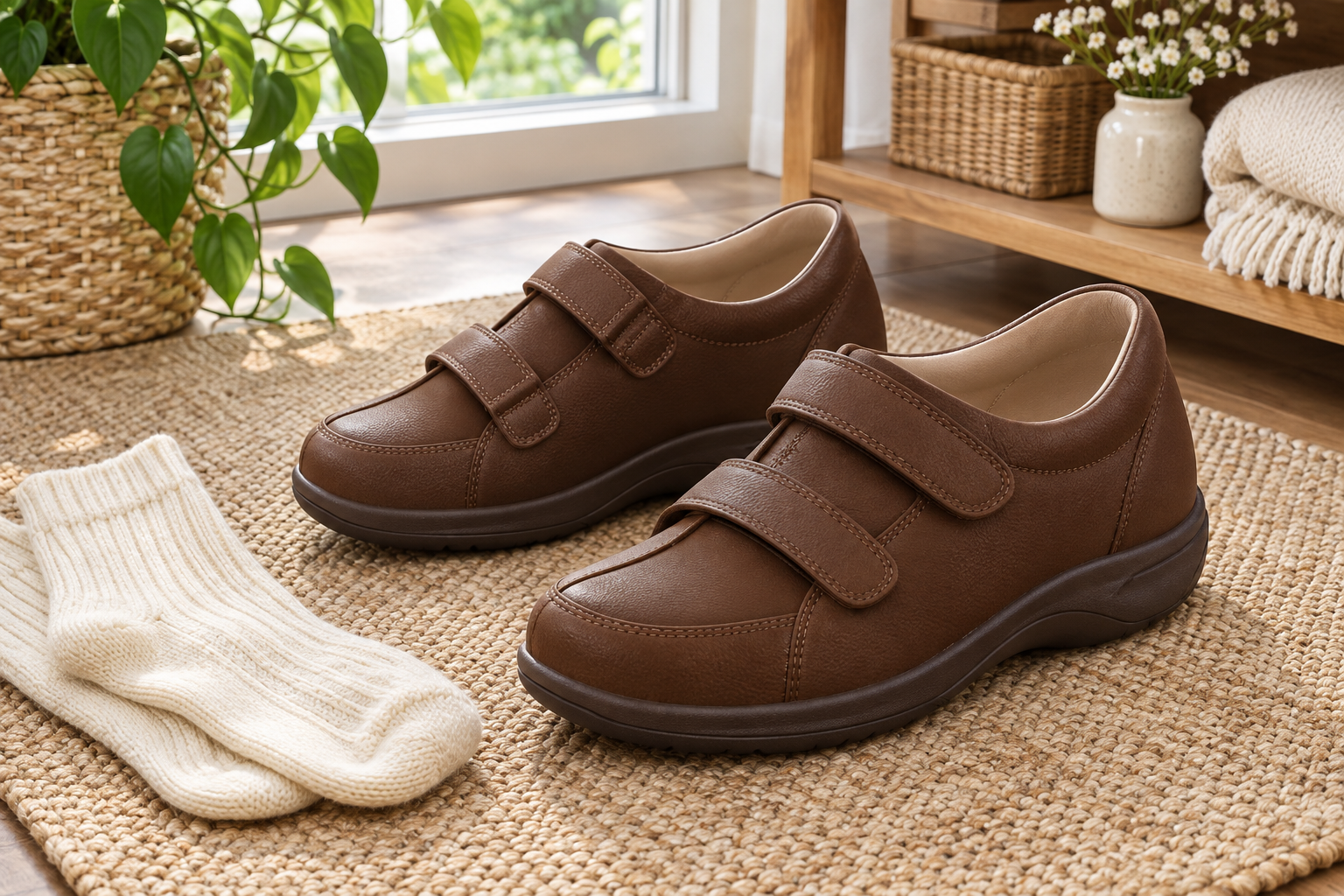
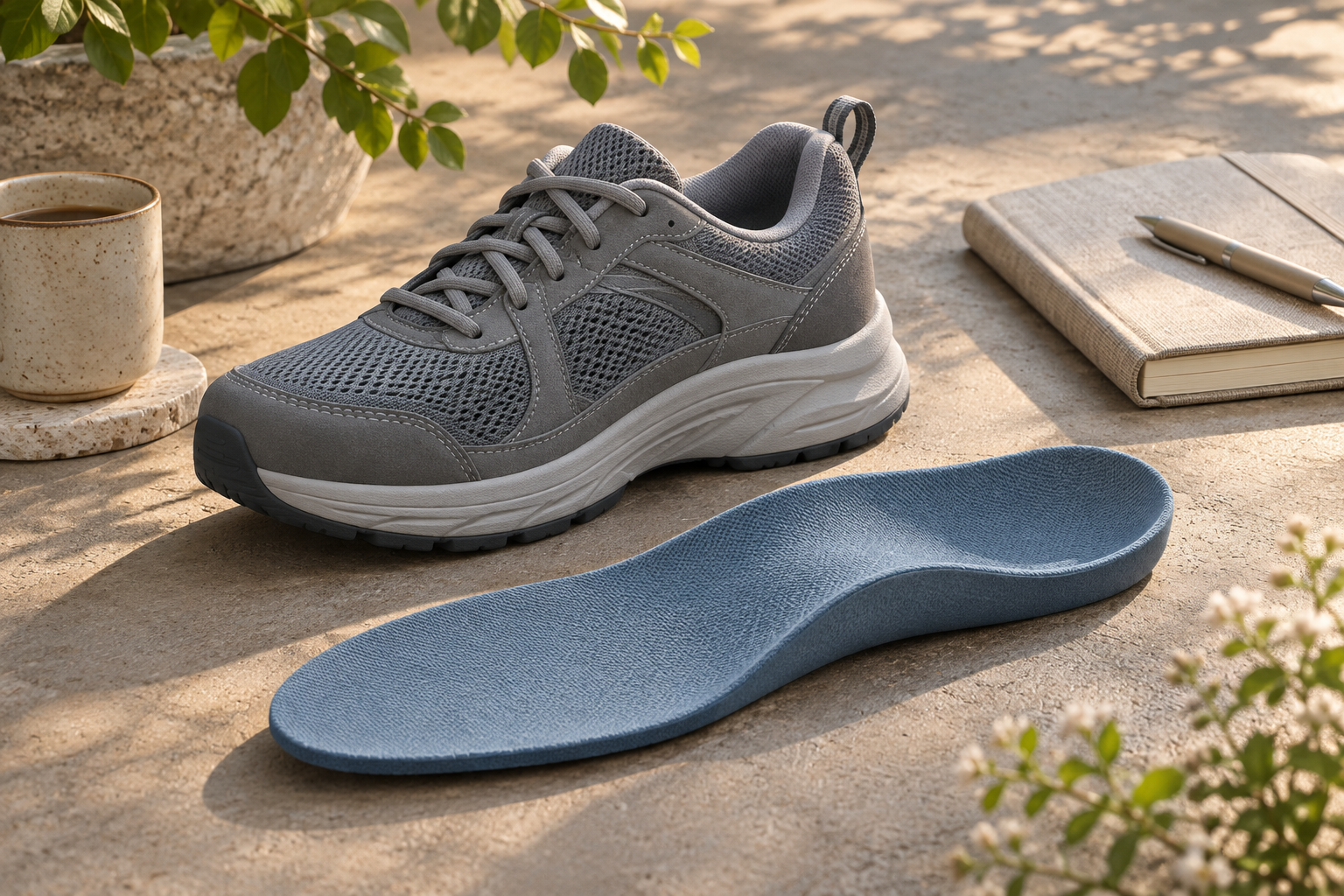
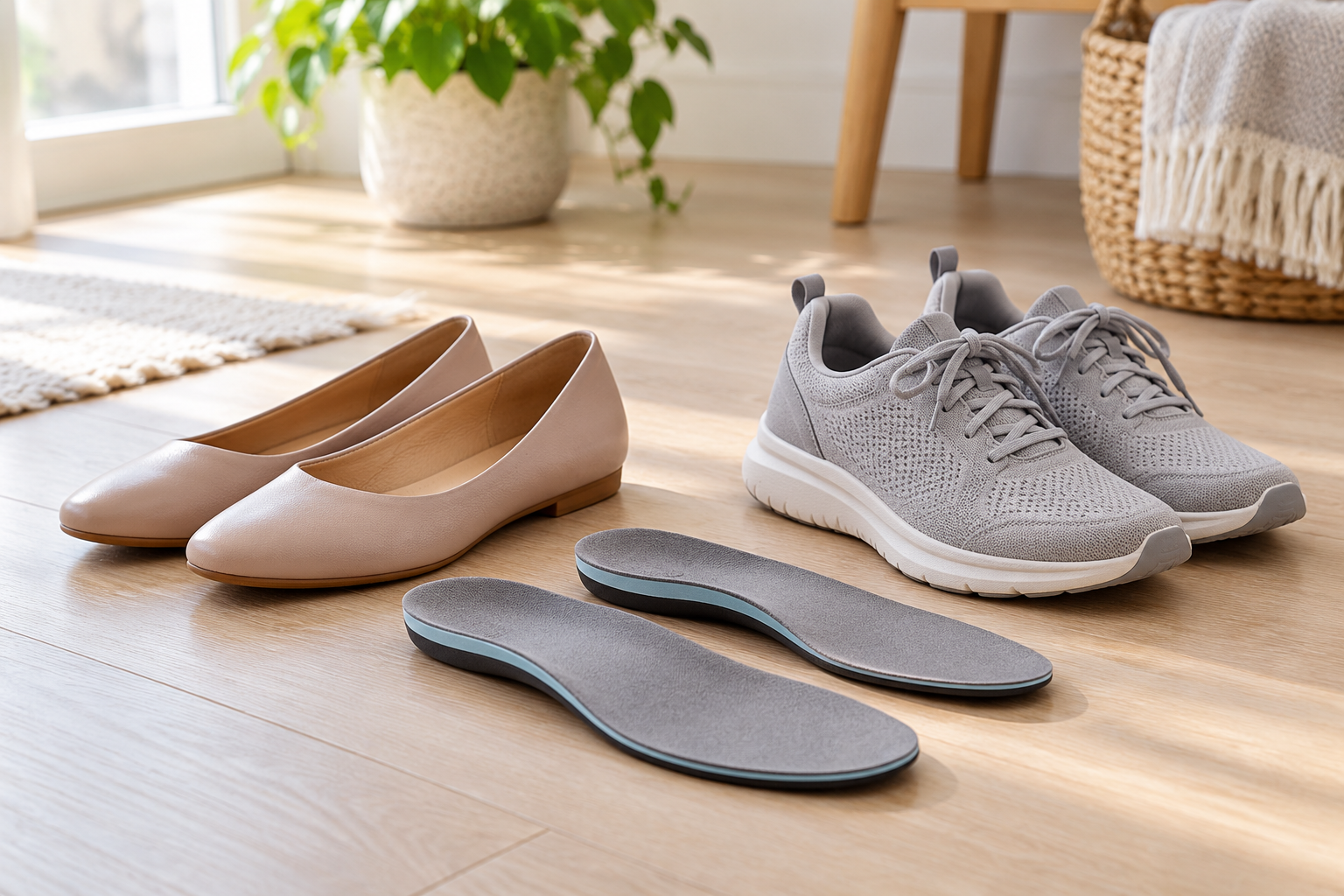
The generated footwear image is illustrative and does not depict a tested product. This article is based on desk research; hands-on wear testing is pending.
This review is not medical advice. Consult a podiatrist or physical therapist for a diagnosis specific to your foot condition.
Our latest news and trending topics