Published November 15, 2026 by Libie Motchan
Shopping for a nurse, teacher, chef, hairstylist or mail carrier starts with a practical question: what would make their working day or evening easier? A comfort gift can be useful, but footwear is personal. The right gift depends on their shoes, workplace rules, preferences and available space.
This desk-research guide compares 12 gift ideas, including specific product examples. The order prioritizes everyday usefulness and fit flexibility, followed by at-home comfort and more optional recovery accessories. It is an editorial order, not a clinical effectiveness ranking. Hands-on wear testing is pending; we have not measured pressure, durability or pain outcomes for these picks.
Last Reviewed: November 14, 2026.
This review is not medical advice. Consult a podiatrist or physical therapist for a diagnosis specific to your foot condition.
Why comfort-focused Christmas gifts matter for people who stand all day
Standing-heavy jobs differ. A nurse may need closed, easily cleaned footwear that meets hospital rules. A teacher may alternate between standing, sitting and walking hallways. A chef needs footwear appropriate for the kitchen's spill and slip hazards. A mail carrier needs shoes suited to the route and weather. A gift should fit those circumstances rather than assume all tired feet need the same thing.
Match the gift to the actual problem
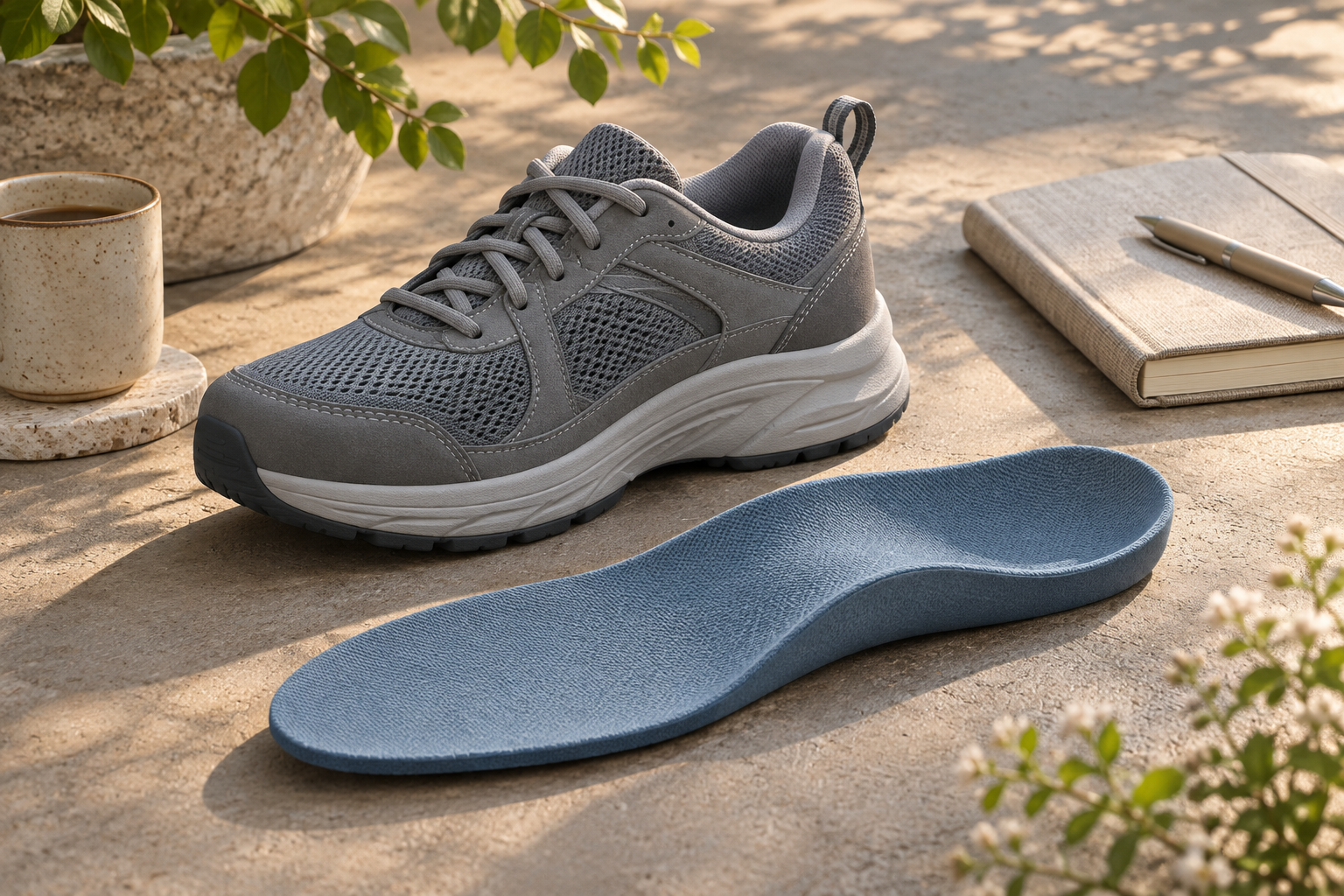
- Uncomfortable existing shoes: Ask whether the shoes still fit and have usable tread before choosing inserts. An insole cannot repair a worn-out or unsuitable shoe.
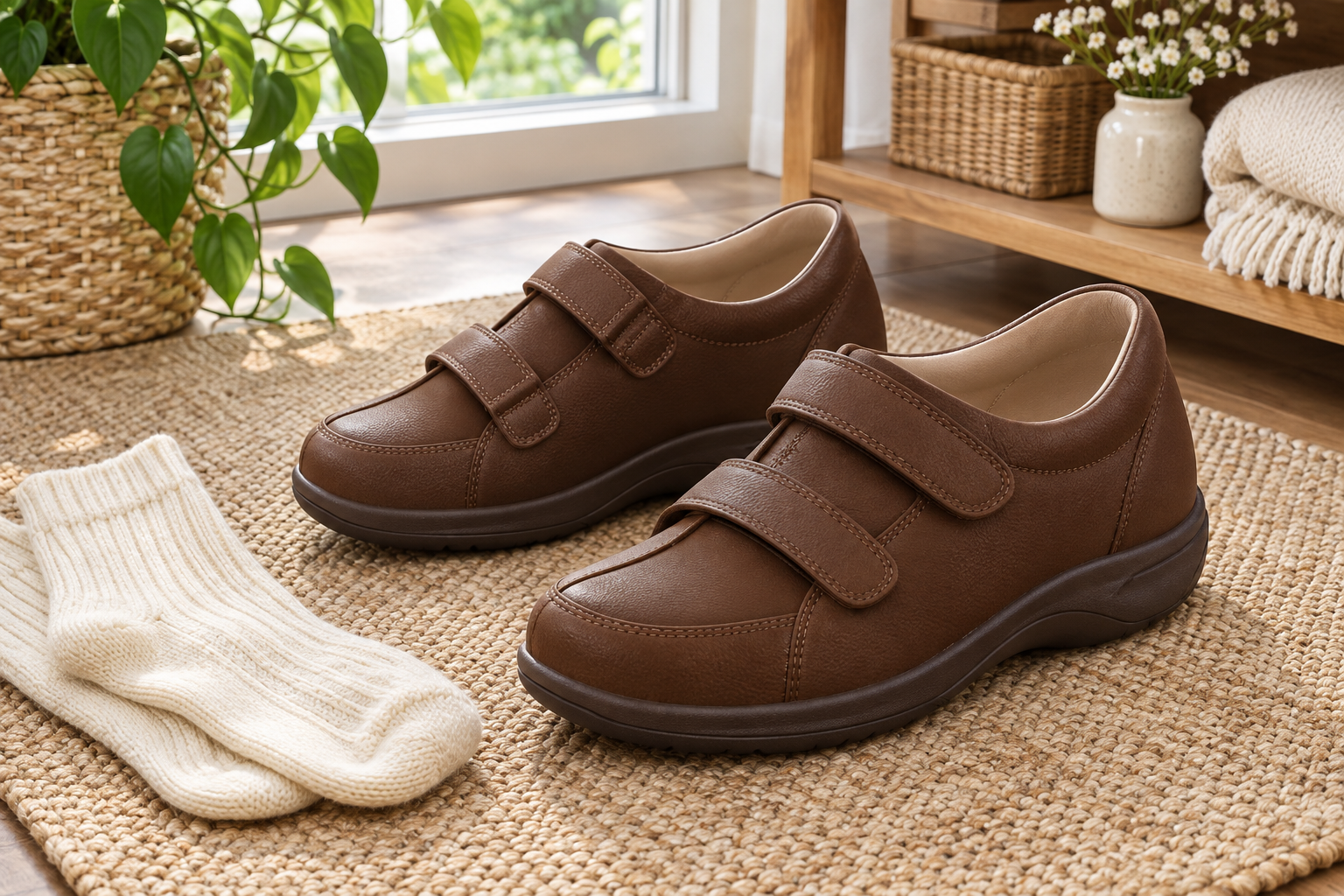
- No comfortable footwear at home: House shoes or slides may be welcome, provided the recipient likes that style and can keep them securely on their feet.
- Little energy after a shift: A meal or a flexible gift card can be more useful than a device requiring a new routine.
- Uncertain fit or preferences: Offer a choice and include a gift receipt. A generous return window is useful only if the recipient can meet its conditions.
Why practical gifts can feel personal
The thoughtful part is noticing how someone spends their day. Ask what they already use, what feels uncomfortable and what they would actually enjoy. Do not turn a gift into an unsolicited diagnosis. Persistent pain, numbness, swelling or a wound needs appropriate assessment rather than a promise that a product will solve it.
What to look for in a Christmas gift for someone who stands all day
Fit comes before features
Check shoe size, width, available depth and whether the existing liner is removable. An insert that crowds the toes or lifts the heel out of the shoe is not a good fit. For slippers, check whether the wearer prefers a secure closed heel, an adjustable fastening or an easy slip-on. A deep heel cup inside a footbed is not the same as a closed heel upper.
Workplace requirements matter separately from comfort. A casual clog or recovery slide is not automatically suitable for a hospital, commercial kitchen or delivery route. Check the employer's footwear rules and any required slip-resistance standard.
Five useful comparison questions
- Material durability: What is the construction, and can worn parts be replaced? We have not established that cork always outlasts foam or that any product lasts a fixed number of years.
- Arch contact over time: Does the contour fit the wearer comfortably? Firmness alone is not evidence of better support for every foot.
- Pressure distribution: Is there room for the foot, and does the recipient notice rubbing or pressure? Product photographs cannot establish measured pressure relief.
- Breathability: Consider the upper, lining, socks and climate. Warm wool may suit a cold home but not someone who dislikes warm footwear.
- Value per year of use: Consider price, care and likely frequency of use. Without measured lifespan data, an annual cost estimate would be speculation.
For gift cards and massage devices, arch contact and breathability may not apply. Judge those gifts by usefulness, storage, ease of use and recipient preference rather than forcing them into a footwear score.
How nurses, teachers and other pros can use these comfort gifts
On-the-job support
- Nurses and healthcare workers: Start with workplace-approved shoes. Insoles need to fit those shoes; compression socks should match the recipient's measurements and any clinical advice.
- Teachers: Consider whether they want an insert for existing classroom shoes or a contribution toward a pair they choose themselves.
- Chefs: Keep casual recovery footwear for off-duty use unless the exact model meets workplace requirements. Do not infer kitchen slip resistance from a textured-looking sole.
- Hairstylists and retail workers: Check dress codes, standing surfaces and whether an insert changes how their preferred shoes fit.
- Mail carriers: Weather, route conditions and employer rules can matter more than a generic comfort label. Let the wearer choose work footwear when those details are unknown.
At-home comfort
House shoes, slides and wool slippers offer different combinations of coverage, firmness and warmth. The best choice is one the recipient can wear securely and comfortably. Massage tools are optional accessories, not a substitute for changing an uncomfortable shoe or assessing persistent pain. Meal delivery can simply remove an evening chore.
Where Fulton fits
Fulton offers cork-based insoles in different shoe-fit formats, plus the House Shoe and Comfort Slide. Those are alternatives to the other brands and categories below, not evidence that one material or brand is best for every recipient. Fulton prices in this guide are $48 per pair for insoles and $120 per pair for House Shoes or Comfort Slides. Check size charts and current gift-return conditions before ordering.
Quick comparison: comfort gift types for people who stand all day
| Gift type |
Practical purpose |
Best recipient match |
Main limitation |
| Insoles |
Add a different support contour inside compatible shoes |
Someone who wants inserts and knows their shoe fit |
Can crowd shoes; needs a comfortable fit |
| House shoes or slides |
Comfortable footwear around home |
Someone who likes the silhouette and firmness |
Size, warmth and heel security are personal |
| Compression socks |
A measured compression option for an existing routine |
Someone who already knows their suitable size and level |
Not an appropriate surprise medical intervention |
| Massage tools |
Optional, targeted relaxation |
Someone who wants a device and can use it safely |
Storage, charging, pressure and contraindications |
| Shoe-store gift card |
Let the recipient select footwear |
Unknown size or strict workplace rules |
May not cover the full purchase |
| Food or coffee gift card |
Reduce a chore or offer a familiar treat |
Busy shift workers and parents |
Service availability, fees and preferences |
These are use-case comparisons, not measured clinical benefits. No gift here is proven by this review to prevent injury or treat a condition.
12 best Christmas gifts for people who stand all day in 2026
1. A supportive work-shoe gift card
A gift card to the recipient's preferred shoe store leads for flexibility: it lets them choose the size, width and workplace-appropriate model. This is especially useful when buying for a nurse, chef or mail carrier whose footwear must meet specific requirements.
Why it makes the list: It avoids committing someone to an unfamiliar fit. Drawback: The amount may cover only part of a pair, and the recipient still has to shop. Confirm the store is convenient and that the card can be used in the intended country and channel. Pair it with a note offering to help with the fitting trip.
2. Fulton insoles: Classic, Athletic or Universal
Fulton describes a cork base that molds during roughly 10 hours of wear. The Classic Insole is intended for compatible shoes with removable liners; the Athletic serves athletic footwear, while the Universal is the lower-volume option for suitable shoes without removable insoles. These are ready-made insoles, not custom-manufactured orthotics.
Price: $48 per pair for each line. Best for: A recipient who wants structured inserts and knows which shoes they will use. Pro: Different formats address different shoe volumes. Con: The initial firmness and break-in may not suit everyone; fit must be checked in the actual shoe. Stop using an insert that causes worsening discomfort rather than forcing the break-in.
Next step: Shop the Classic Insole. Or: Take the Comfort Quiz.
3. A meal-delivery or coffee gift card
Choose a restaurant, service or coffee shop the recipient already uses. This is a practical off-duty gift when the problem is having too many chores after a long shift rather than needing another pair of shoes.
Pro: No footwear sizing and no new equipment to store. Con: Delivery fees, service coverage and dietary preferences can limit usefulness. Choose the value to cover a realistic order, including fees where possible. It provides convenience, not physical arch support or a lasting product.
4. Fulton House Shoe
According to Fulton, the House Shoe uses cork, wool and vegan suede and is handmade in Porto, Portugal. It is designed primarily for indoor wear, with a sturdy base for brief trips outside; avoid substantial water exposure. Do not confuse its slip-on construction with a fully enclosed, adjustable heel.
Price: $120. Best for: Someone who wants a firm, warm house shoe. Pro: A contoured footbed offers an alternative to a flat slipper. Con: It is available in standard widths and may feel snug; Fulton advises sizing up between sizes. A warm slip-on is not the right choice for every climate, balance need or foot shape. Follow the current size chart and gift-return policy.
5. Wool house shoes: Glerups or Haflinger
Glerups describes its footwear as natural wool, with leather-sole and natural-rubber-sole options. Specify the sole and silhouette when buying: those choices change where and how the shoe is used. Haflinger is another wool-footwear brand to compare, but do not assume every model has the same footbed construction.
Best for: Someone who values warmth and wool. Pro: Several silhouettes and sole choices let you match the home routine. Con: A wool upper does not itself establish pronounced arch support, and sizing still matters. Check the exact model's current price and care instructions; a generic brand price range is not a reliable quote.
6. Recovery slides: OOFOS OOahh or HOKA Ora
The OOFOS OOahh range offers a foam-slide alternative to firmer cork footwear. HOKA Ora is another recovery-slide line to compare. Choose the exact current model and size rather than treating all versions as interchangeable.
Best for: Someone who enjoys open-toe slip-ons after work. Pro: Easy to put on and remove. Con: An open heel and toe may not provide the coverage or security the wearer needs, and the style may be unsuitable at work. We have not tested comparative cushioning lifespan, traction or recovery outcomes. Confirm the selected model's price and return conditions directly.
7. Fulton Comfort Slide
The Comfort Slide is Fulton's cork-footbed sandal, priced at $120. It offers a firmer alternative for a recipient who prefers structured slip-on footwear. It is a standalone shoe, not an insole.
Pro: An open design may appeal to someone who dislikes enclosed slippers. Con: The firm feel and initial break-in are not for everyone, and its open heel does not offer the same retention as a secure closed shoe. It is an off-duty gift unless the workplace explicitly permits the exact footwear. The Comfort Quiz can help compare Fulton's formats, but it is not a diagnosis.
8. Birkenstock Boston Soft Footbed
The Boston collection includes Soft Footbed suede versions listed at $169.95 when reviewed; prices and promotions vary by version. This is a higher-budget clog option for someone who already likes a contoured footbed and an open-back silhouette.
Pro: The recipient can choose among materials and fit options. Con: It is above a $150 budget at that listed price, and suede needs appropriate care. A casual Boston is not automatically a workplace-certified slip-resistant clog. Check the specific model, width, sizing and return terms before buying.
9. Compression socks: Sockwell Circulator
Sockwell's Women's Circulator lists moderate 15–20 mmHg graduated compression and an ultra-light cushioned sole, at $32.95 when reviewed. Select a suitable size and model rather than assuming compression socks fit like ordinary socks.
Best for: Someone who already wears and wants that level of compression. Pro: A small, practical gift that can complement an existing routine. Con: Snugness, calf fit and putting the socks on can be drawbacks. If the recipient has a medical condition or is unsure whether compression is appropriate, let their clinician guide the choice. Do not use benefit accounts for an unrelated person's gift without confirming eligibility rules.
10. A compact foot roller: Therabody WaveSolo
Therabody's WaveSolo is a textured vibrating ball roller listed at $99.99 when reviewed. It is a specific compact alternative to the broad category of electric foot massagers; manufacturer benefit claims are not findings from our testing.
Pro: Small enough to store more easily than a large enclosed foot massager. Con: It still requires charging and active positioning, and concentrated pressure may not be comfortable or appropriate for everyone. Read the manufacturer's precautions. Avoid using massage to mask unexplained pain or over injured tissue, and seek professional guidance when sensation or circulation is impaired.
11. A handheld massage device: Hypervolt Go 2
Hyperice's Hypervolt Go 2 is a portable percussion-massage option. Hyperice describes a compact design and up to three hours of battery life; those are manufacturer specifications, not measurements from this review. Confirm the current price and included accessories.
Best for: A recipient who has specifically asked for a handheld massage tool. Pro: It can be positioned on appropriate muscle areas according to the instructions. Con: The user must hold and control it; a device that feels awkward or unpleasant may go unused. Do not apply percussion over bony areas, wounds or a painful area without understanding the precautions. Recent surgery or an underlying condition warrants clinician guidance first.
12. A simple wind-down kit
A small kit can contain a soft towel, the recipient's preferred unscented moisturizer and a familiar non-medical relaxation item. If including a bath or shower product, choose something they already tolerate rather than assume fragrance is welcome.
Pro: Easy to personalize and combine with another gift. Con: Consumables run out, and they do not add structural foot support. Avoid presenting foot soaks as treatment. The CDC advises people with diabetes not to soak their feet; a generic foot-soak kit is therefore not an appropriate default gift for that group. Keep the kit simple and matched to the recipient's normal routine.
How we ranked these 12 Christmas gifts
The order reflects a practical gifting judgment: flexibility first, then footwear chosen with the recipient, followed by preference-sensitive accessories. It is not a ranking of proven pain relief. No company automatically receives the top position.
| Criterion |
What we can assess from desk research |
What remains untested |
| Material durability |
Construction and maintenance information |
Comparative wear life |
| Arch contact over time |
Published contour and fit descriptions |
Contact during a full shift |
| Pressure distribution |
Relevant fit and cushioning features |
Actual plantar-pressure measurements |
| Breathability |
Material and coverage choices |
Temperature and moisture performance |
| Value per year of use |
Price, repairability and practical usefulness |
Annual value without reliable lifespan data |
We reviewed manufacturer pages for the named product examples and CDC guidance for the diabetes-related foot-care caution. Manufacturer specifications are attributed as such. Earlier gift-guide suggestions informed the categories, but vague claims about what all nurses or teachers want were not treated as evidence.
Hands-on wear testing is pending. We have not established a universal winner, logged wear trials, measured slip resistance or secured clinician endorsements for these gifts. Prices outside the specified Fulton prices can change; verify the exact option and gift-return deadline before purchase.
Choosing the right comfort gift for your recipient
Start with a short conversation about what they would use. If the answer is shoes, let them choose fit and style. If they already have comfortable work footwear, consider something for home or a practical service that takes work off their plate.
For a nurse or chef, workplace rules come first. For a teacher, a familiar shoe style or a modest gift card may be more useful than an unfamiliar gadget. For a mail carrier, outdoor conditions and route requirements matter. For a parent, less cooking or a comfortable pair of house shoes may be welcome—but ask rather than assume.
Include a gift receipt, check return deadlines and avoid making health promises. A thoughtful comfort gift supports someone's preferences; it does not diagnose their symptoms or replace medical care.
FAQs about Christmas gifts for people who stand all day
What is the best gift if I do not know their size?
A gift card to a store or service they already use is the most flexible option in this guide. Confirm redemption rules and pair it with a personal note. It may be less tangible than a wrapped pair of shoes, but it avoids guessing at fit.
Are insoles a useful gift for nurses and teachers?
They can be, if the recipient wants them and the insert fits the intended shoe. Check the removable liner, available depth and return policy. An insert should not create pressure or crowd the toes.
How should I choose house-shoe sizing?
Use the exact product's size chart and the recipient's width and sock preference. Do not assume every brand uses the same fit. Check whether the heel stays secure without gripping the toes.
Is cork better than foam?
They can feel different, but the material name does not determine the best fit or prove longer life. This guide has not measured comparative durability. Choose a comfortable contour and appropriate firmness rather than treating one material as universally superior.
What if they already have supportive work shoes?
Ask about their at-home routine. House shoes, a preferred relaxation accessory or help with dinner may be more useful than another work product.
What budget should I plan?
Fulton insoles are $48 per pair and its House Shoe and Comfort Slide are $120 per pair. Other examples in this guide span smaller gifts to the Boston Soft Footbed at a listed $169.95. Check current prices, shipping and tax before deciding whether an item fits the budget.
Can these gifts treat foot or back pain?
No treatment outcome is established by this review. Comfortable footwear may be part of someone's routine, but persistent or unexplained symptoms need assessment. A product's marketing language is not a diagnosis or a guarantee.
What should I avoid for someone with diabetes or reduced sensation?
Avoid choosing heat, massage, soaking or compression products as an unrequested treatment. Ask what their clinician has recommended. CDC guidance emphasizes daily foot checks, protective footwear and avoiding foot soaking for people with diabetes.
This review is not medical advice. Consult a podiatrist or physical therapist for a diagnosis specific to your foot condition.