Published November 18, 2026 by Libie Motchan
Last Reviewed November 16, 2026
A useful nurse gift fits the person's actual shift: their approved footwear, usual meals, break space and off-duty preferences. Nursing students, CNAs, caregivers, doctors and physical therapists can have very different workplace requirements, even when all spend hours on their feet.
This list compares ten practical choices. The ranking is based on construction and use cases, not completed shift tests or a survey of nurses. All hands-on testing is pending. If you are unsure what the recipient wants, ask for the exact item or give them a choice rather than guessing at a health-related product.
Why comfort-focused gifts matter for nurses, students and caregivers
Long shifts can involve standing, walking, moving equipment and limited breaks. Comfortable footwear is one part of that routine; a gift cannot replace staffing, rest or assessment of persistent symptoms. Food, a usable bottle or a requested clothing item may be more useful than another device.
Avoid assuming that every nurse wants job-themed gifts. Start with something they have mentioned needing. Foot pain, unexplained swelling or numbness should not be treated as an inevitable part of the job or solved by surprise insoles.
What to look for in comfort gifts for nurses and clinicians
Confirm the unit's dress code, required toe coverage, cleaning rules and slip-resistance requirements before choosing shoes. A running shoe is not automatically approved for clinical work, and the word supportive does not establish tested grip.
For inserts, check shoe depth, removable liners and existing orthotics. For socks, distinguish ordinary cushioning from graduated compression; pressure level and leg measurements may matter. For bottles and lunch gear, check storage space and permitted break areas. Include gift receipts and avoid personalized items until you know they will fit the routine.
How nurses, students and caregivers actually use these gifts
On shift, familiar shoes and socks are usually easier to assess than changing several things at once. A new insert should be tried according to its fitting instructions before a long shift, with attention to crowding or discomfort. Do not add inserts over prescribed devices.
After work, some people prefer house shoes, others sandals or no new footwear. Home products should remain separate from clinical-floor requirements. Massage tools are optional comfort items, not proof of faster recovery. A meal or flexible store credit can reduce the work of choosing and buying something after a tiring day.
Competitor comparison: comfort-focused nurse gifts at a glance
10 comfort-ranked gifts nurses actually use (2026)
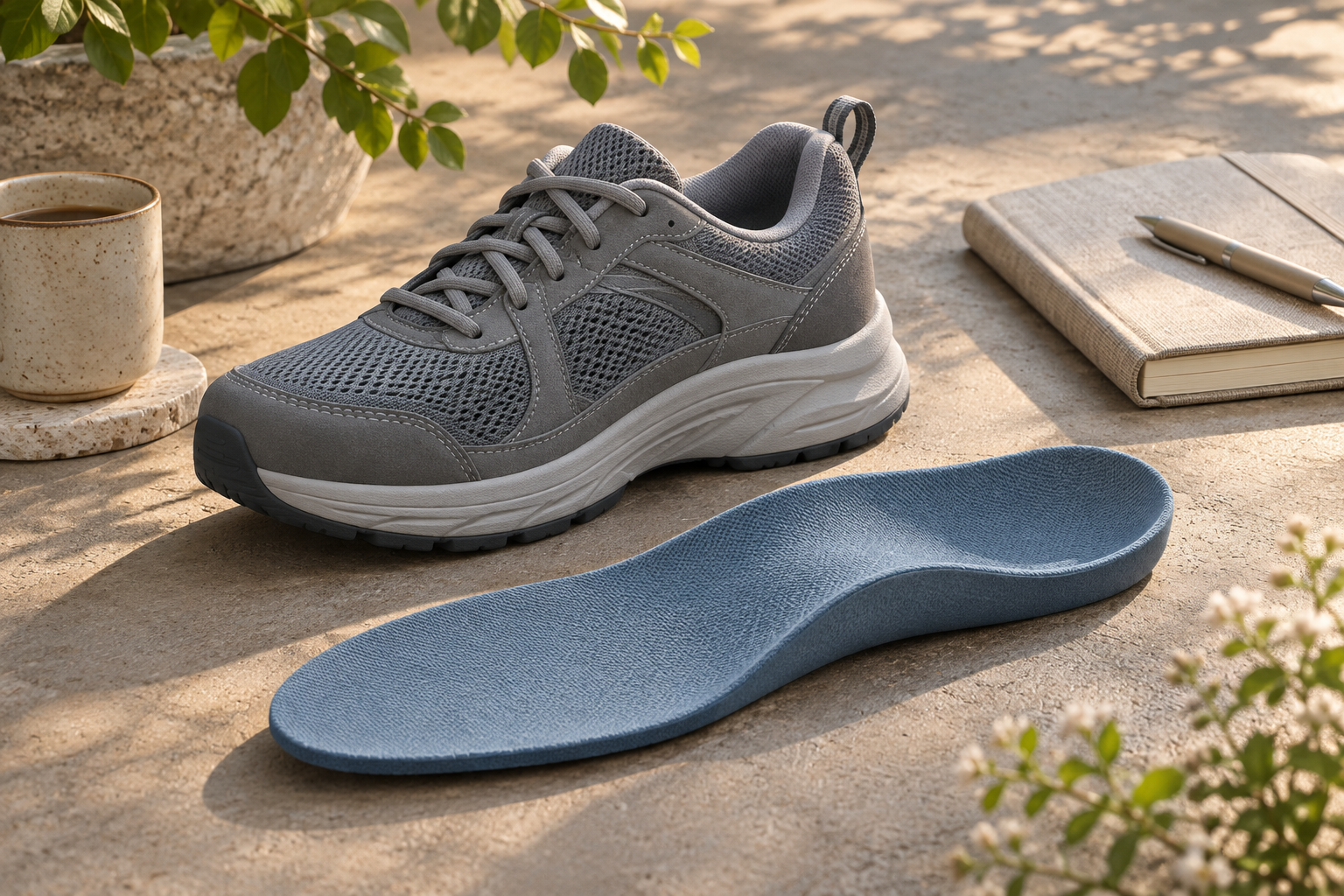
1. Structured inserts for familiar work shoes
Fulton's Classic, Athletic and Universal inserts are $48 per pair. Their cork structure is designed to adapt with wear; match Classic or Athletic to appropriate removable-liner shoes, or review Universal for shoes without removable liners. Tread Labs, PowerStep and Spenco offer alternative constructions worth comparing on their own manufacturer pages. The benefit is retaining familiar shoes. The drawback is altered volume and arch feel; no insert in this guide has been tested by us through a nursing shift. Ask before replacing existing support.
2. Approved nursing clogs or sneakers
Let the recipient choose a precise brand, model, width and color. Crocs, Dansko, HOKA and Brooks offer different footwear lines; their products do not all share the same heel retention, outsole testing or cleaning requirements. A shoe-store contribution can be easier than buying a pair outright. The benefit is a daily-use replacement. The drawback is that even an expensive shoe may fail the workplace dress code or feel wrong after a short fitting. Do not infer clinical-floor approval from popularity.
3. Compression socks the recipient already uses
A second pair of a known favorite may be welcome. Sockwell's women's Circulator is a documented example at $32.95, with moderate graduated compression. Confirm the recipient's preferred pressure and size rather than choosing by color alone. A knit arch band is not equivalent to a shoe insert. The benefit is a washable item that can fit an existing rotation; the drawback is sizing and medical suitability. Do not prescribe compression through a gift or assume stronger compression is better.
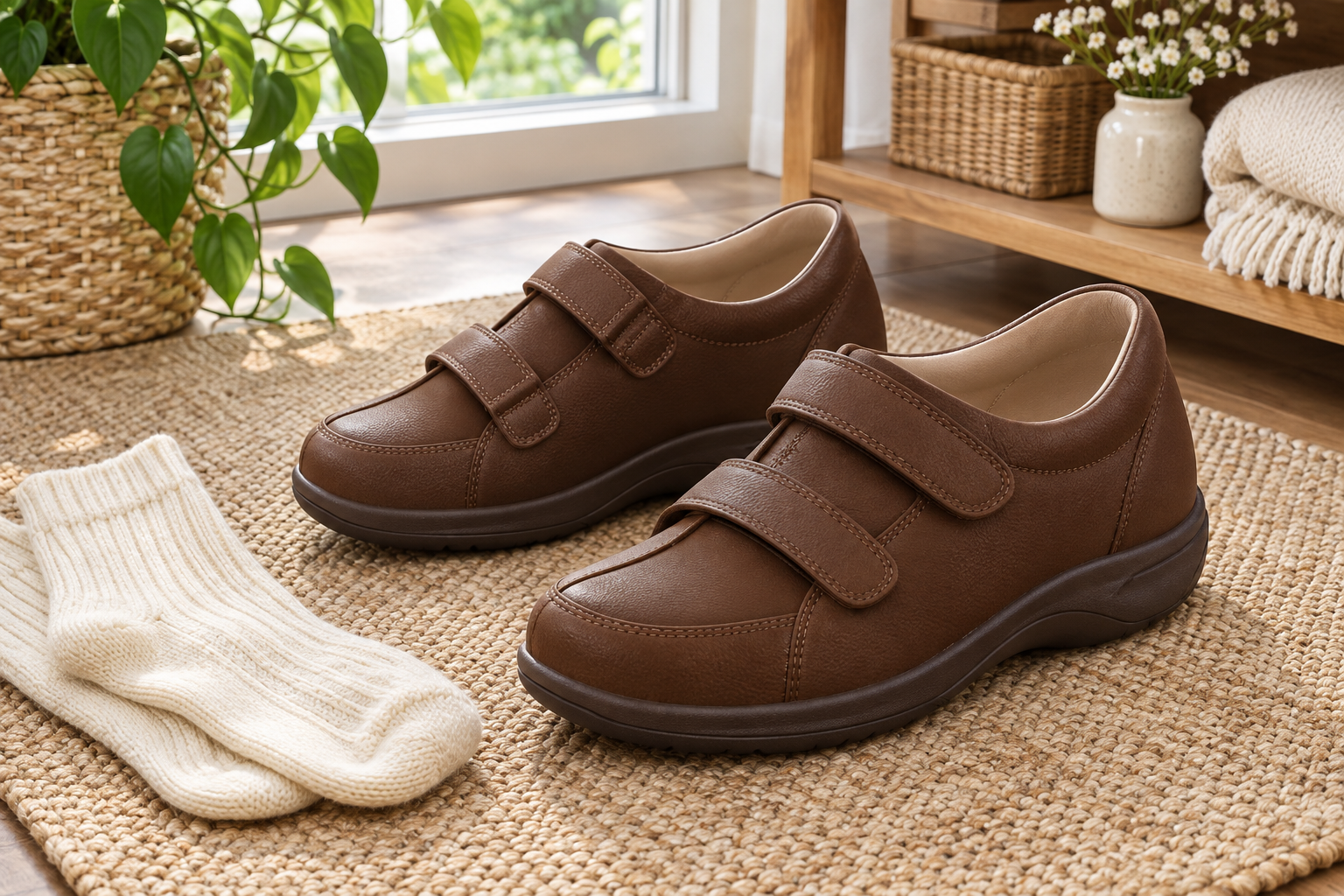
4. Supportive house shoes for home
The Fulton House Shoe is $120, with a cork footbed, wool lining and vegan-suede upper. It suits someone who wants warm, structured indoor footwear and is comfortable with an open back. It is not a closed-heel shoe or a verified clinical work shoe. The drawback is reduced heel retention and warmth that may be excessive for some homes. We have no evidence that its support improves at month six or that it prevents post-shift pain. Keep this as a personal home preference.
5. Off-duty slides or sandals
The Fulton Comfort Slide is $120, a standalone cork-footbed sandal rather than an insert. OOFOS OOahh provides another construction to compare. Easy changing after work is the attraction. Limited toe protection and heel retention are the tradeoffs. Do not assume slides are allowed in call rooms or on clinical floors, and do not promise recovery from a long shift. Confirm fit, width and the recipient's preference for an open shoe.
6. A portable massage tool
A simple roller or ball avoids battery maintenance; a powered tool adds noise, charging and more intensity. TriggerPoint and Therabody provide manufacturer information for their respective devices. Buy a tool only when the recipient wants it and can use it according to instructions. The drawback is that pressure can be uncomfortable and is not suitable over an injury, wound or unexplained swelling. Do not present massage as treatment or instruct someone to press into a painful heel.
7. A manageable insulated bottle
Choose the capacity, lid and cleaning method the recipient prefers. A larger bottle can reduce refills, but it also weighs more and may not fit a locker or bag. Check whether they already own a good one and where drinks are permitted at work. The benefit is a routine-use object without footwear sizing; the drawback is duplication and storage. Do not assume every lid is leakproof or that every bottle fits a cup holder.
8. Lunch gear or a meal-delivery gift card
Ask whether the recipient brings meals, has refrigerator space or relies on a particular restaurant. An appropriately sized lunch bag or credit at a service they use can be practical for students and night-shift workers. The limitation is logistics: delivery areas, fees, food preferences and opening hours matter. Choose a gift amount you are comfortable with and explain any restrictions. This is support for an existing routine, not a nutrition or recovery prescription.
9. A shoe-store or spa gift certificate
A fitting contribution removes the need to guess shoe size and model. A spa certificate is more personal and should match the recipient's interest and schedule. The advantage is choice; the drawback is an inconvenient location, expiry terms or extra costs. Do not assume a massage service is suitable for a medical condition. A personal note can make flexible credit feel thoughtful without committing someone to an appointment they do not want.
10. Requested scrubs, layers or ordinary socks
Use an exact wish list for brand, cut, size and permitted color. A familiar layer or sock can be useful in a work wardrobe, but scrubs vary substantially in fit. The benefit is frequent use when the details are right; the drawback is a wrong size or uniform-rule mismatch. Avoid unrequested slogans or bulky extras. A gift receipt matters more than a claim that one fabric or style works for every nurse.
How we ranked these nurse gifts by shift comfort
This is a desk-research comparison of documented construction, intended use and gifting practicality. Hands-on wear testing is pending for every named product. We did not purchase these products for this guide, measure pressure, interview recipients or conduct comparative durability tests. The order reflects the use cases described, not a clinical effectiveness score or an automatic preference for any brand.
| Criterion |
What we can compare |
What remains untested |
| Material durability |
Materials and care instructions |
Comparative service life |
| Arch contact over time |
Contour and fitting method |
Support after months of use |
| Pressure distribution |
Stated construction and fit |
Measured pressure relief |
| Breathability |
Upper coverage and lining |
Temperature and moisture in wear |
| Value per year |
Price and likely usefulness |
Annual cost without lifespan data |
| Practical fit |
Size options, recipient preferences and exchange terms |
Individual comfort and real-world outcomes |
Manufacturer descriptions are specifications or claims, not independent test results. Price snapshots exclude tax and delivery; check the exact variant and current availability before purchasing.
Choosing the right comfort gift for the nurse in your life
For a student or someone starting a new role, confirm the uniform and footwear requirements first. For an experienced nurse, ask which familiar item needs replacing. Under-$100 choices include a $48 Fulton insert, an appropriate Sockwell pair or a gift card within your budget; Fulton footwear at $120 is outside that limit.
Pair the gift with a simple message that recognizes the person beyond their job. Do not imply that they should tolerate persistent pain because their work is demanding.
FAQs about comfort-focused gifts for nurses and clinicians
Why choose a practical comfort gift?
It can fit a daily routine when it is requested. Practical does not mean universally wanted; the recipient's preference comes first.
Are inserts a good gift?
Sometimes, if the shoe and model are confirmed. Do not replace prescribed orthotics or crowd a shoe with stacked inserts.
What makes Fulton relevant?
The $48 cork-based inserts and $120 home footwear are documented options with different uses. Their construction does not establish nursing-specific clinical outcomes.
How should I handle sizing?
Use the exact model chart, confirm width and relevant leg measurements for compression, and include a gift receipt.
What works under $100 for students or caregivers?
A requested insert, suitable socks, lunch gear or flexible credit can fit that budget. Verify the total including delivery and tax.
Do home shoes or massage tools speed recovery?
That was not established here. They may fit a preferred comfort routine, but persistent symptoms need assessment.
Should I buy compression socks without asking?
No. Confirm suitability, pressure and sizing; ordinary socks are a simpler alternative if those details are unknown.
This review is not medical advice. Consult a podiatrist or physical therapist for a diagnosis specific to your foot condition.