November 18, 2026
Postpartum and Pregnancy Gifts for Mom, Not the Baby: 10 Comfort Picks for 2026
Gifts for mom, not the baby. Arch Support Lab ranks 10 pregnancy and postpartum comfort gifts for 2026, from supportive house shoes to self-care picks.

Published November 18, 2026 by Libie Motchan
Last Reviewed November 16, 2026
A thoughtful pregnancy or postpartum gift focuses on the parent: a meal they want, clothing that feels comfortable or an item that makes their existing routine easier. It need not be expensive, and it should not require them to manage an unwanted appointment, return or visitor.
This guide compares ten comfort ideas, including footwear, clothing, small practical items and services. It is based on desk research, with hands-on testing pending. Pregnancy and recovery vary; none of these products is a treatment for swelling or a substitute for the person's maternity-care advice.
Pregnancy and the weeks after birth can change what feels comfortable, including shoe fit and clothing preferences. A gift that worked before pregnancy may no longer be the right size. Ask what would help now instead of guessing how quickly the parent will return to an earlier size or routine.
NHS guidance distinguishes gradual swelling from warning symptoms. Sudden swelling of the face, hands or feet during pregnancy needs prompt maternity assessment, particularly with headache or visual changes. Unexplained one-sided leg swelling or pain also needs urgent assessment; chest pain or sudden breathing difficulty requires emergency help. Do not try to manage those symptoms with a new shoe, compression product or massage gift.
For footwear, prioritize comfortable room and secure fit. Do not solve a width problem simply by buying a much longer shoe. Easy on/off matters, but an open back also reduces heel retention. Confirm actual adjustability and footbed removability instead of assuming a slide or house shoe has those features.
For clothing, choose the recipient's preferred fabric and access features, with a practical exchange option. For food and services, ask about dietary needs, timing and privacy. A useful offer is specific but optional: a chosen meal at an agreed time, not an unannounced visit or a service requiring complicated coordination.
Keep frequently used items within reach in the parent's chosen resting or feeding area, without putting cords, loose objects or hot drinks near an infant. A manageable bottle, a phone stand or a robe may be useful during short periods of rest. Gifts do not need to encourage more standing or activity during recovery.
For footwear, try the fit while rested and follow the care team's activity guidance. If a shoe rubs, squeezes or feels unstable, exchange it rather than insisting on adaptation. Household help should reduce work: agree on meals, cleaning tasks or errands before arranging them. Do not assume every family wants outsiders in the home.
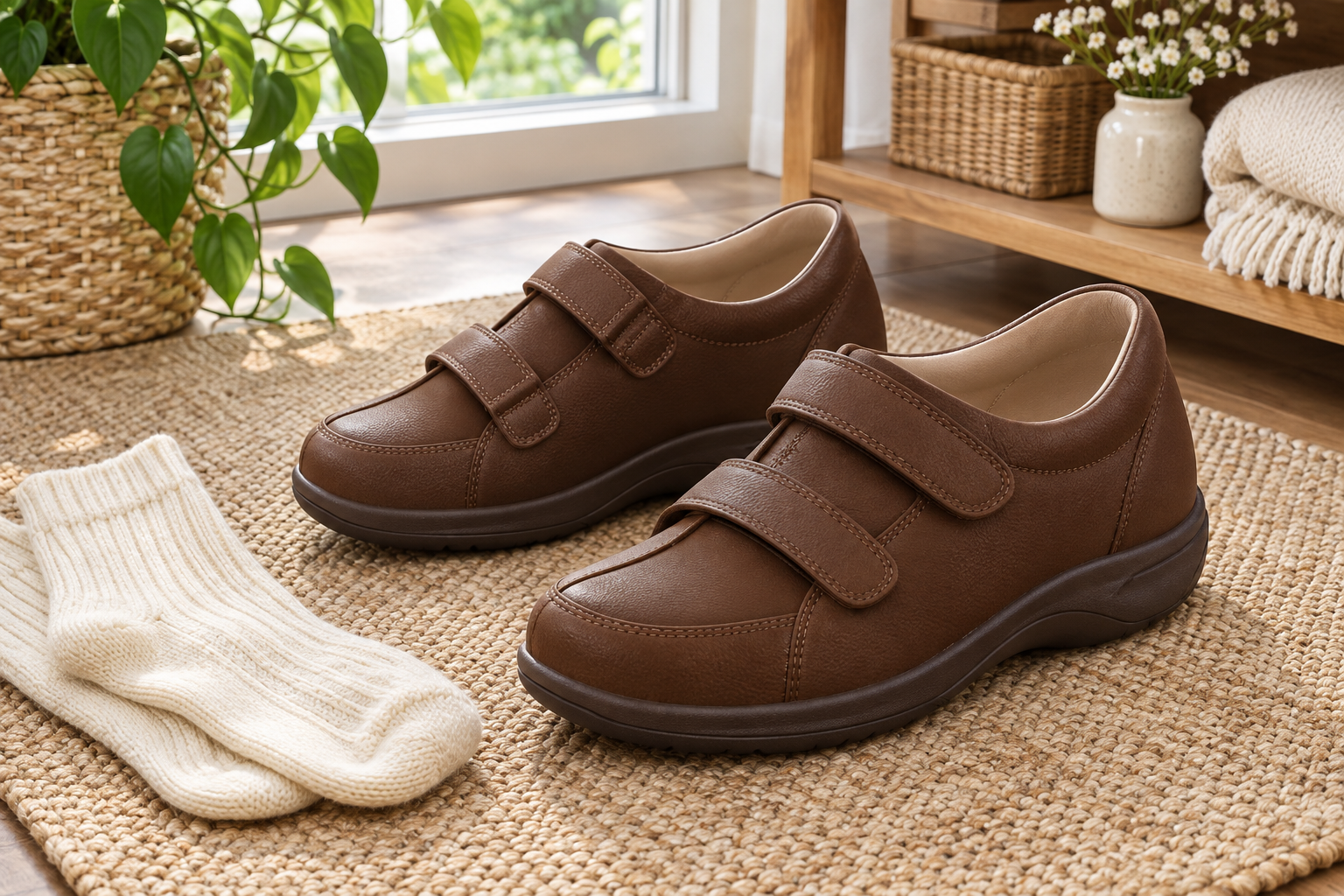
For someone who wants structured indoor footwear, the Fulton House Shoe is $120, with a cork footbed, wool lining and vegan-suede upper. It is open-backed. Removable-footbed compatibility has not been verified, so do not assume it accommodates a separate orthotic. The attraction is a warm indoor option; the drawbacks are personal sizing, heat and limited heel retention. If an orthotic must be accommodated, choose a model with explicitly documented removable depth and check it with the fitter.
A recipient who already likes sandals may appreciate a comfortable pair selected with them. The Fulton Comfort Slide is $120, but we did not establish that its straps adjust. Do not use it as an example of adjustable footwear for changing swelling. For that need, confirm adjustment on the exact alternative model and make sure the foot remains securely positioned. The benefit is easy changing; the drawbacks are less toe coverage and heel security. No slide here is a treatment for edema.
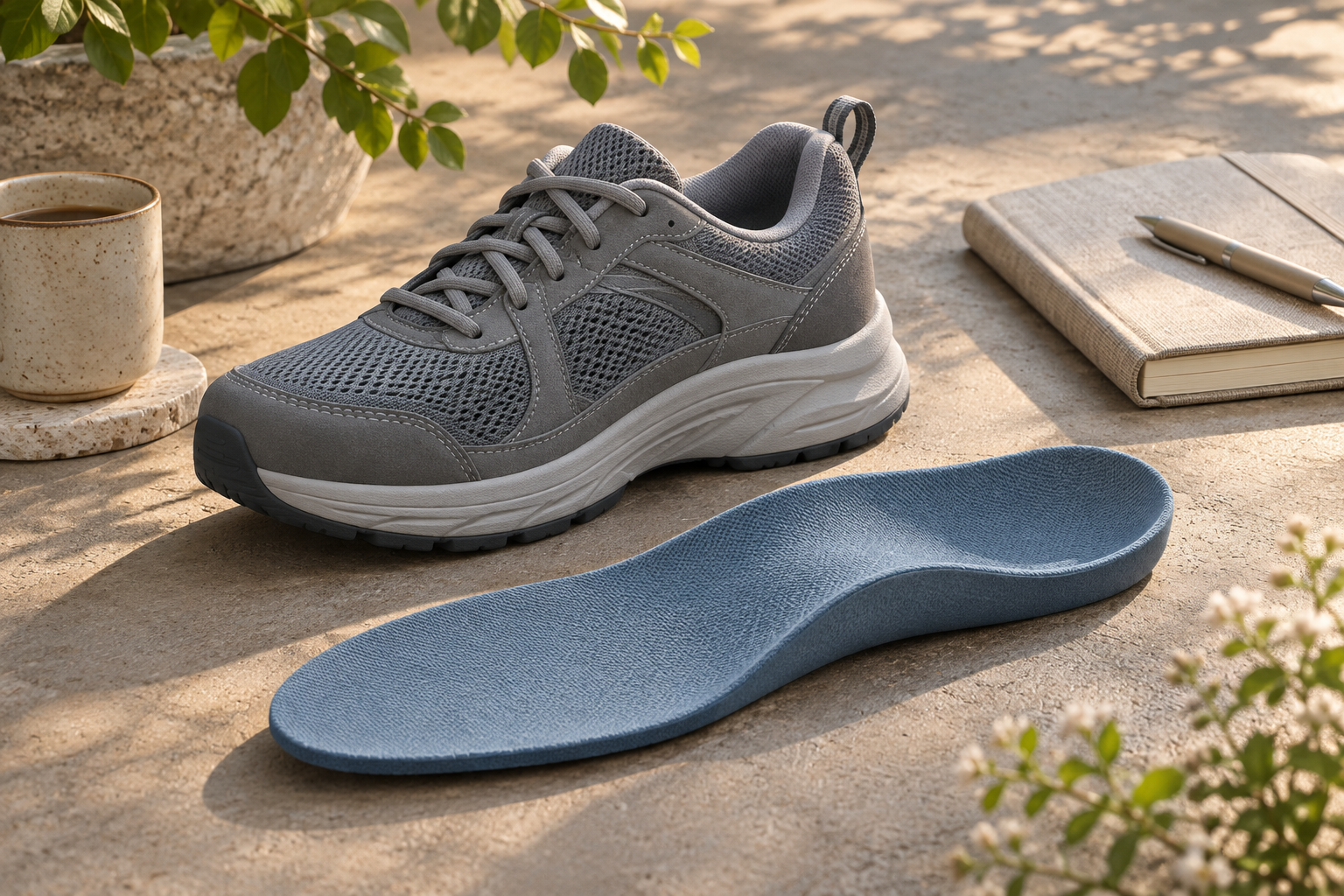
Fulton's Classic, Athletic and Universal inserts cost $48 per pair. They offer different fitting approaches: Classic for appropriate removable-liner shoes, Athletic for sports footwear and Universal for shoes without removable liners. An insert can be relevant when requested, but it also occupies space. The drawback during changing foot volume is crowding or an uncomfortable contour. Do not buy one to force a tight sneaker to remain usable. Preserve prescribed support and ask the recipient what their clinician or fitter recommends.
A wrap robe or accessible top can be useful if it matches the parent's feeding preferences, fabric choice and comfort needs. Choose from a wish list or offer flexible credit rather than guessing an exact postpartum size. The benefit is an everyday item focused on the parent. The drawback is that loose sizing still does not guarantee a suitable cut, waistband or texture. Avoid framing clothing as a way to return to a previous body size.
A lower-cost slipper can provide warmth without the price of premium house footwear. Choose an exact model with a secure fit, suitable sole and exchange option. For an under-$100 budget, verify the selected pair's current price rather than assuming all slippers qualify. The limitation is that plush lining does not establish structured arch support, and a generic 'non-slip' label is not a guarantee on every floor. Do not assume broad S/M/L sizing eliminates fit risk.
Choose a capacity and lid the parent can comfortably lift, clean and use where they rest. A straw may be convenient, but the exact bottle should suit their preferences. The advantage is keeping a drink accessible; the drawback is that a very large bottle can be heavy or awkward. Check whether they already have a favorite. Do not imply that a particular bottle or drinking schedule guarantees milk supply or recovery.
Start with a list from the parent. Familiar snacks, a gentle product they already use or a small personal item may be welcome. Medical recovery supplies should follow the care team's guidance and the person's actual birth and recovery needs. The benefit is gathering wanted items in one place; the drawback is a premade kit with unsuitable products, scents or sizes. Do not add bath, wound-care or intimate-care products as unsolicited treatment recommendations.
Offer specific help and let the parent choose whether and when to accept it. Meal delivery, groceries, laundry or a contribution toward a provider they selected can reduce tasks. For doula, overnight or other professional support, agree on scope, qualifications, availability and boundaries before booking. The drawback is that an unwanted service can create more coordination work. Keep cancellation terms and any extra costs clear; surprise access to someone's home is not a thoughtful shortcut.
An e-book, audiobook credit or compatible phone stand can fit periods when the parent is awake and resting. Check their existing subscriptions and devices first. The benefit is a small personal pleasure; the drawback is duplicate services, automatic renewals or a device they do not want. Keep cables and accessories away from the infant's sleep space, and do not position entertainment as a reason to ignore sleep or the baby's care needs.
A preferred snack, lounge item or useful household contribution can acknowledge a partner's role without displacing a gift intended for the birthing parent. Ask about the family's preferences. The advantage is recognizing shared care; the drawback is centering someone else when the mother specifically needs support. Practical help should remain help, not a symbolic gift that creates more work for the person recovering.
This is a desk-research comparison of documented construction, intended use and gifting practicality. Hands-on wear testing is pending for every named product. We did not purchase these products for this guide, measure pressure, interview recipients or conduct comparative durability tests. The order reflects the use cases described, not a clinical effectiveness score or an automatic preference for any brand.
Manufacturer descriptions are specifications or claims, not independent test results. Price snapshots exclude tax and delivery; check the exact variant and current availability before purchasing.
Start by asking what would make the coming week easier. If the answer is food, time or a particular item, follow that lead. A small wanted gift is more useful than a large basket with uncertain ingredients, sizing and returns.
For changing shoe size or existing foot concerns, let the recipient choose after discussing fit with their care team when needed. For a service, agree on details before paying. Gifts should respect privacy, feeding choices, recovery pace and the parent's right to decline.
A requested meal, preferred clothing, manageable bottle, personal entertainment or agreed help. Choose something for her actual needs.
No treatment claim is established here. Comfortable fit matters, but sudden or concerning swelling needs medical assessment.
Ask for the current preferred model and size, including width. Include exchanges and avoid assuming pre-pregnancy sizing still fits.
Only when wanted. Agree on provider, timing, costs and boundaries before arranging cleaning, massage or professional support.
A requested practical item or contribution to household tasks, while keeping the birthing parent's stated needs central.
By documented features and practicality, not clinical trials, parent interviews or hands-on tests conducted for this guide.
Unrequested sized garments, treatment products, strong scents, surprise visitors and services that create obligations. Do not buy a product to manage warning symptoms.
This review is not medical advice. Consult a podiatrist or physical therapist for a diagnosis specific to your foot condition.
Our latest news and trending topics